Australia launches gun buyback after Bondi Beach shooting
The Australian government announced a plan to purchase and destroy civilian-owned firearms after a terrorist attack left 15 people dead at a Jewish holiday gathering on Sydney’s Bondi Beach. Prime Minister Anthony Albanese says hundreds of thousands of guns will be taken off the streets under the program, which tasks states and territories to distribute payments to people who surrender their firearms. Australia already has some of the strictest gun laws and lowest homicide rates in the world. It launched a similar buyback program after a 1996 mass shooting killed 35 people in Tasmania, the country’s deadliest massacre to date. Australia estimates 650,000 firearms – both banned and legal – were surrendered as part of the effort. Other countries have instituted their own buyback programs in recent years, with mixed results. Both Canada and New Zealand saw tens of thousands of firearms surrendered, but critics said they could be a fraction of illegal weapons in the countries.
EU to loan Ukraine $105 billion, without frozen Russian assets
European leaders agreed to back a $105 billion, two-year loan for Ukraine using the EU budget – rather than frozen Russian assets – as collateral. The last-minute collapse of the asset plan exposed divisions within the bloc, with Belgium in particular warning it would undermine its credibility as an international banking hub. That concern pushed leaders toward an alternative that is likely costlier, less flexible, and dependent on taxpayer dollars – leaving the government vulnerable to domestic backlash. Still, leaders framed the agreement as a necessary step to meet Kyiv’s urgent financial needs in 2026 and support it as it negotiates peace terms.
China vs the US in Latin America
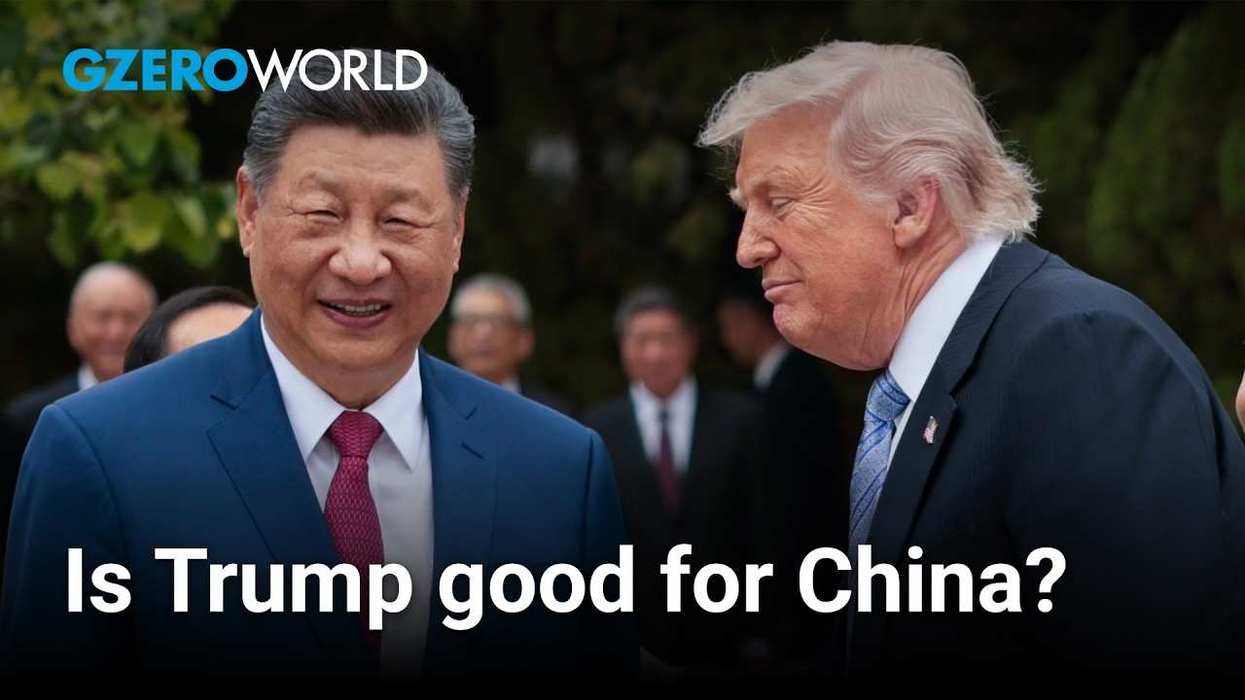
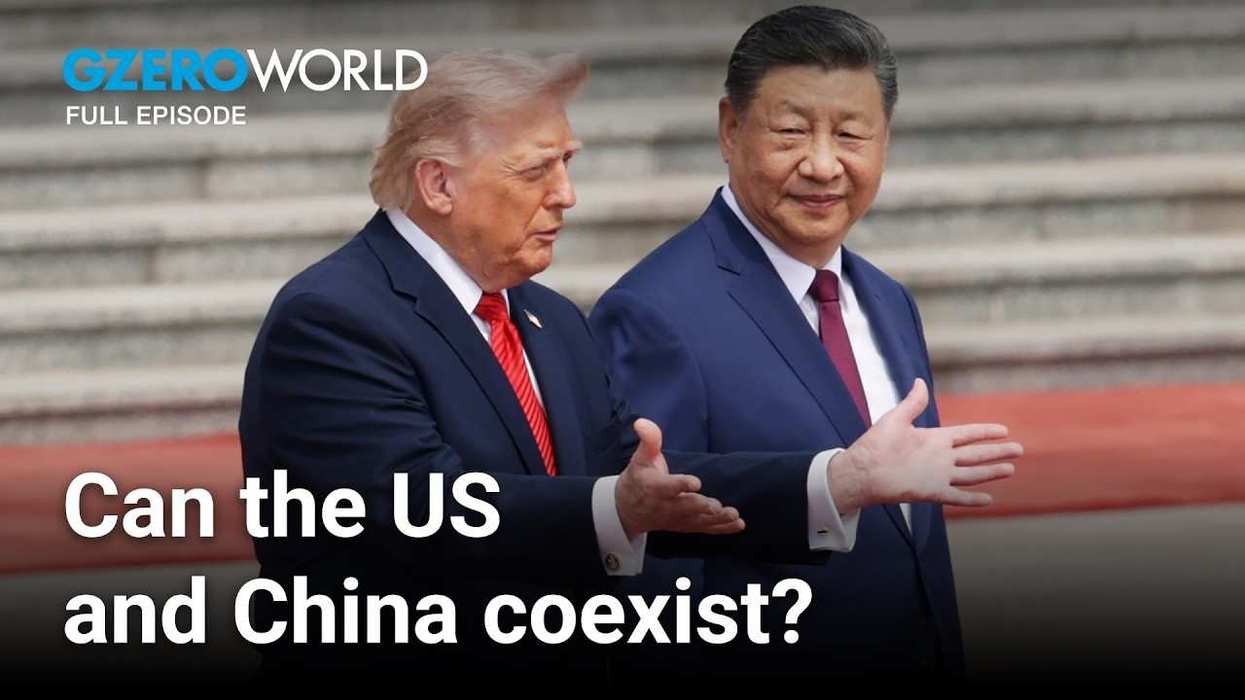
We already know how the Trump Administration views its role in Latin America: the White House’s new national security strategy, issued to much fanfare earlier this month, declared that the US rules the roost in the Western hemisphere, and pledged specifically to stamp out Chinese influence. But just days later, China quietly issued its own regional framework, the first in almost a decade. Without naming names, Beijing decries “unilateral bullying,”pledges support for free trade and investment, and styles itself as a reliable long-term development ally. China surpassed the US as the region’s largest trade and investment partner some 15 years ago. With Trump flexing muscle to roll that back, countries in the region will now find themselves in even stiffer crosswinds between the world’s two largest economies.