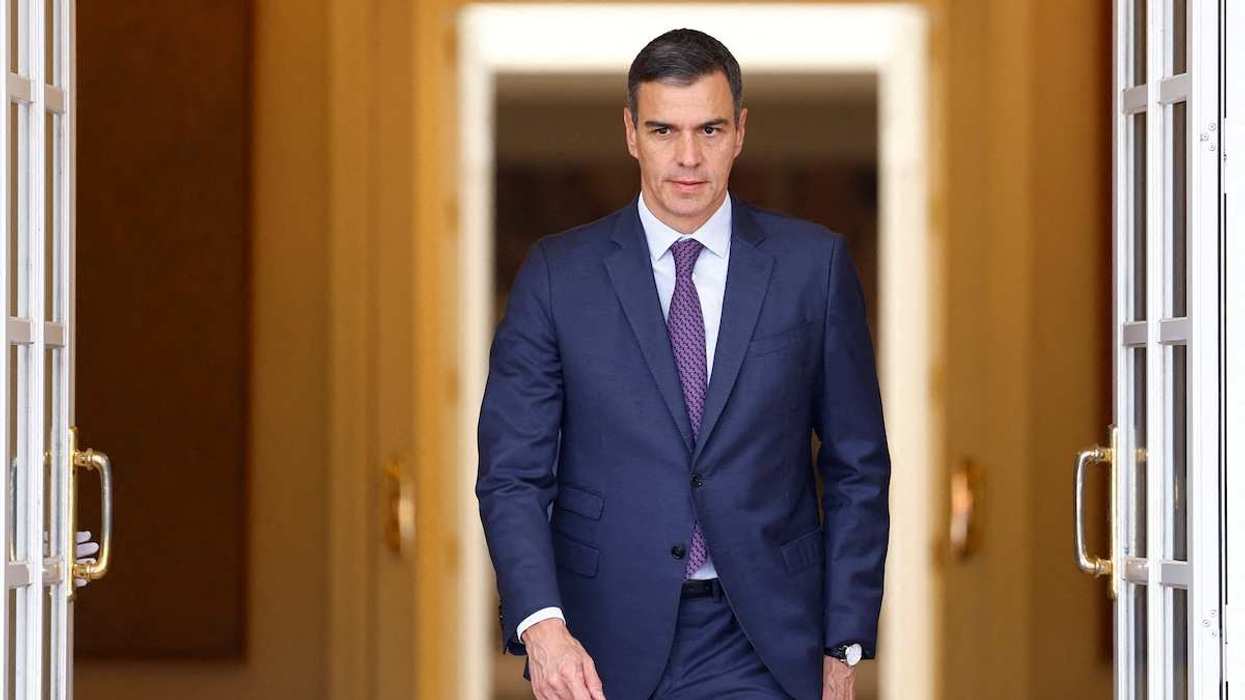
South Korea’s President Moon will meet North Korea’s Supreme Leader Kim next Friday at the southern side of the demilitarized zone between the two countries, where they’re expected to discuss an official end to the Korean War. (The 1953 armistice was essentially a ceasefire; the two countries remain technically at war.) President Trump says, “they have my blessing on that” and he revealed that he had sent CIA Director (and Secretary of State-designate) Mike Pompeo to North Korea for secret talks with Kim over Easter weekend.
First, the questions:
- Would a “peace agreement” persuade South Korea to ask the US to withdraw its 28,500 troops from the peninsula or disarm them for deployment solely as “peacekeepers?” Would Trump agree to that?
- Would an agreement between Moon and Kim eliminate the demilitarized zone?
- Would Kim agree to let North Koreans watch all the South Korean TV shows they want? Allow all North Koreans to visit South Korea? Allow South Koreans to travel anywhere they want in North Korea?
- If the answer to all these questions is “of course not, are you high?” what difference would a peace agreement make? Peace is better than war, but what would prevent Kim from tearing up such a deal anytime he wants? It’s not like North Korea has never cheated before.
Now, the suspicions:
- Kim knows an “end to the war” agreement with Moon won’t move a single US troop or a single landmine.
- He also knows his peace proposal and the US refusal to move troops can drive a wedge between the US and South Korea and allow him to cast Donald Trump as the #1 obstacle to peace. He risks nothing by playing this game.
- If his meeting with Trump ever takes place, Kim might offer to “denuclearize” in exchange for a US troop withdrawal because, even without nuclear weapons, he knows he has enough conventional military power to kill millions of South Koreans. (South Korean officials say Kim is willing to talk without such preconditions.) And he knows this threat would be more credible without thousands of American soldiers standing in the way.
The bottom line: Trump talks about this meeting as if Kim is coming to surrender. North Korea’s nuclear weapons, and the threat they pose the US mainland, will always be Kim’s best defense against US invasion. He won’t give them away unless he believes he no longer needs them. What can Trump offer that could persuade him of that?
No peace treaty, no pledge from Trump, not even a promise from China can offer Kim the peace of mind his weapons provide. Everything else is a piece of paper.