Skip to content
Search

Latest Stories

Global Stage LIVE from United Nations WATCH REPLAY

genomes

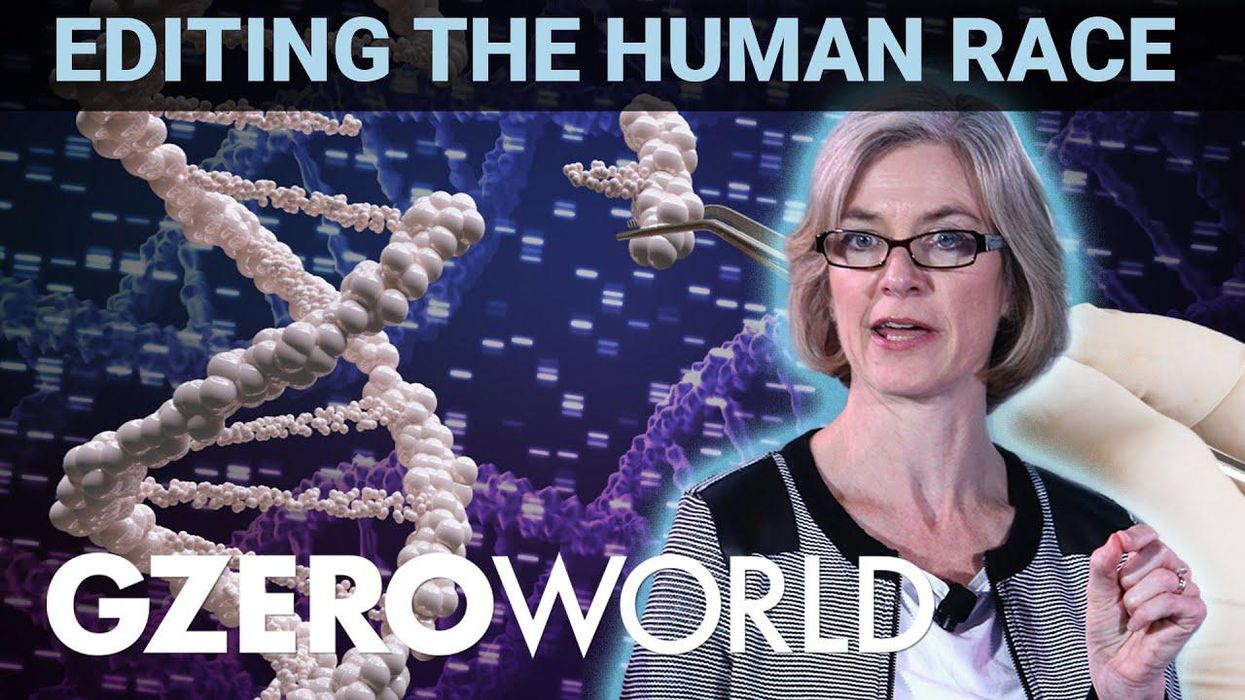
CRISPR gene editing and the human race
GZERO World with Ian Bremmer

CRISPR gene editing and the human race

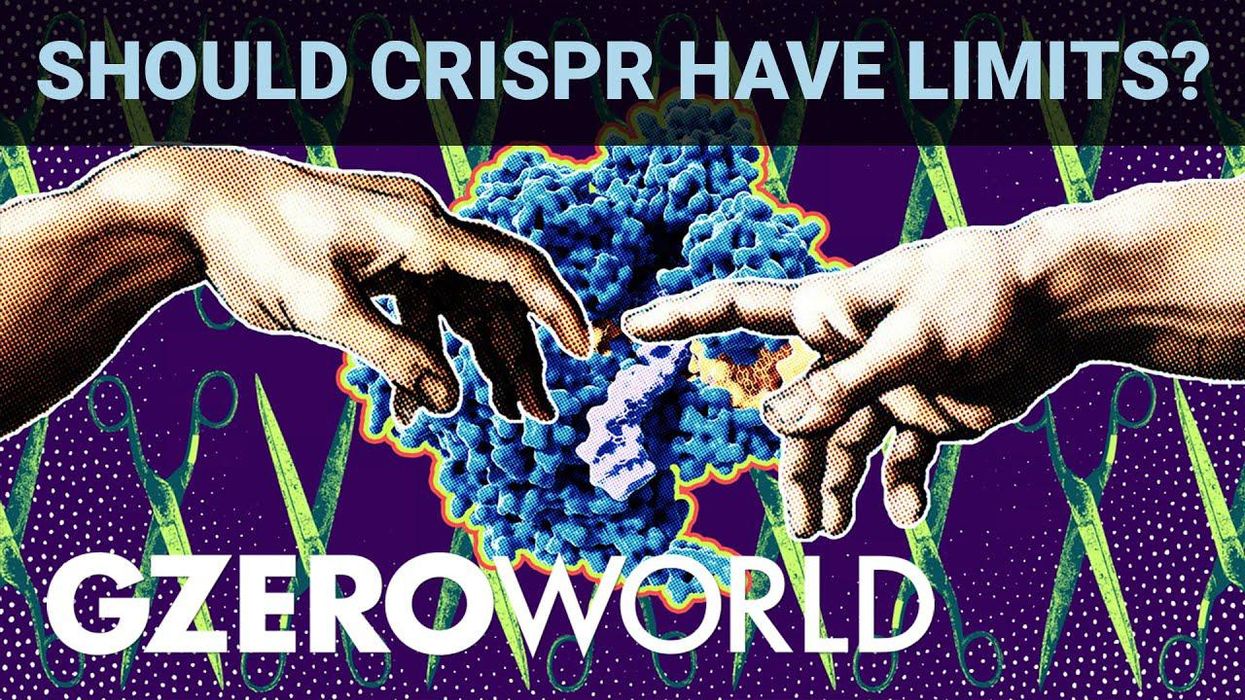
Berkeley scientist Jennifer Doudna won the 2020 Nobel Prize for her work on the revolutionary gene-editing technology known as CRISPR. It has the potential to cure genetic diseases like sickle cell anemia and hereditary blindness and may even be used to treat cancer and HIV. But when it comes to editing humanity, where do we draw the line?

CRISPR gene-editing tech should have limits, says Nobel laureate Jennifer Doudna
GZERO World Clips

CRISPR gene-editing tech should have limits, says Nobel laureate Jennifer Doudna

For Jennifer Doudna, who won the 2020 Nobel Prize in Chemistry for her work on CRISPR gene editing, there are some red lines we shouldn't cross (yet). The technology, she says, has "the potential to do incredible things and make incredible advances that will be beneficial to our society, but hand-in-hand with that go these large risks."

Can AI work for everyone? ITU’s Fred Werner on closing the global AI gap
UN General Assembly

Can AI work for everyone? ITU’s Fred Werner on closing the global AI gap

On the sidelines of the 81st United Nations General Assembly, GZERO Media’s Tony Maciulis sits down with Fred Werner of the International Telecommunication Union (ITU) to discuss the opportunities and risks shaping the next phase of artificial intelligence.