Last week, we wrote about governments that are hoping for a Trump victory. This week, we look at the other side of that question.
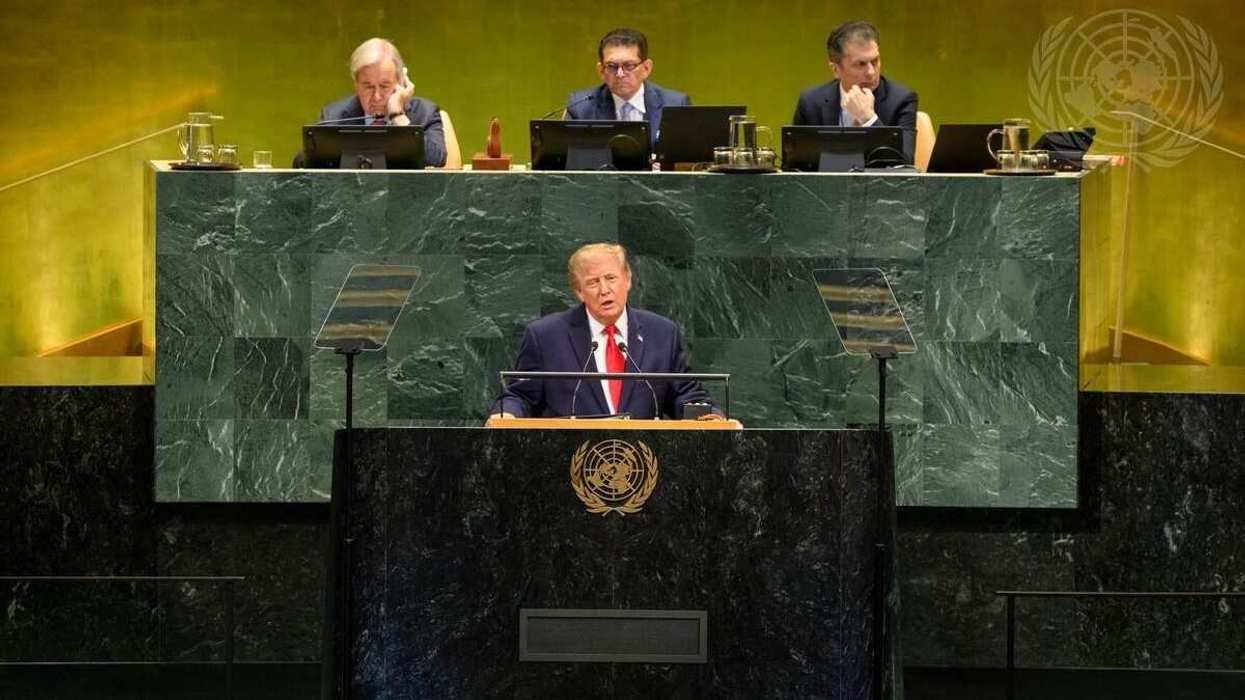
Over the past four years, many world leaders have expressed confusion and frustration over US President Trump's erratic leadership style — with some expressing a lack of trust in his administration's commitment to a constructive foreign policy.
This is reflected in global polls, which show that favorable views of the US have plummeted to all-time lows in many countries, particularly among traditional American allies in Europe.
Many nations are therefore hoping that a Biden administration would reorient the US approach to international politics, trade, and diplomatic relations. So, which countries might be rooting for the Biden-Harris ticket?
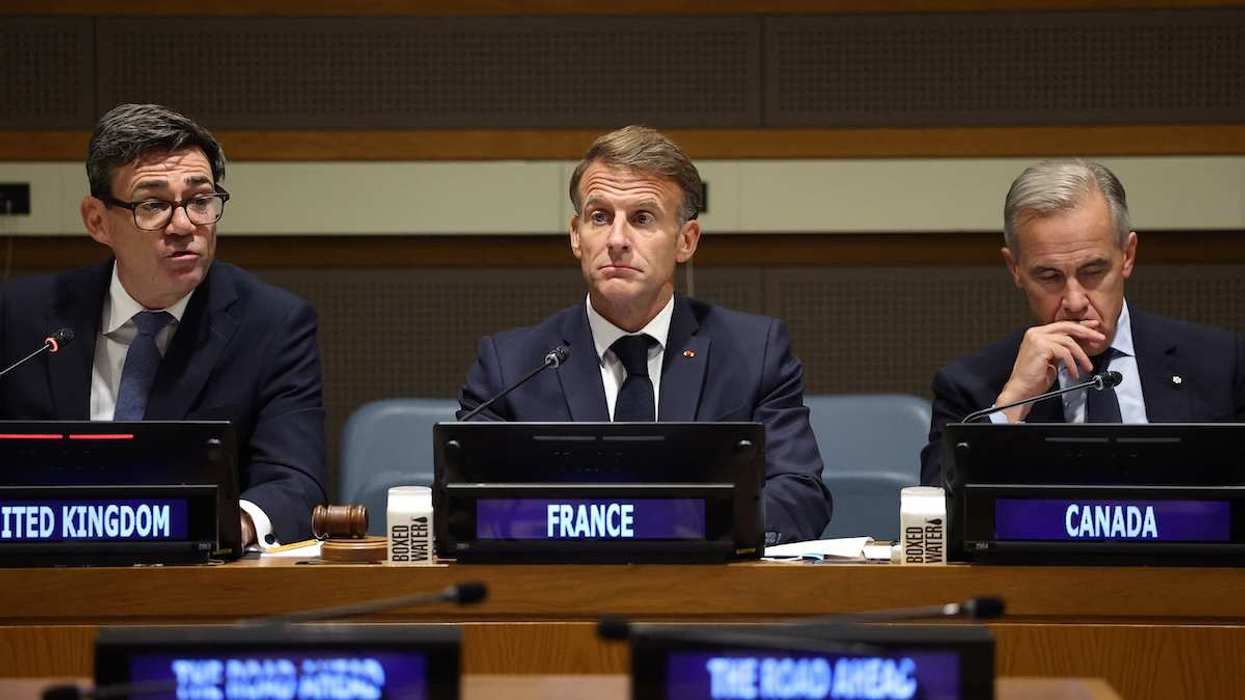
Canada. It's no secret that Canada's progressive Prime Minister Justin Trudeau and former US President Barack Obama were kindred spirits who saw eye-to-eye on issues like environmental protection, human rights and the importance of multilateral institutions for security, trade, and the fight against climate change.
Meanwhile, US-Canada relations under President Trump plummeted after Trump followed through on his pledge to withdraw from the Trans-Pacific Partnership — a 12-nation trade deal that included Canada — while also slapping tariffs on some Canadian imports.
It's an open secret, Canadian reporter Althia Raj recently told GZERO, that Prime Minister Trudeau is hoping that a President Joe Biden would allow the US and Canada to resume joint clean energy and trade cooperation initiatives (popular with many Canadians) that have been upended by President Trump. (Trade with the US accounts for a whopping 20 percent of Canada's total GDP.)
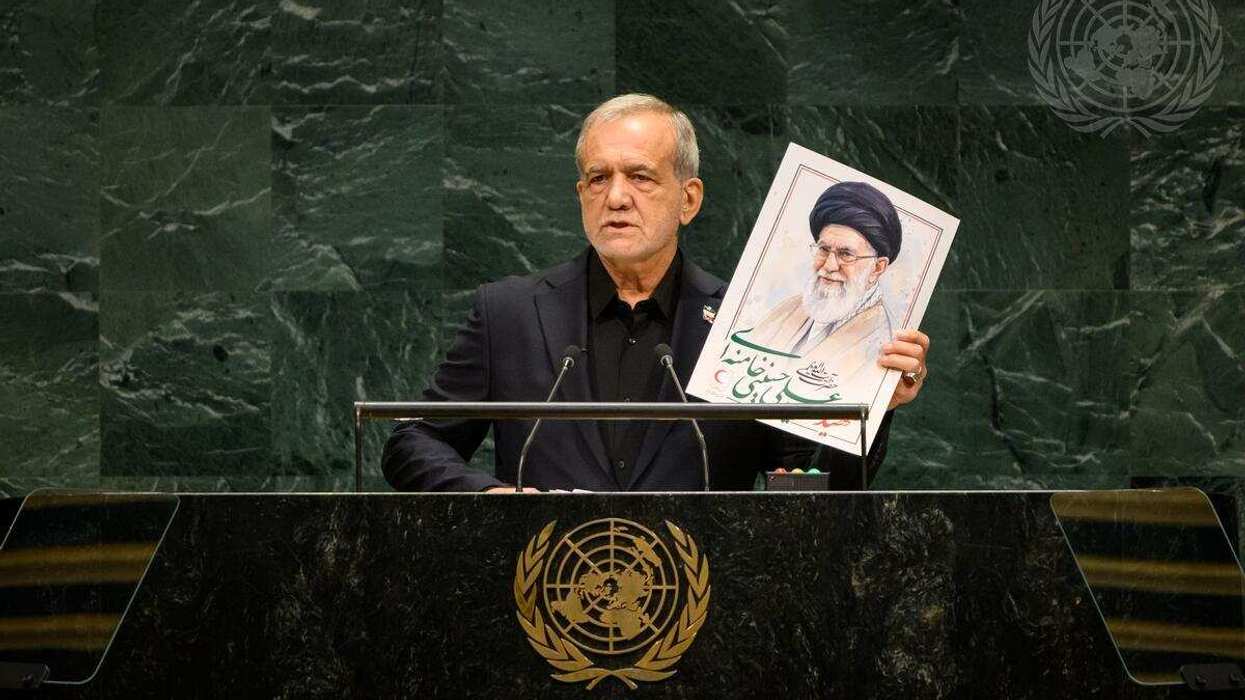
Iran. The stakes of the US election for Iran could not be higher, Iranian journalist Negar Mortazavi recently told GZERO: "I would argue that US foreign policy impacts certain populations and countries in the world even more than [it impacts] Americans themselves."
Perhaps no country has been squeezed harder by the Trump administration than Iran. In 2018, President Trump walked away from the Iran nuclear deal and swiftly imposed a "maximum pressure campaign" that has blocked Tehran from exporting crude oil and accessing global financial markets. As a result of crippling economic sanctions, the value of Iran's currency has hit record lows, while much of the middle class has been plunged into poverty.
Many Iranians are enthusiastic about the prospects of some sort of deténte should Trump lose in November, because Biden has vowed to return to a policy of engagement with Iran, which would include a return to the Iran nuclear deal, as well as lifting (some) sanctions.
Germany. Many European leaders, including Germany, remain openly fed up with President Trump's impulsive policymaking. In a recent Pew survey, only 26 percent of Germans said they have a positive view of the US, while a mere 10 percent said they had confidence in Trump's handling of international affairs.
For Chancellor Angela Merkel and her soon-to-be successor, a Biden administration would allow Germany — and Europe — to close the book on what some analysts have called the Trump administration's "withdrawal doctrine." The hope is that Biden would recommit the US to treaties abandoned by President Trump (including the Intermediate-Range Nuclear Forces Treaty and Paris climate accords), and display a renewed commitment to multilateralism as a cornerstone of US foreign policy.
China. Under President Trump, the US and China have been on a collision course that has only intensified in recent weeks. "There is an increasing worry that there could be a hot war [between the US and China] over the South China Sea, over Taiwan," Hong Kong-based journalist Wang Xiangwei recently told GZERO.
Beijing likely hopes that without President Trump's bluster, US-China relations might cool down in the near term. Indeed, from China's perspective, the prospect of military escalation would greatly diminish under a Biden presidency.
However, it's worth noting that while a President Biden might ease tensions somewhat in the near term, particularly on trade, his ability to ramp up coordination with US allies in Europe and Asia would create long-term problems for Beijing.
Want to know more about how the rest of the world sees the US election? Check out our entire project on it — interviews with local journalists in 24 different countries — here!