Skip to content
Search

Latest Stories

News

What set an FSB compound on fire?

Smoke rises near a building belonging to the border patrol section of Russia's FSB federal security service in the southern city of Rostov.

Smoke rises near a building belonging to the border patrol section of Russia's FSB federal security service in the southern city of Rostov.

Reuters

At least one person was killed and two were injured on Thursday after a fire broke out at a compound used by Russia’s Federal Security Service, known as the FSB, in the southern city of Rostov. Speculation swirled early on about the cause of the blaze – the FSB is located just 43 miles from Ukraine near the Donetsk and Luhansk regions, where heavy fighting rages.


Indeed, over the past year, state facilities inside Russia have come under attack from those opposed to the Kremlin’s conscription measures, while Ukrainian nationalists have also been accused of sabotaging Russian infrastructure – like the Nord Stream pipelines.

Russian authorities, however, have said that the Rostov blast was started by an electrical short circuit that caused stored fuel to explode. Local media reported that ammunition stored at the location had caused the fire, which has since been extinguished.

More For You

Tokyo Electric Power Company (TEPCO)'s Kashiwazaki Kariwa nuclear power plant, one of the world's largest nuclear facilities, stands along the seaside in Kashiwazaki, Niigata prefecture, Japan December 21, 2025.

Tokyo Electric Power Company (TEPCO)'s Kashiwazaki Kariwa nuclear power plant, one of the world's largest nuclear facilities, stands along the seaside in Kashiwazaki, Niigata prefecture, Japan December 21, 2025.

REUTERS/Issei Kato
54: Japan is reopening the world’s largest nuclear power plant after a regional vote gave the greenlight on Monday. The Kashiwazaki-Kariwa plant, located 136 miles outside of Tokyo, had its 54 reactors shuttered following the 2011 earthquake and tsunami that spurred the worst nuclear disaster since Chernobyl. The decision reflects Japan’s push to [...]
Pro-democracy protesters carry portraits of North Yemen's late president Ibrahim al-Hamdi.

Pro-democracy protesters carry portraits of North Yemen's late president Ibrahim al-Hamdi.

REUTERS/Khaled Abdullah
Group of Yemeni ministers announce support for UAE-backed rebel coalitionIn the latest twist to Yemen’s decade-long civil war, a group of government ministers declared support for the UAE-backed Southern Transitional Council (STC), a rebel group that broke the war’s deadlock earlier this month by seizing control of the oil-rich Handramout region. [...]
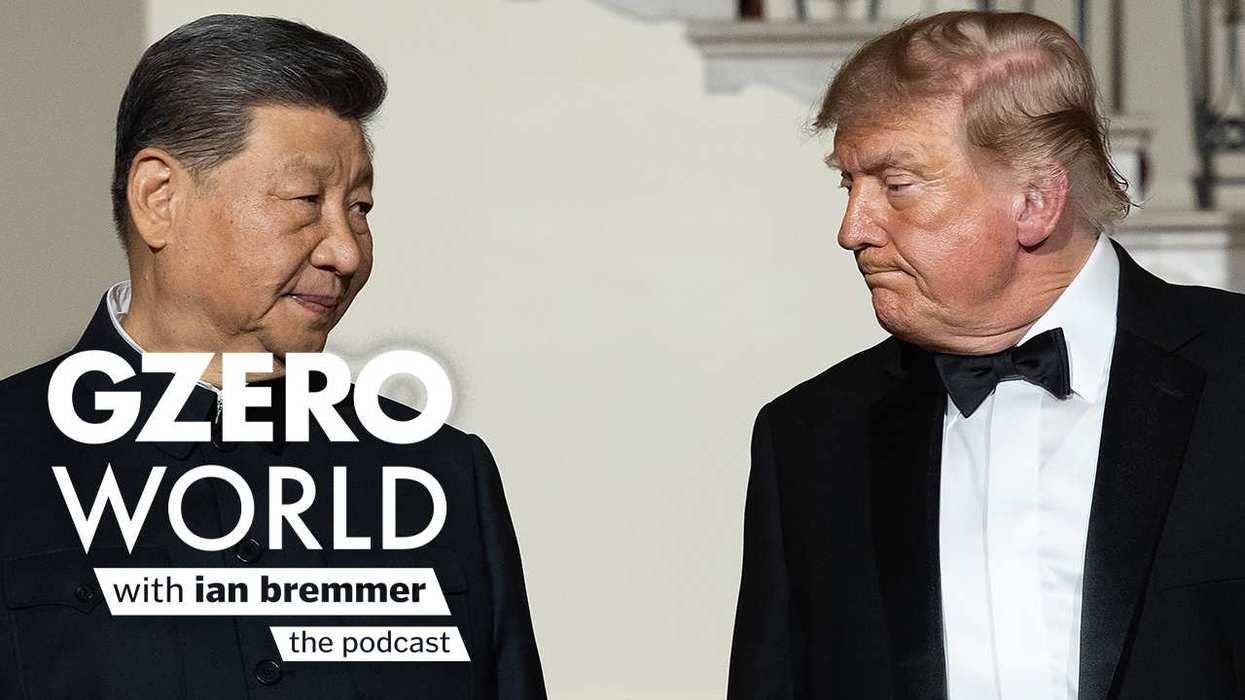
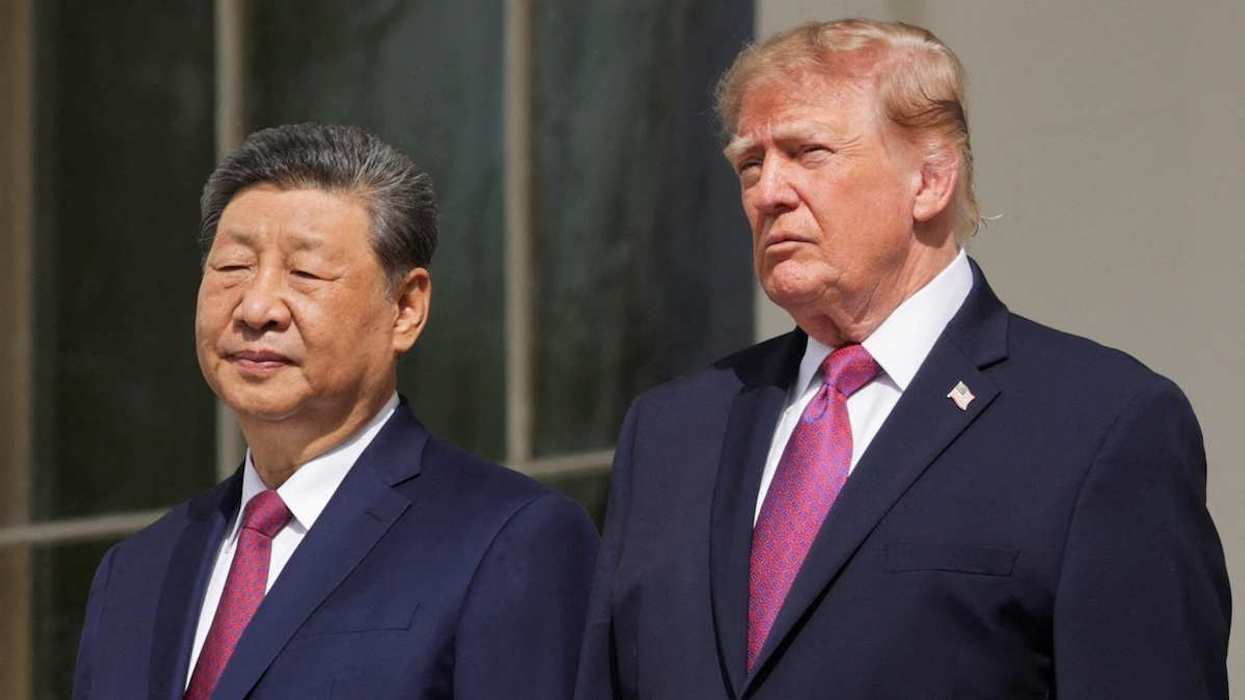
US President Donald Trump speaks with Chinese President Xi Jinping at Gimhae Air Base in Gimhae, South Korea, on October 30, 2025.

US President Donald Trump speaks with Chinese President Xi Jinping, during a bilateral meeting at Gimhae Air Base in Gimhae, South Korea, on October 30, 2025.

Yonhap News/POOL/Handout via Sipa USA
Every January, Eurasia Group, GZERO’s parent company, unveils a forecast of the top 10 geopolitical risks for the world in the year ahead, authored by EG President Ian Bremmer and EG Chairman Cliff Kupchan. The 2026 report drops on Monday, January 5.Before looking forward, though, it’s worth looking back. Here’s how the 2025 Top Risks report [...]
US President Donald Trump announces tariffs on US trading partners at the White House in Washington, DC, USA, on April 2, 2025.

US President Donald Trump arrives to announce reciprocal tariffs against US trading partners in the Rose Garden of the White House in Washington, DC, USA, on April 2, 2025.

POOL via CNP/INSTARimages.com
As GZERO readers will be all too aware, 2025 has been a hefty year for geopolitics. US President Donald Trump’s return to office has rocked global alliances, conflicts have raged from Khartoum to Kashmir, and new powers – both tangible and technological – have emerged.To put a bow on the year, GZERO highlights the biggest geopolitics stories of 2025. [...]