GZERO World Clips
Josh Shapiro on how Democrats can learn to love AI
Can Democrats embrace AI without giving tech companies free rein? Josh Shapiro argues innovation and regulation must go hand in hand.
The World Cup is the world's biggest sporting event, and one of its most political. Simon Kuper explains what the tournament reveals about power, identity, and the state of the world.
As Democrats search for a path forward after 2024, Pennsylvania Governor Josh Shapiro argues that voters aren't looking for more political rhetoric - they're looking for results.
What can Democrats learn from winning in America's ultimate swing state? On the latest episode of the GZERO World podcast, Ian Bremmer sits down with Pennsylvania Governor Josh Shapiro to discuss the future of the Democratic Party, the growing crisis of trust in American institutions, and the biggest challenges facing the country at home and abroad.
The conversation spans a wide range of issues: the future of North American trade and USMCA, the economic impact of tariffs, the war in Iran, changing US policy toward Israel, and the challenge of regulating artificial intelligence without stifling innovation. Shapiro also explains why he believes government must play a more active role in overseeing emerging technologies and protecting the public from the risks posed by AI.
Throughout the discussion, Shapiro returns to a theme that has defined his time as governor: trust is earned through results. Whether the issue is economic opportunity, public safety, education, healthcare, or foreign policy, he argues that voters want leaders who can solve problems and improve people's lives.
As speculation continues about the next generation of Democratic leadership, Shapiro offers a window into how one of the party's most closely watched figures thinks Democrats can win again, and what government must do to earn back the public's trust.
Did the AI boom counteract the economic fallout of Trump's tariffs? And how long can that last?
What is the biggest geopolitical tail risk today? At the 2026 US-Canada Summit, hosted by Eurasia Group and RBC in Toronto, Ian Bremmer assesses the geopolitical risks shaping an increasingly volatile global landscape.
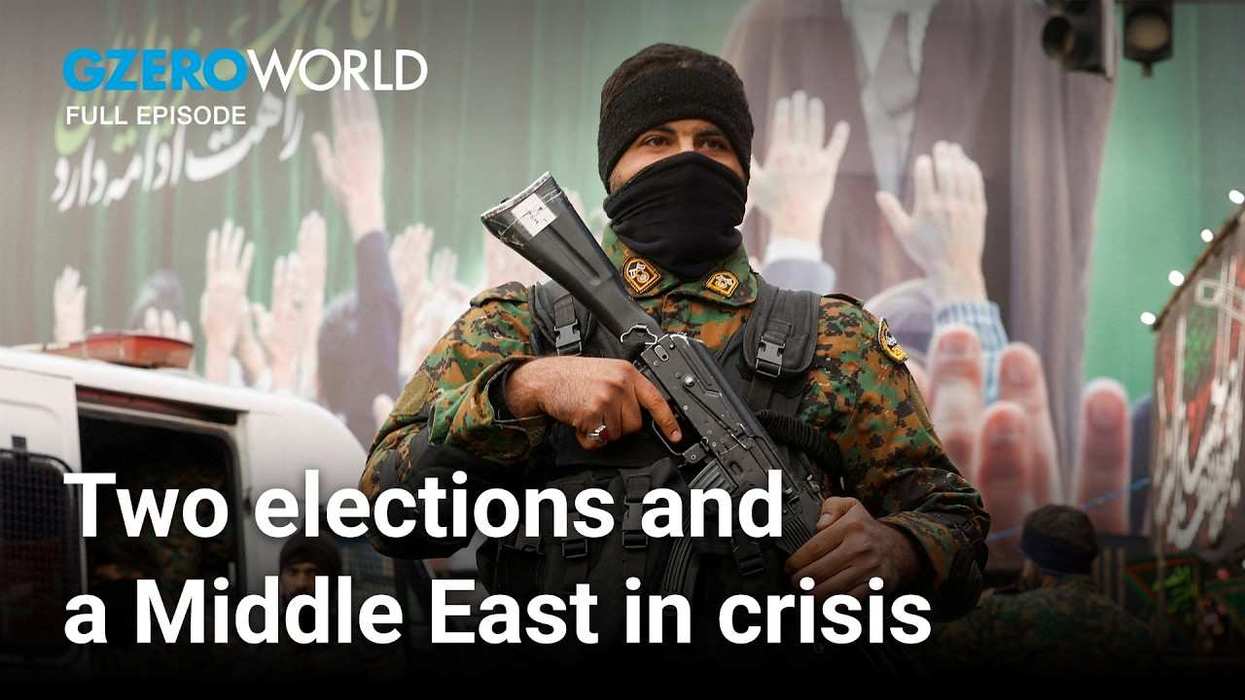
The interim agreement to end the war, signed by both sides on Wednesday, appears to tilt toward Iran. But the regime remains vulnerable.
On June 14, the US and Iran announced a deal to end the war. A signing ceremony is set for Friday. The terms include an immediate ceasefire on all fronts. With both sides spinning the deal as a victory, there are plenty of ways for this to go wrong.

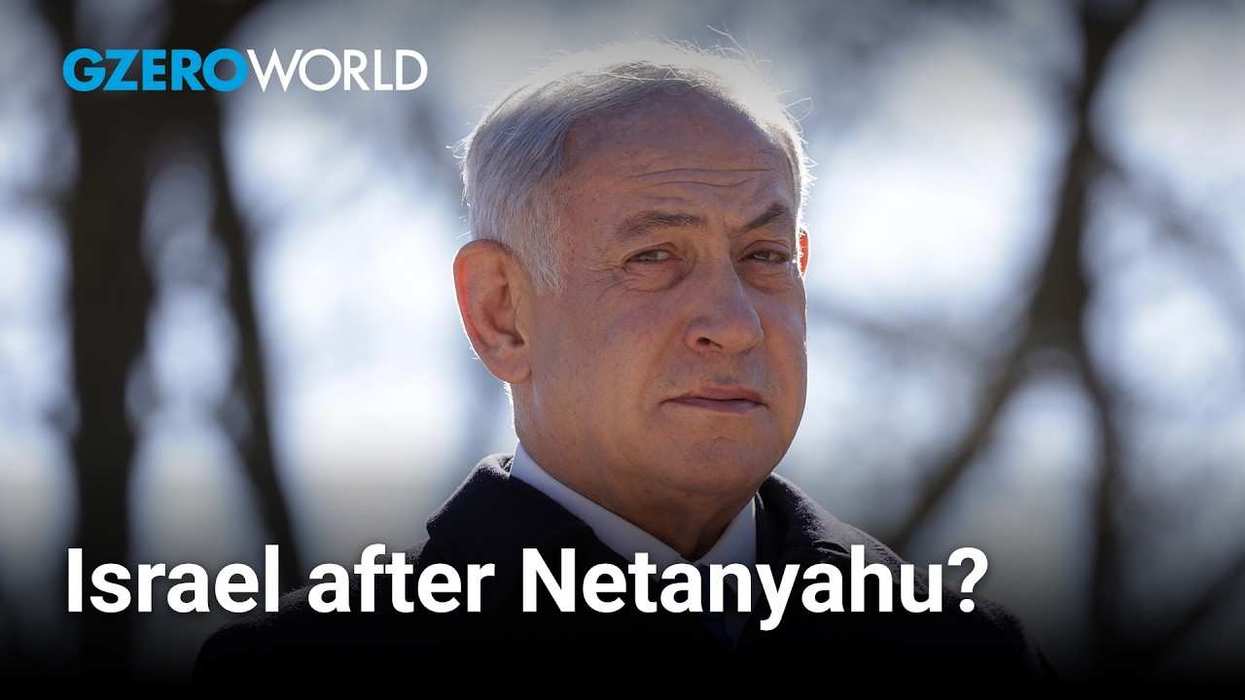
Israel’s Prime Minister Benjamin Netanyahu attends a ceremony commemorating Israel’s Remembrance Day for fallen soldiers, or Yom HaZikaron, at the Military Cemetery on Mount Herzl in Jerusalem, on April 21, 2026.
The United States and Iran seem to be moving closer to a deal to end the war, which could hurt Israeli Prime Minister Benjamin Netanyahu’s reelection hopes.
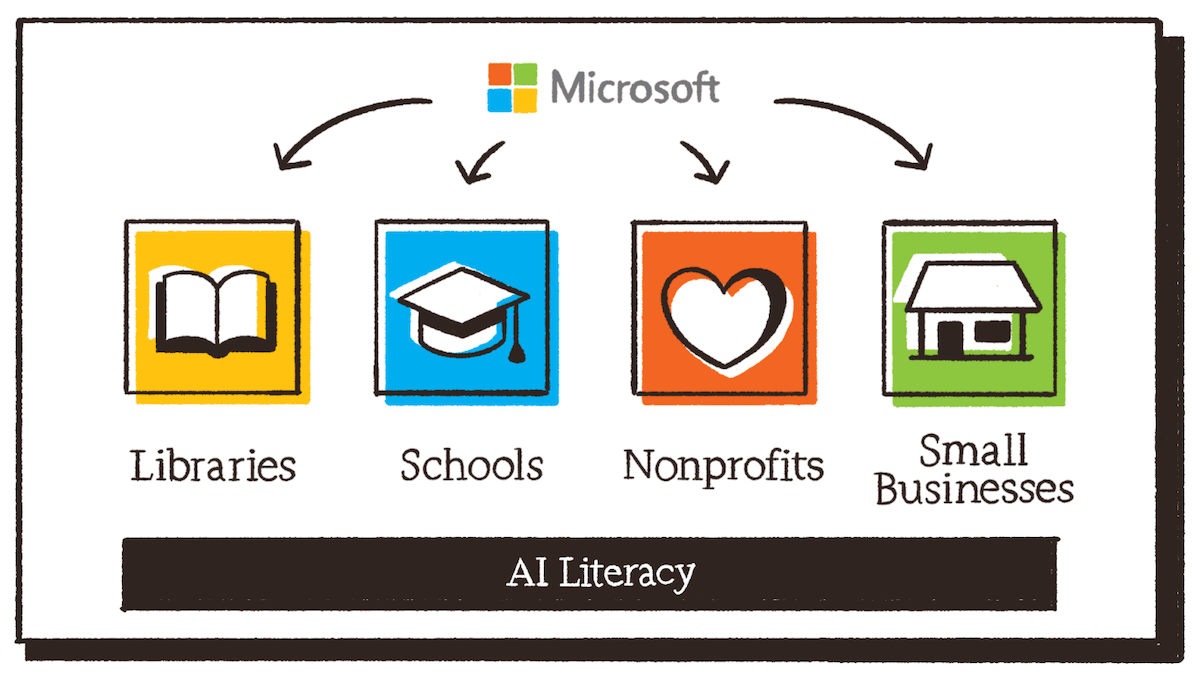
As governments and businesses accelerate AI adoption, concerns around energy and water demand are intensifying. Microsoft leaders Melanie Nakagawa and Juan Lavista Ferres highlight new research showing that advancements in AI models, datacenter operations, and hardware could improve energy efficiency by 8–20x.
The findings suggest that, at scale, AI systems can become significantly more efficient than previously understood—enabling continued growth while reducing the resources required to support it and reinforcing a more sustainable path for AI expansion.
Read the full blog here.
GZERO Media is a company dedicated to providing the public with intelligent and engaging coverage of global affairs. It was created in 2017 as a subsidiary of Eurasia Group, the world's leading political risk analysis firm.
Interest in global affairs is soaring these days, and yet traditional sources of insight are either too politicized, too polarizing, or too boring.
We believe there's a better way to help people understand the forces that are reshaping their world. By delivering deep insight with a light touch. By taking a global view. By pushing beyond predictable opinions and formats to inform, engage, challenge, and entertain.
Our approach is at once journalistic, analytical, and creative. We not only explain the most important stories in the world today — we tease out the critical connections between them, so you can be smart about what comes next.
Whether you get the daily dish on global affairs from our GZERO Daily newsletter, see global leaders in a different light on GZERO World with Ian Bremmer, or get your fix of laughter and outrage from our political satire show PUPPET REGIME, we hope that you come away with a broader and deeper understanding of the world.
For decades, a small number of leading countries regularly came together – in formats like the Group of Seven (G7) or the wider Group of 20 (G20) – to seek collective solutions to the world's most pressing challenges. What's more, the United States used its power, for better or worse, as a kind of "G1" to underwrite global norms of global commerce, finance, and security.
Today, that order is slipping away. No single power or group of powers is willing or able to set a global agenda. It's a world of many pretenders, but no leaders. Welcome to the GZERO.

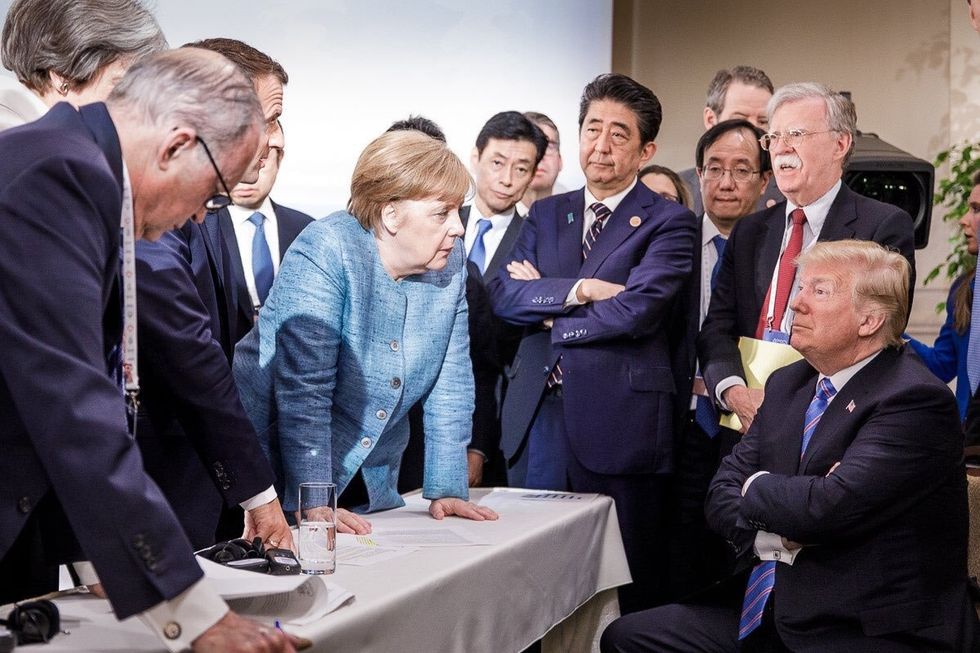
President Donald Trump seated surrounded by foreign leaders including Germany's Angela Merkel, Japan's Shinzo Abe and France's Emmanuel Macron
Getty Images

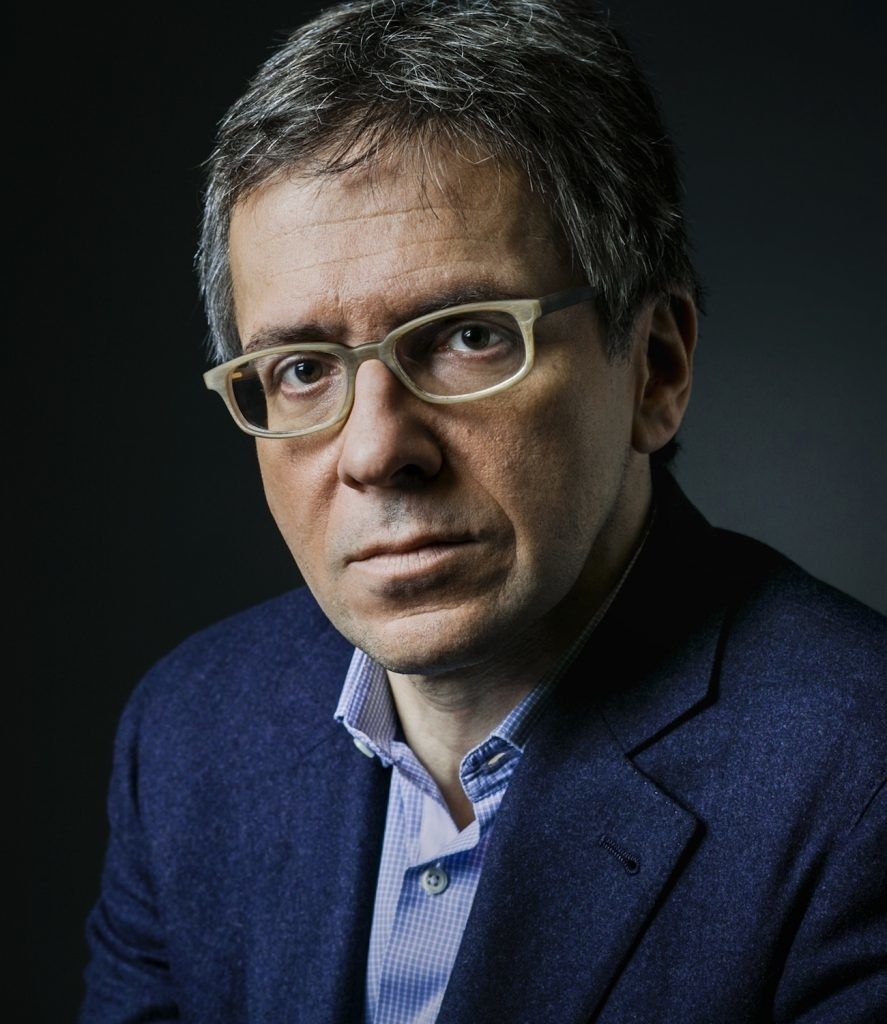
Ian Bremmer is President and Founder of GZERO Media. He hosts the weekly digital and broadcast show, GZERO World with Ian Bremmer, where he explains the key global stories of the moment, sits down for an in-depth conversation with the newsmakers and thought leaders shaping our world, and takes your questions.
Ian is also the President and Founder of GZERO Media's parent company, Eurasia Group, the leading global political risk research and consulting firm. Ian is a New York Times bestselling author of eleven books including "Us vs Them: The Failure of Globalism," "Every Nation for Itself: Winners and Losers in a G-Zero World," "The End of the Free Market: Who Wins the War Between States and Corporations?" and "Superpower: Three Choices for America's Role in the World." His latest book, "The Power of Crisis," draws lessons from global challenges of the past 100 years—including the pandemic—to show how we can respond to three great crises unfolding over the next decade.
Ian earned a master's degree and a doctorate in political science from Stanford University, where he went on to become the youngest-ever national fellow at the Hoover Institution. Although he might not admit it, Ian's secretly jealous of his puppet's interviews with the world's most powerful leaders.
Justin Kosslyn is Interim Publisher at GZERO Media and a Special Advisor at Eurasia Group. Previously, he was the Director of Product Management for Google's News Ecosystem, overseeing products such as Google Trends, Search Console, Reader Revenue Manager, Site Kit, Pinpoint, and R&D efforts in Generative AI.
Before that, Justin was Head of Digital Products at TED, the organization behind TED Talks. He also spent a decade at Google Jigsaw, where he led teams developing software tools to enhance digital and information security. His work included managing Google's warnings for government-backed cyberattack targets and developing ClaimReview, a fact-checking tool now widely used across major tech platforms.
Justin graduated from Yale University with a BS in Computer Science. He lives in New York with his wife and two children.

From Davos and the Munich Security Forum to the UN General Assembly, our livestream discussions convene heads of state, business leaders, technology experts from around the world for critical debate about the geopolitical and technology trends shaping our world.
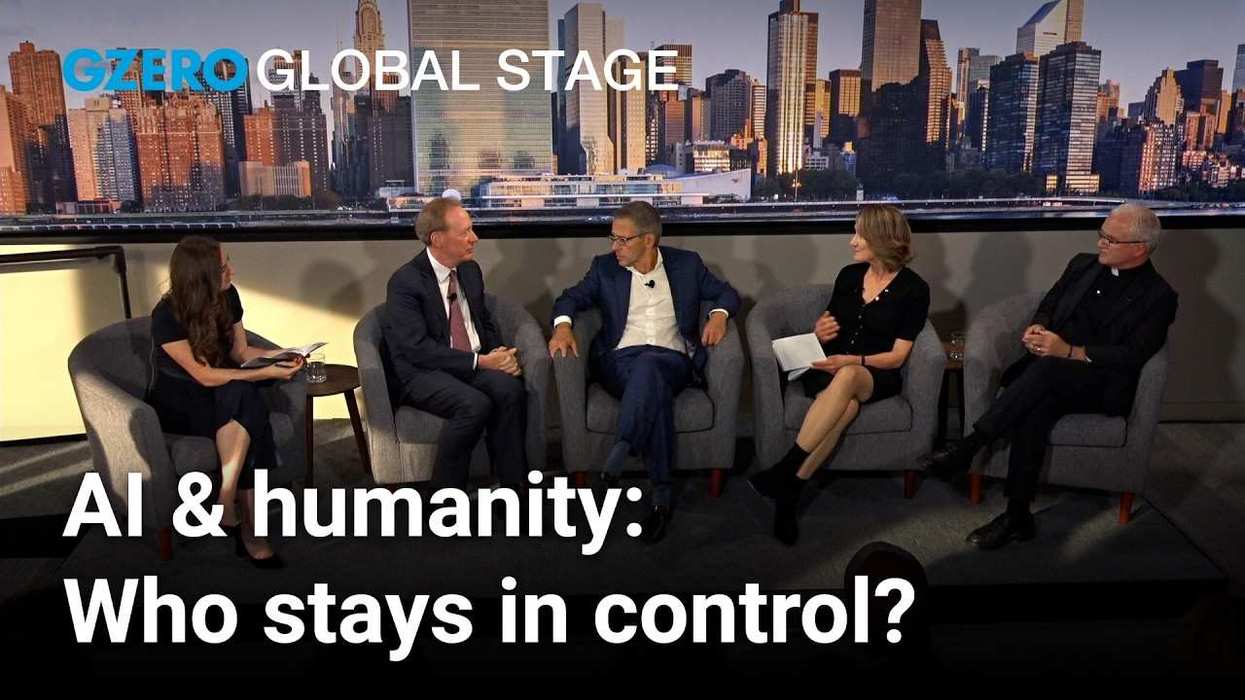
AI is moving fast, but not everyone is moving with it. Inside the UN, global leaders debate how to close the widening AI divide.
Artificial intelligence isn’t just about innovation. It’s about access, infrastructure, and whether the benefits of a transformative technology will be shared or concentrated.
Keep up with what’s going on around the world - and why it matters.