Skip to content
Search

Latest Stories

Sponsored posts

Microsoft will be carbon negative by 2030

Microsoft will be carbon negative by 2030

The scientific consensus is clear. The world confronts an urgent carbon problem. The world's climate experts agree that the world must take urgent action to bring down emissions. Ultimately, we must reach "net zero" emissions, meaning that humanity must remove as much carbon as it emits each year.

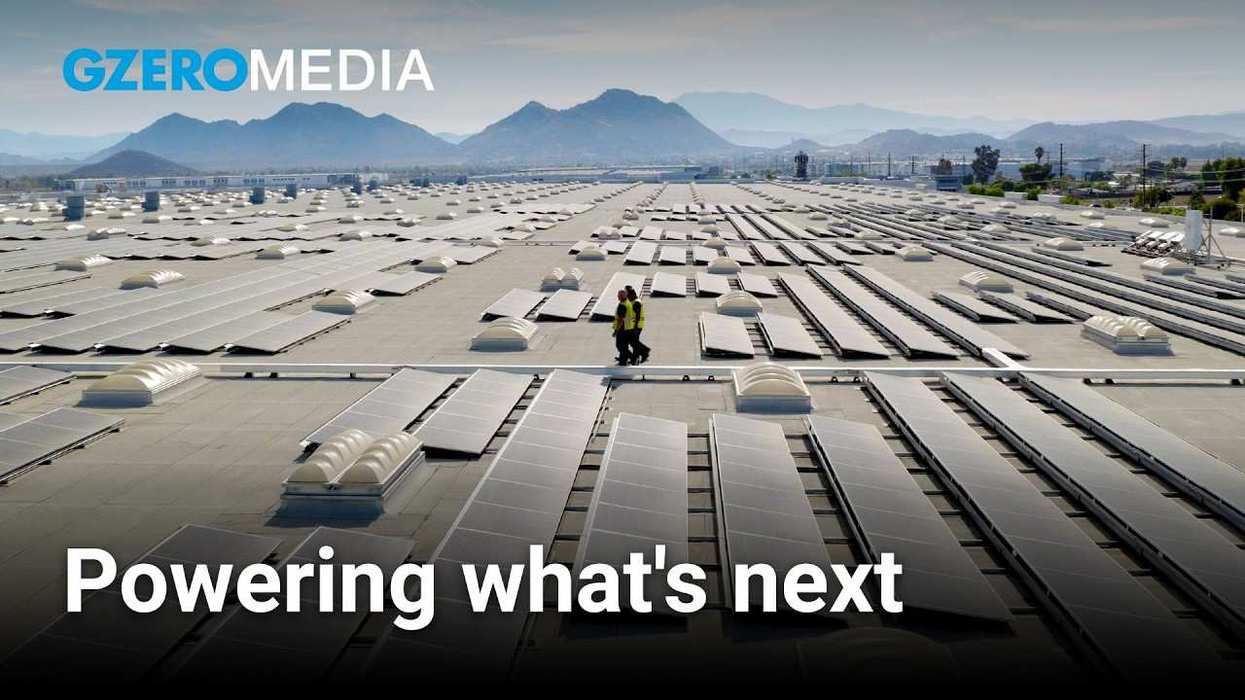
While the world will need to reach net zero, those of us who can afford to move faster and go further should do so. That's why last week we announced an ambitious goal and a new plan to reduce and ultimately remove Microsoft's carbon footprint. By 2030 Microsoft will be carbon negative, and by 2050 Microsoft will remove from the environment all the carbon the company has emitted either directly or by electrical consumption since it was founded in 1975. We are also launching an initiative to use Microsoft technology to help our suppliers and customers around the world reduce their own carbon footprints and a new $1 billion climate innovation fund to accelerate the global development of carbon reduction, capture, and removal technologies.

Read more on the Official Microsoft Blog.

More For You

Women drove nearly 3x more job growth than men last year — but the story doesn’t end there. Wage momentum is slowing, and spending patterns are shifting. What does that mean for the broader economy?Explore the latest insights from Bank of America Institute. [...]
Cyber threats to water and wastewater systems are no longer hypothetical, and they pose real risks to public health, economic stability, and community trust. In collaboration with the Cyber Readiness Institute (CRI) and the Center on Cyber Technology and Innovation (CCTI), Microsoft released new findings showing that cybersecurity training alone [...]
Younger millennials have seen the monthly auto loan payments jump nearly 60% since 2019, and the EV demand has cooled. What does it mean for the road ahead? Get the full analysis from Bank of America Institute and subscribe for more economic insights. [...]
Microsoft, Europol, and industry partners took coordinated action to disrupt Tycoon 2FA, a major phishing‑as‑a‑service operation designed to bypass multifactor authentication. Active since 2023, the service fueled large‑scale online impersonation, enabling fraud, data theft, and disruptions across sectors, including healthcare and education. [...]