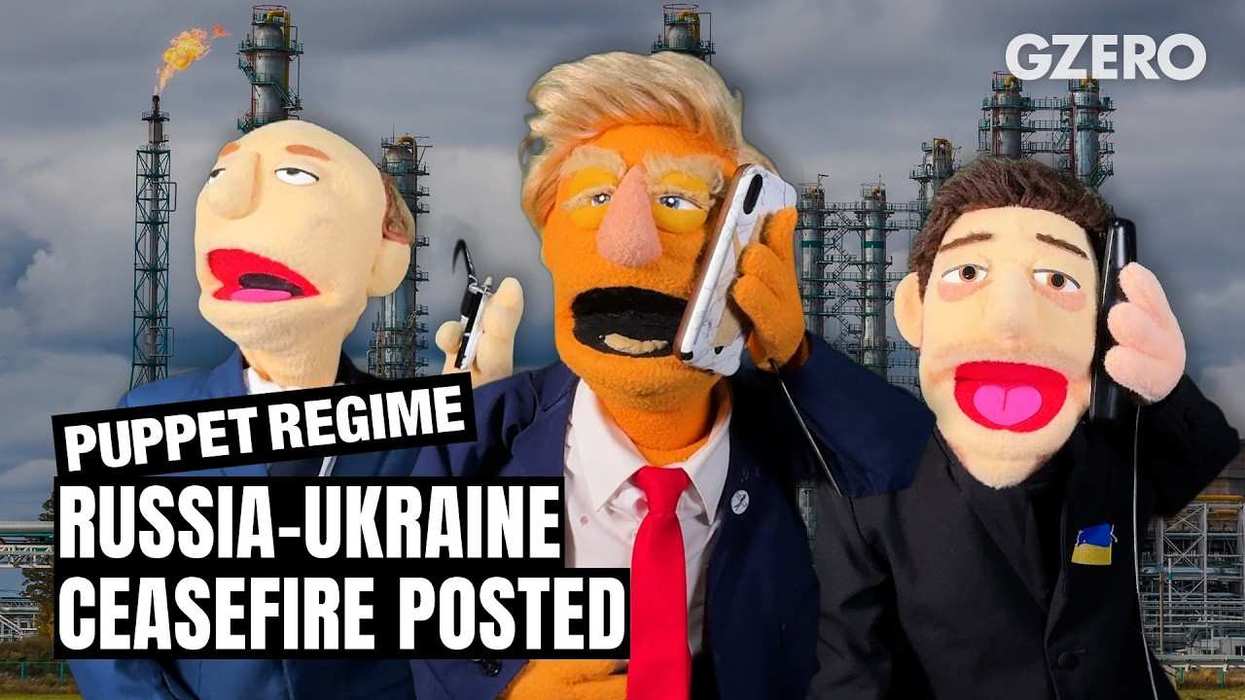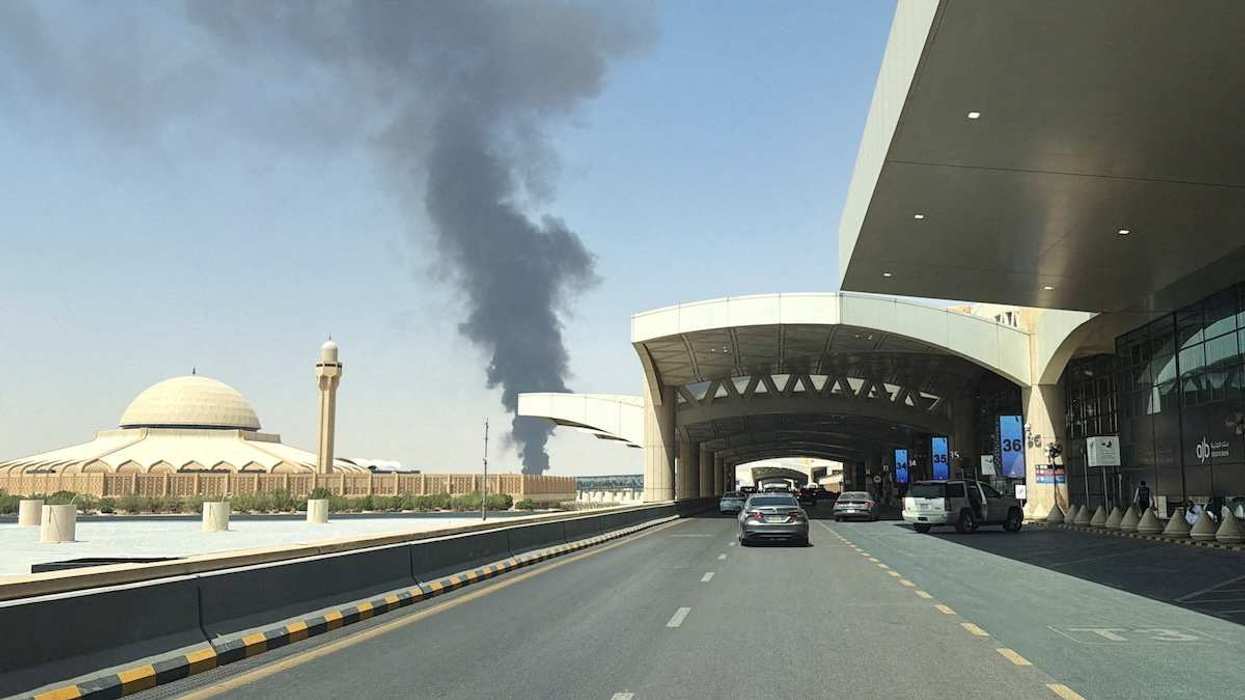
In the first high-level contact between the two sides since Vladimir Putin’s full-scale invasion of Ukraine in February 2022, the US and Russia met in Saudi Arabia Tuesday to hash out plans to end the Ukraine war and reestablish bilateral ties.
The Trump administration wants to end the war swiftly as part of a broader reset with Russia and a possible shakeup of NATO. Moscow seeks, at a minimum, Ukraine’s explicit neutrality and disarmament, but also a broader US-Russia compact on global issues which would include relief from the current, extensive list of US and European sanctions.
Nothing concrete was agreed on key issues, such as where to draw the armistice lines, how to police them so that the conflict doesn’t start again, what post-war Ukraine looks like politically, or what’s in store for US-Russia relations more broadly.
But the two sides laid "the groundwork” for further talks, and pledged to reappoint ambassadors to each other and resupply embassy staffing.
"It’s more important for the messages it sent than the actual results," says Alex Brideau, Russia director at Eurasia Group. "It says that Trump is OK with the US talking to Russia on equal footing, something Putin has sought for years."
Who was there? A US delegation led by Secretary of State Marco Rubio and a Russian one led by his counterpart Sergey Lavrov.
Who wasn’t? Ukrainian President Volodymyr Zelensky, who called the meeting a “surprise.” Zelensky met on Tuesday with Turkish president Recep Tayyip Erdoğan, whose own attempts to mediate the conflict are now also in doubt.
Who also wasn’t there: The Europeans, who have so far been cut out of the Trump administration’s Ukraine diplomacy, which began in earnest last week with a lengthy phone call between Putin and Donald Trump and continued with US Defense Secretary Pete Hegseth’s suggestion that NATO membership and a full return to pre-2014 borders are unrealistic objectives for Ukraine in peace talks.
"The signal is that US and Russia will continue to sideline the Ukrainians and Europeans from their discussions," says Brideau, "even though they could bear the brunt of any deal that Trump and Putin reach."
Meanwhile, Trump and Zelensky clashed. Trump on Tuesday told reporters incorrectly that Ukraine had launched the conflict and he demanded a new election there, claiming Zelensky had a 4% approval rating. Moscow has long sought to replace Zelensky as part of any settlement to the conflict. The Ukrainian president, whose approval is actually nearly 60%, shot back that the US president is "living in a disinformation bubble."