GZERO was on the ground at UN headquarters in Manhattan all last week as the General Assembly discussed the most pressing issues affecting the world. It was quite a whirlwind, but here are the broad strokes of what went down:
- Israel expresses defiance. Israeli Prime Minister Benjamin Netanyahu gave an intense speech on Friday defending his country’s military campaigns in Gaza and Lebanon. His remarks came the day after Palestinian Authority leader Mahmoud Abbas condemned Israel for “launching wars of genocide” and Lebanese Foreign Minister Abdallah Bouhabib called on Tel Aviv to halt its strikes on his country. Efforts to forge a Lebanon cease-fire on the sidelines of the UNGA came to naught.
- Ukraine presents a “victory plan.” Ukraine’s President Volodymyr Zelensky came to New York with a very different attitude toward his country’s conflict. He asked his allies to give him the weapons — and the permissions — he needed to inflict damage deep behind Russian lines. US President Joe Biden used his speech to urge Ukraine’s allies to continue their support, asking those whose enthusiasm is flagging, “Will we walk away and let a nation be destroyed?”
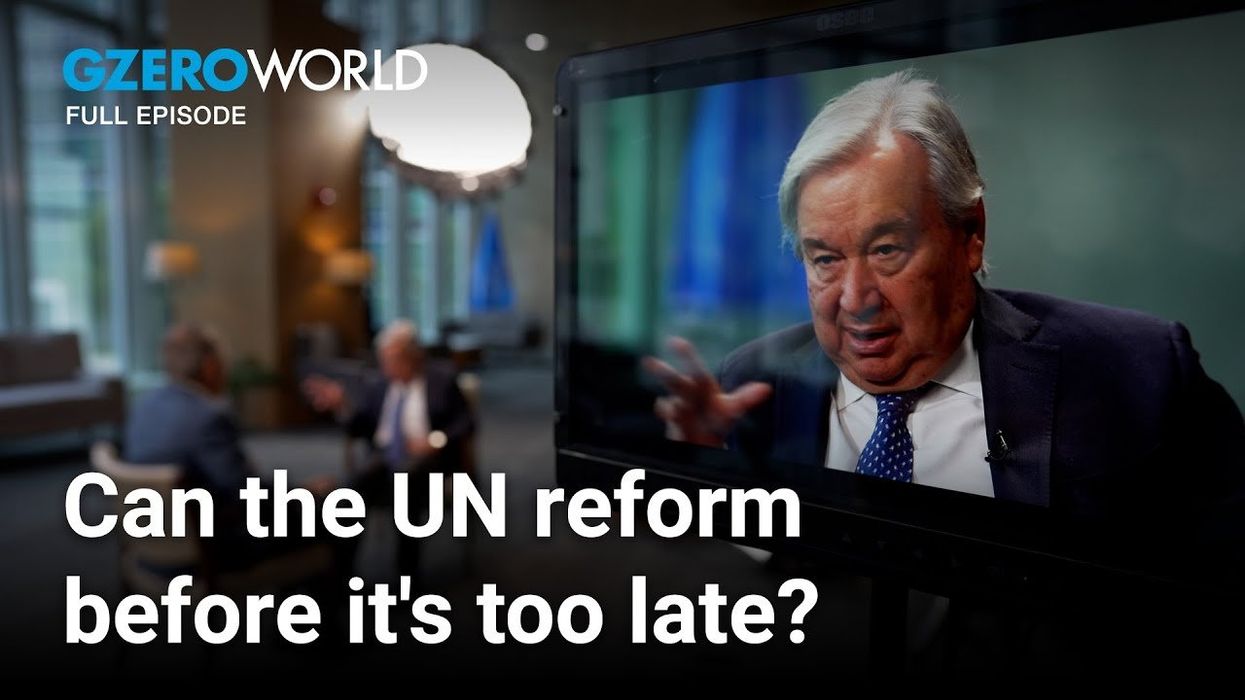
- Time for a new Security Council? The UN’s most powerful body was organized during a very different time in global politics, and the lack of permanent representatives from Africa, Latin America, or Asia has eroded the UNSC’s credibility. Secretary-General António Guterres said now is the time to bring an African country onto the body, and Liberian Foreign Minister Sara Beysolow Nyanti told GZERO’s John Haltiwanger doing so would bring perspectives that are too often ignored at the upper echelons of the international community.
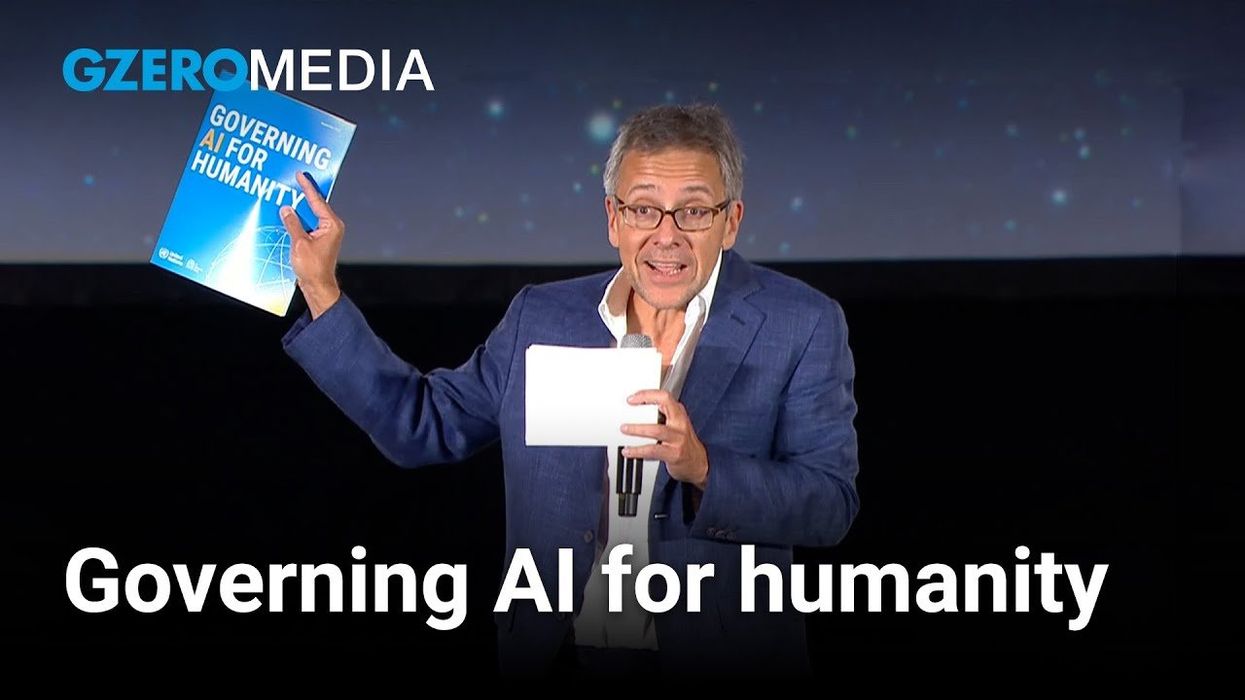
- AI, oh my! GZERO’s very own Ian Bremmer was part of the body that released the first report to outline a truly global approach to the challenges posed by AI. The report asked the UN to begin working on a “globally inclusive” system for AI governance, called on governments and stakeholders to develop AI in a way that protects human rights, and made seven recommendations. More here.
- GZERO also organized a Global Stage livestream in coordination with the UN’s Complex Risk Analytics Fund (CRAF’d) entitled “Live from the United Nations: Securing Our Digital Future,” bringing together experts from across industry and government, including International Monetary Fund Managing Director Kristalina Georgieva and Czech President Petr Pavel, to discuss the best direction for this revolutionary technology.