Site Navigation
Latest Stories
Sign up for GZERO Daily.
Global Stage LIVE from United Nations WATCH REPLAY
GZERO World with ian bremmer

Hosted by Ian Bremmer, GZERO World is an award-winning, nationally syndicated PBS television program featuring the most influential leaders and thinkers in the world.
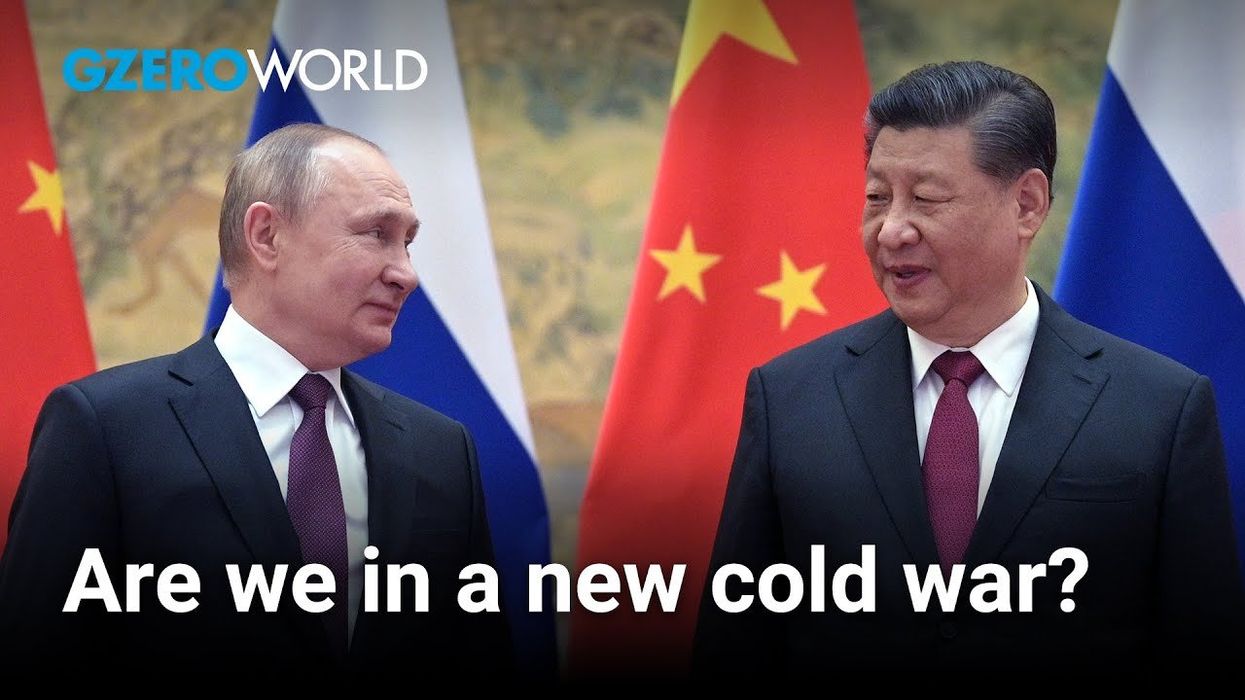
“We are back in a period of superpower competition that will probably go on for decades. And that, if we're lucky, remains a cold war.” David Sanger, a Pulitzer prize-winning national security correspondent for The New York Times, joins Ian Bremmer on a new episode of GZERO World to offer a clear-eyed take on America’s adversaries. He’s out with a new book called "New Cold Wars: China's Rise, Russia's Invasion, and America's Struggle to Defend the West." The takeaway: we’re entering a new and increasingly unstable era of geopolitics where the US, China, and Russia will be vying for power and influence like never before. China's rise as a world leader and economic powerhouse, along with Russia's nuclear saber-rattling and increasing military cooperation, poses an unprecedented challenge to US dominance.
But unlike the Cold War that dominated the 20th century, where the US and the Soviet Union could operate essentially independently from each other, the world today is far more connected. "It's a cold war that bears almost no resemblance to the one that you and I are old enough to remember, because in that Cold War, we had a single competitor, and we weren't dependent on them, nor they on us for very much."
Sanger also talks about America’s missed opportunities and misjudgments in dealing with Russia and China. There were early hopes of engagement with Russia under Yeltsin's presidency, which quickly eroded when Putin came to power. Similarly, there was a belief that integrating China into the global economy would lead to political reform. However, this bet did not play out as expected, with the Communist Party using digital forces for explicit repression techniques. "It became pretty evident, pretty clearly that the Communist party had learned how to take these same digital forces and use them for the most explicitly designed repression techniques we have ever seen.”
But one area where both Russia and China have a shared interest? Pitting Americans against each other. “They have every incentive, both Russia and China, to be subtle actors in the background of this coming presidential election,” Sanger tells Bremmer. “And that's one area where if they are not cooperating, it would pay them off considerably to coordinate.”
Catch GZERO World with Ian Bremmer every week on US public television (check local listings) and online.
More from GZERO World with Ian Bremmer
About the Show
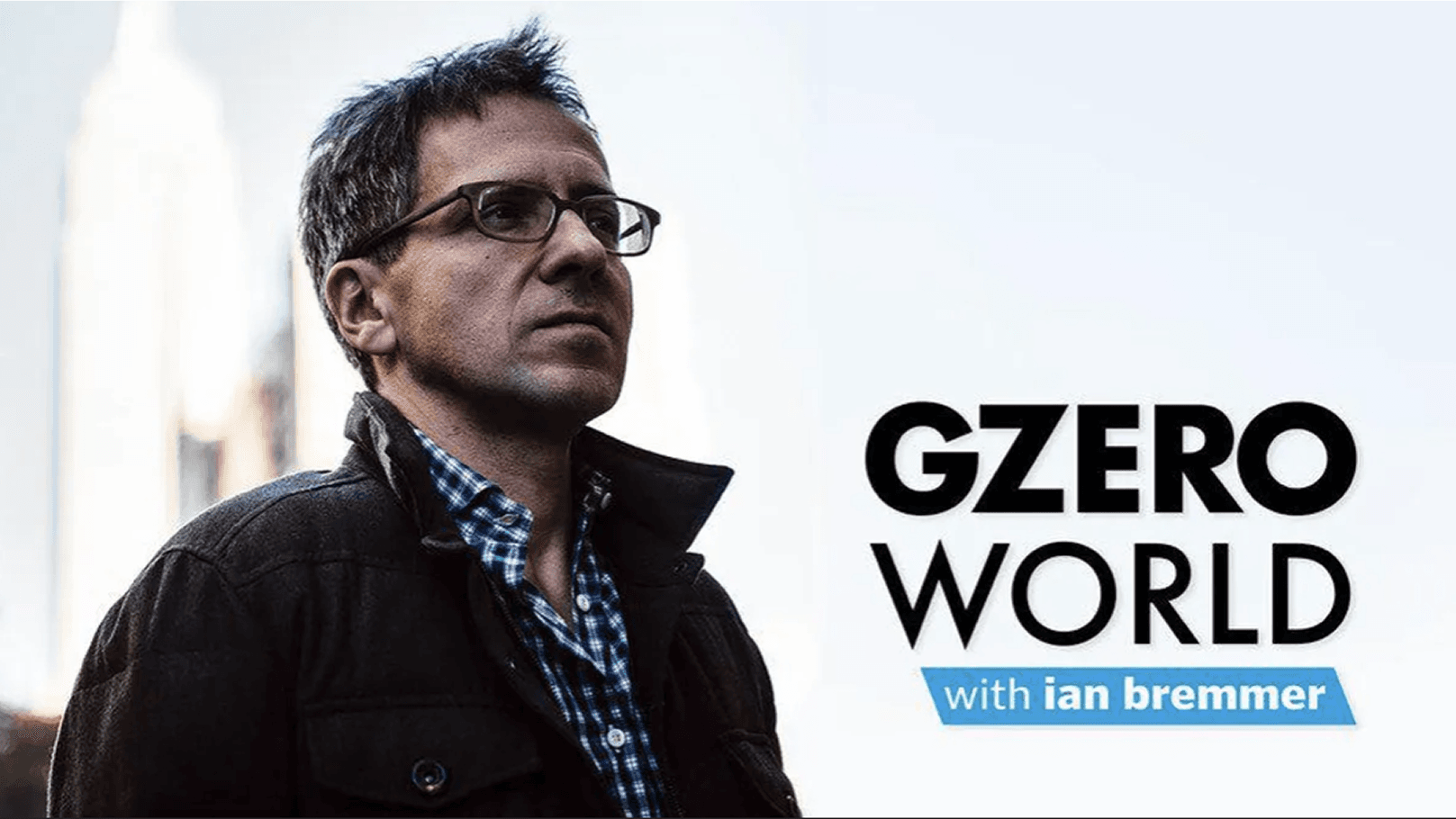
Every week on GZERO World with Ian Bremmer, Ian explains the key global stories of the moment, sits down for an in-depth conversation with the newsmakers and thought leaders shaping our world.
Watch GZERO World on US public television and on GZERO's YouTube channel. GZERO WORLD with Ian Bremmer is a local public television program presented by THIRTEEN PBS.
Funding for GZERO World is provided by:



Powering what's next
Energy used to be a predictable cost. Now it's a constraint on growth, and businesses are rethinking how they plan and build.
GZERO Media’s Tony Maciulis sat down with Susan Uthayakumar, Chief Energy and Sustainability Officer at Prologis, to discuss how rising power demand from automation, AI and fleet electrification is changing where and how companies build. Together, they examine the role real estate plays in energy infrastructure, what effective public-private partnerships look like, and how on-site power generation can support communities in crisis.
GZERO Series

GZERO World with Ian Bremmer

Puppet Regime
Quick Take

ask ian
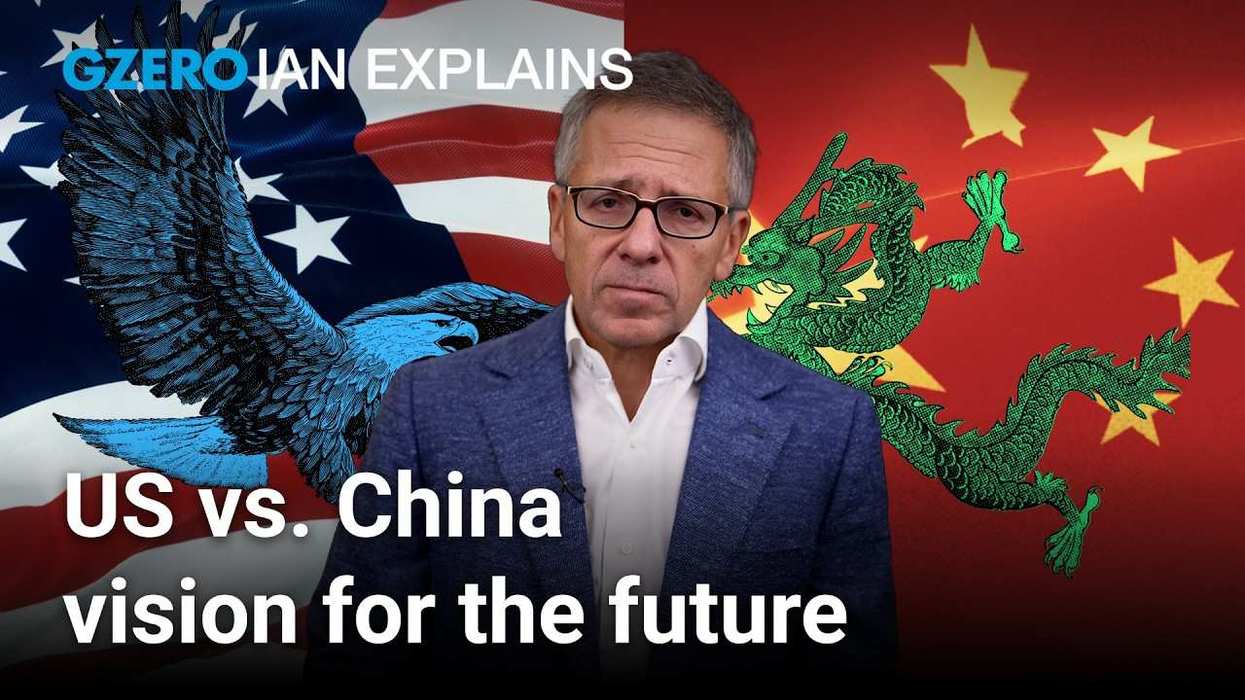
Ian Explains
GZERO Reports
GZERO Europe

The Debrief

GZERO Daily: our free newsletter about global politics
Keep up with what’s going on around the world - and why it matters.