Skip to content
Search

Latest Stories

Fears of a wider war grow

Israeli soldiers stand guard near the Israeli-Lebanon border in the northern town of Shlomi.

Israeli soldiers stand guard near the Israeli-Lebanon border in the northern town of Shlomi.

Fadi Amun via Reuters
Make us preferred on Google

Could the war between Israel and Hamas engulf other areas and actors in the region?

The biggest concern is that Hezbollah, a Lebanese Shiite Muslim political party allied with Iran – and deemed a terrorist organization by the US – will open a second front along the Israel-Lebanon border.


On Sunday, Hezbollah sent a missile into Israel, killing one civilian in response to Israeli strikes the previous day that killed two civilians and a Reuters cameraman. In Lebanon, the United Nations peacekeeping force UNIFIL reported that an unidentified rocket struck its headquarters in the southern part of the country.

Israel has declared its northern border with Lebanon a closed military zone, and on Sunday it warned civilians not to come within 2.5 miles of the border or risk being fired upon.

Over the weekend, Hezbollah leader Hassan Nasrallah met with Iranian Foreign Minister Hossein Amirabdollahian, who subsequently demanded that Israel cease its operations in Gaza or suffer “a huge earthquake.” The implication? That an Israeli ground invasion of Gaza would push Hezbollah into the war.

If Hezbollah joins the conflict, this would require a significant Israeli response involving both air and ground forces, and analysts fear this could escalate into a wider regional conflict with Syria and the possibility of attacks from Iraq, Yemen, and Iran.

Another possible flashpoint is the West Bank. Since the Hamas attacks last Saturday, at least 55 Palestinians have been killed and over 1,100 wounded in attacks by settlers and operations by the Israeli Defence Forces. The IDF said on Sunday that it had arrested 330 people in raids across the West Bank, including 190 connected with Hamas, as terror attacks against Israelis have escalated in the area.

Over 500,000 Jewish settlers live in nearly 150 settlements across the West Bank, alongside 2.5 million Palestinians. Since the attacks by Hamas, settler groups have been mobilizing. One WhatsApp group of over 800 participants has told residents to prepare for “the possibility of mobilizing for a joint activity with the security forces for the immediate demolition of terrorist houses.”

In response, the IDF has emphasized that the responsibility for security in the settlements and on the roads lies with the military alone. The fear is that settler attacks could cause an escalation of violence and provoke the opening of another front in the war, further stretching Israel’s military and hampering efforts to defend itself.


More For You

For Gen Z, changing jobs can mean a bigger paycheck. Younger workers continue to see the largest gains from switching, offering a glimpse into how career mobility is evolving across generations.Subscribe to Bank of America Institute to explore the data. [...]
Machado returns to Venezuela – but when will democracy?

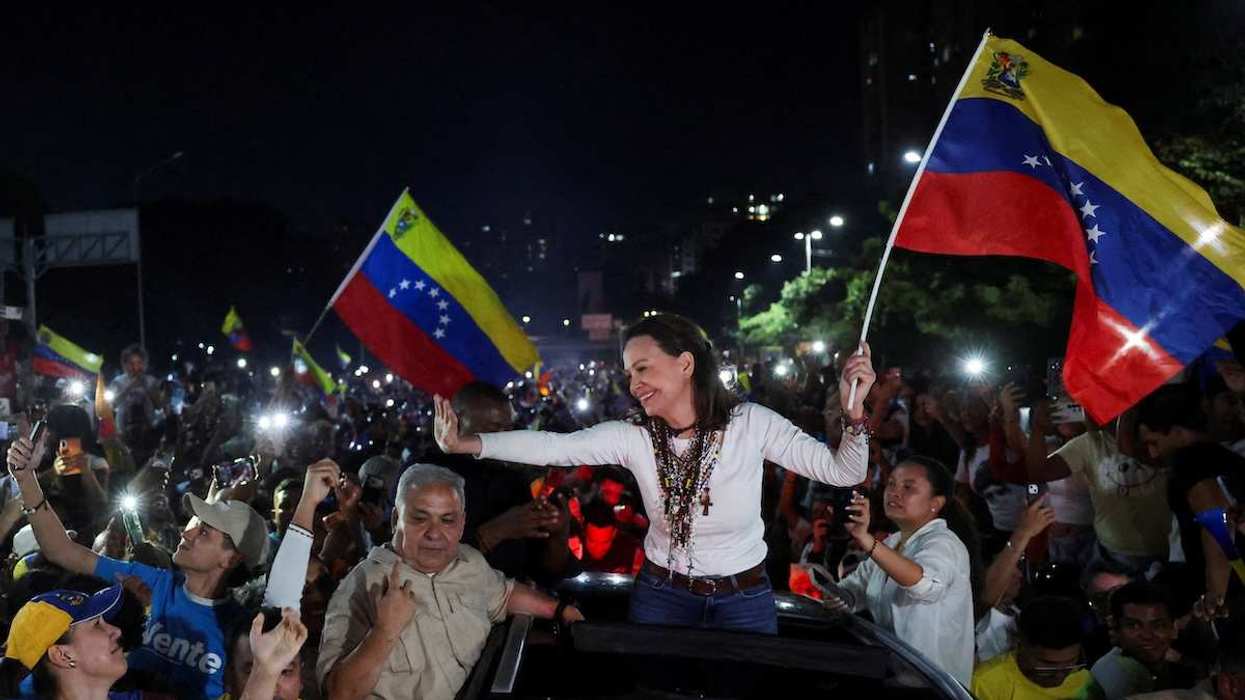
Venezuelan opposition leader Maria Corina Machado holds a Venezuela flag while greeting supporters as she arrives in Caracas after travelling by road from Barquisimeto, where she made her first public appearance following her return to the country after nearly a year abroad, in Caracas, Venezuela, October 25, 2026.

REUTERS/Leonardo Fernandez Viloria
On Sunday, Venezuelan opposition leader María Corina Machado returned home after ten months in exile. In the time since she last set foot on Venezuelan soil, the United States arrested authoritarian leader Nicolás Maduro on narco-terrorism charges and installed Vice President Delcy Rodríguez as acting president. As the Trump administration slowly [...]
What recent elections say about voter frustration
- YouTube
In this ‘ask ian,’ Ian Bremmer says recent elections around the world point to a common trend: voters are increasingly unhappy with their governments as inflation, security concerns and economic pressures shape political outcomes.Ian cautions against seeing recent results as a broad victory for either the left or the right. Instead, “a lot of [...]
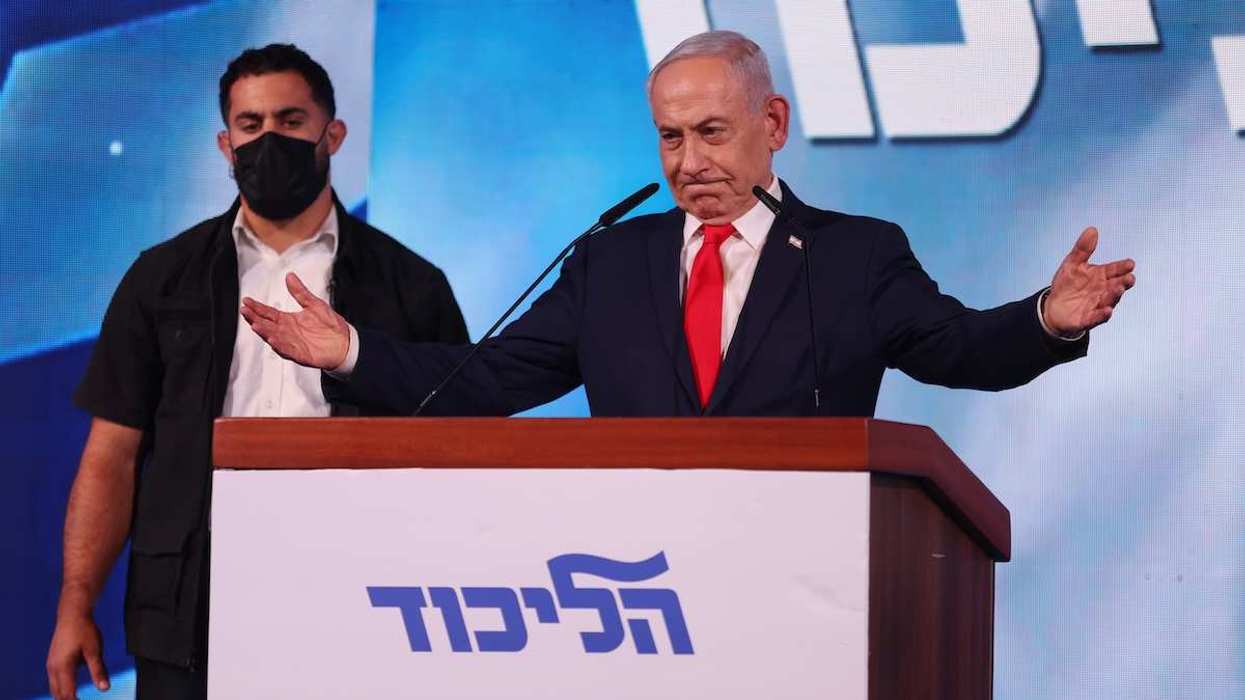
Likud Party leader and Israeli Prime Minister Benjamin Netanyahu delivers a speech to supporters at the Likud campaign headquarters following the release of exit polls and initial results of the general election in Jerusalem on October 28, 2026.

Likud Party leader and Israeli Prime Minister Benjamin Netanyahu delivers a speech to supporters at the Likud campaign headquarters following the release of exit polls and initial results of the general election in Jerusalem on October 28, 2026.

Anadolu via Reuters Connect
Israelis turned out in droves on Tuesday for an election billed as one of the most consequential in the country’s history – and they still don’t know who won. About 77% of Israel’s eligible voters cast ballots, the highest in more than two decades, to decide whether to give Prime Minister Benjamin Netanyahu and his coalition another term or hand [...]