We don't get it: Does the US expect its allies to choose between the US and China or not?
Just a few months ago, US Secretary of State Tony Blinken promised that, although the two countries are in a deepening rivalry over trade, technology and values, Washington "won't force allies into an 'us-or-them' choice with China."
But as we noted yesterday, it seems that during a recent trip to Brasilia, US National Security Adviser Jake Sullivan gave the impression that if Brazil were to ban Huawei from its national 5G auctions later this year, there could be a NATO partnership in it for Brasilia.
The US state department denied that there was a clear quid pro quo — naturally, we shudder to hear those three words again — but Washington certainly appears to be mounting a full-court press to enlist the support of Latin America's largest economy when it comes to facing down the US' "most serious competitor."
For background, under presidents Donald Trump and Joe Biden, the US has been making the (not entirely crazy) case to allies that it's foolish to allow their most critical communications infrastructure to be built by a company under the influence of a government that they could, one day, be in open conflict with. (The US is, of course, hoping those allies will forget credible accusations that the US has itself spied on its allies.)
But the Brazil case is trickier than most.
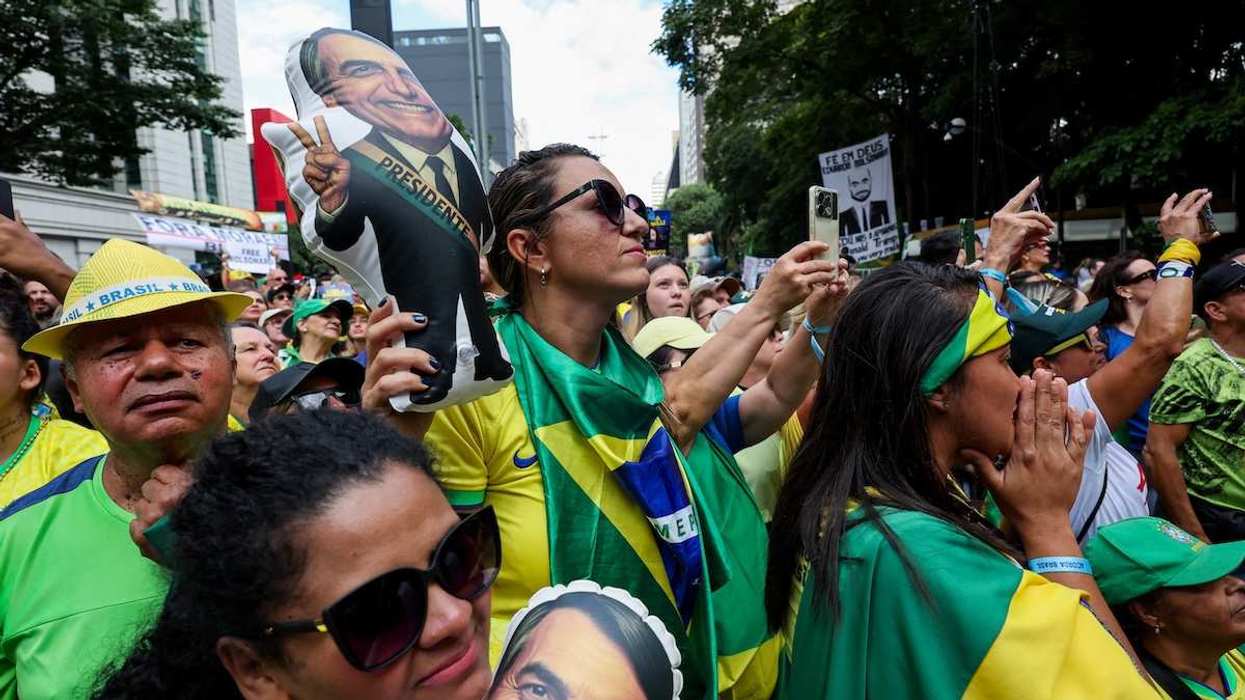
Yes, far-right former army captain Bolsonaro and his supporters have an intense ideological aversion to communist China. And if a NATO partnership were on the table, it would be great to have ties to the most powerful military alliance in history ]— even if, as Eurasia Group Brazil expert Silvio Cascione pointed out to us, Brazil hasn't waged a war along its borders in 120 years.
Still, the downside for Brazil of cutting Huawei out of its 5G network could be immense. For one thing, all of Brazil's major telecoms companies — which have used Huawei tech for more than two decades — bitterly oppose the move. Last year, they refused to meet with a US official who showed up to talk smack about the Chinese company. That's because Brazil's telcos already use relatively inexpensive Huawei equipment in more than half of their networks, according to a study from last year, and the costs of using comparable European or US-made stuff for new 5G networks would be immense. Brazilian Vice President Hamilton Mourão, seen as a moderating force in the presidential palace, agrees.
More broadly, China could inflict serious harm on the Brazilian economy in response. China has been Brazil's largest trade partner for more than a decade, accounting for about a third of the country's total exports. Much of that comes from Brazil's powerful agriculture sector, which doesn't want to see any ripples in the relationship (even if their friends in the manufacturing sector are furious at Chinese companies for undercutting them on price in recent years.)
But the tradeoffs here aren't Brazil's alone. There's also a circle that needs to be squared on the US side, and it has to do with the Biden administration's "values agenda." This White House has made a point of putting support for democracies back into US foreign policy after the rougher realism of the Trump era. But as Sullivan surely is aware, one of the most brazen assaults on democratic institutions in the world right now is happening in… Brazil.
With polls showing that Bolsonaro — who has badly mishandled the pandemic and is now facing corruption allegations — could get trounced in next year's presidential election, he's spent weeks questioning, without evidence, the integrity of Brazil's voting system. Brazil's highest court is launching a probe into his claims, while he is calling that court's top justice a "son of a whore." This is clearly preparation for a possible Trump-style election rejection next year. And as Cascione has warned, a January 6th crisis in Brazil is absolutely possible.