Donald Trump’s return to the White House will have massive geopolitical implications. During his first term, Trump’s chaotic foreign policy was driven by his “America First” philosophy, which combined a transactional view of alliances and an isolationist-leaning skepticism about US involvement in foreign conflicts. He withdrew from major agreements, routinely insulted allies (often via tweets), questioned the value of NATO and the UN, launched a trade war with China, cozied up to authoritarian adversaries, and was viewed as an untrustworthy leader across the globe.
Given the tumultuous nature of his initial four years in office, the world is now bracing for the impact of Trump’s return.
Here’s a closer look at what we can expect from Trump on some of the biggest foreign policy issues.
China
Trump 1.0 took a hardline approach to trade with China, which he holds responsible for draining American manufacturing jobs. He imposed several rounds of tariffs that were continued by the Biden administration.
The president-elect has threatened to raise those tariffs further – up to 60%. China, which has been struggling economically, is ramping up exports in order to get ahead of any Trump 2.0 tariffs.
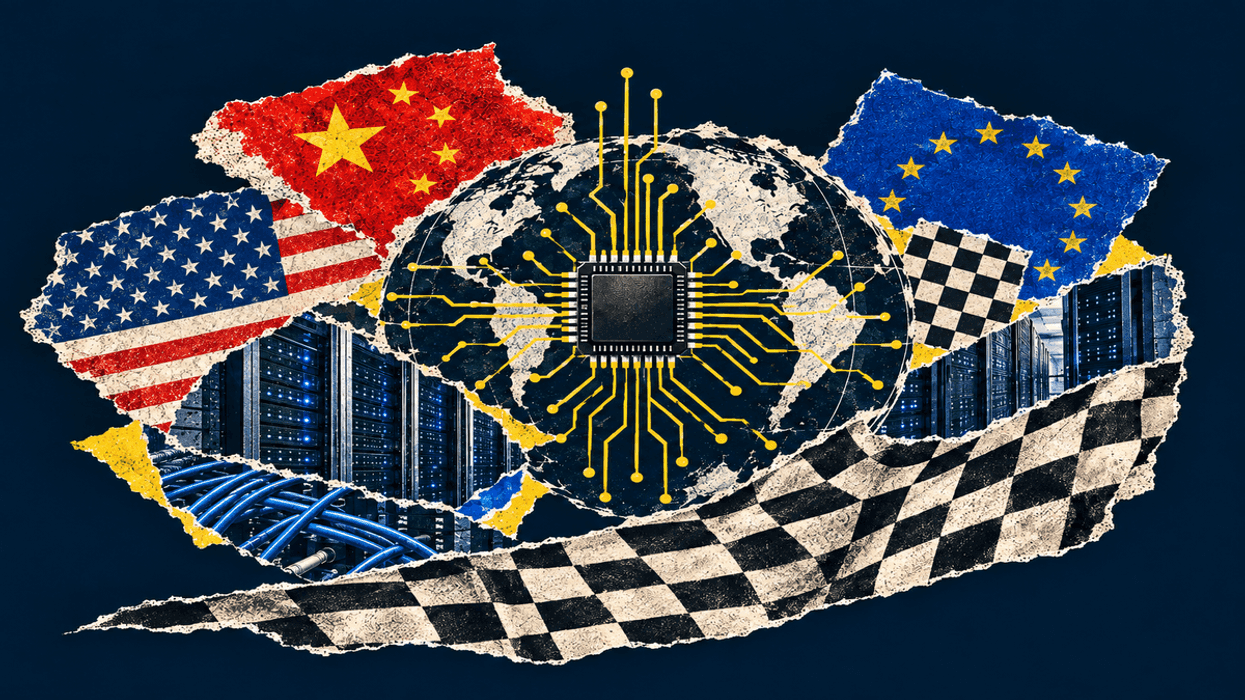
Trump has also threatened to revoke the CHIPS Act, a law signed by President Joe Biden to increase competitiveness with Beijing in the semiconductors race by offering billions to companies that produce in the US. Trump says he prefers to simply slap tariffs on Chinese chips directly.
Taiwan
Trump’s victory is making Taiwan anxious, amid questions over whether he’ll continue to support the self-governing island democracy as it contends with an increasingly aggressive China. The president-elect has called for Taiwan, which Beijing views as a breakaway province, to begin paying the US for defense. By law, the US is committed to providing Taiwan with defensive weapons. The island purchases billions in arms from the US.
Trump has also accused Taiwan, the world’s biggest producer of semiconductors, of stealing the US’s “chip business.”
When asked in October whether he would use military force against a Chinese blockade of Taiwan, Trump said, “I wouldn’t have to” because Xi “respects” him and knows he’s “f— crazy.”
The Middle East
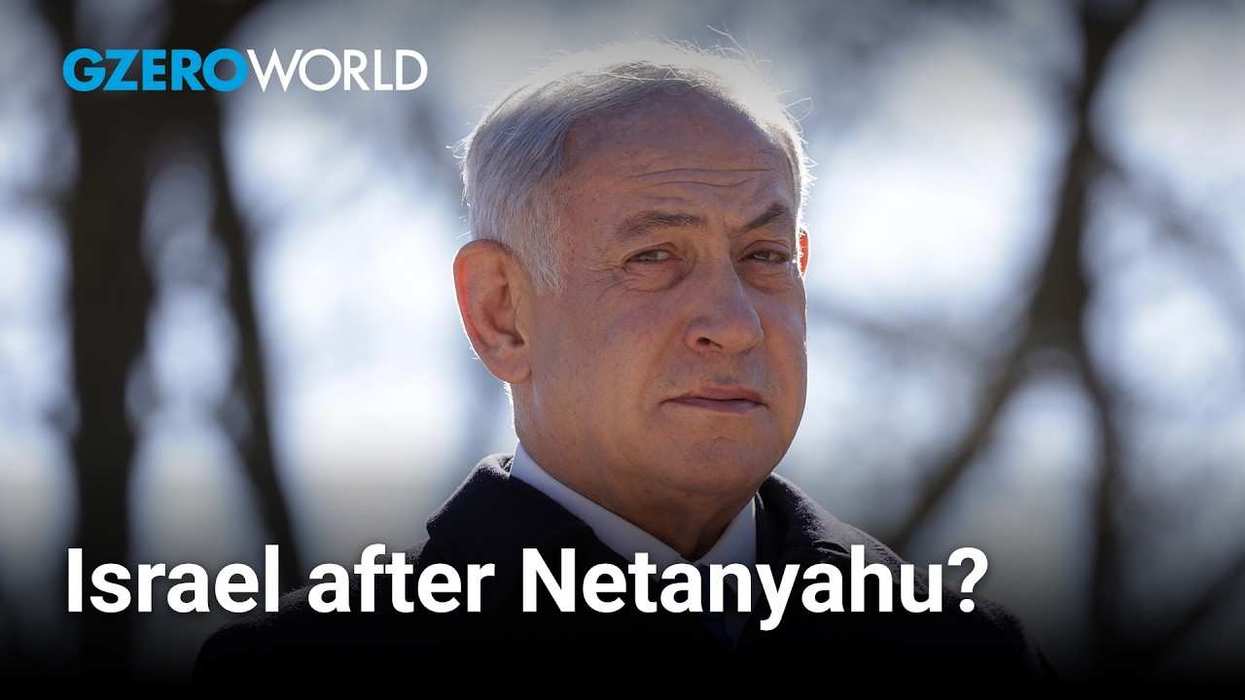
Trump’s election victory is good news for Israeli Prime Minister Benjamin Netanyahu. During his first term, Trump took numerous steps that aided Netanyahu’s agenda. He controversially moved the US embassy to Jerusalem, recognized Israel’s annexation of the Golan Heights, and said the US no longer considered Israeli settlements in the occupied West Bank as illegal under international law. Bibi in a tweet celebrated Trump’s win as “history’s greatest comeback!”
Trump will likely be even more pro-Israel than Biden – former CIA Chief Leon Panetta has even said he expects the president-elect to give Netanyahu “a blank check.”
But Trump has also expressed a desire for a quick end to the war in Gaza and has vowed to bring peace to the region. At a minimum, his election win gives Netanyahu room to delay any cease-fire deal until after Trump’s inauguration.
Saudi Arabia is also likely pleased to see Trump return. He stood by Saudi Crown Prince Mohammed bin Salman in the aftermath of the kingdom’s brutal murder of journalist Jamal Khashoggi, and derailed efforts in Washington to punish Riyadh. Trump could potentially use his strong ties with Saudi Arabia to foster a deal that would see the oil-rich country normalize ties with Israel — though the Saudis still say this won’t happen until the issue of Palestinian statehood is resolved.
Trump’s win also has significant implications with regard to Iran, which is currently locked in a tit-for-tat with Israel that has fueled fears of a wider war in the Middle East.
The US and Iran were on the brink of war under Trump after he ordered the strike that killed Qassem Soleimani, a top Iranian general. Tensions were already high at the time due to Trump’s decision to withdraw the US from the 2015 nuclear deal with Iran and reimpose harsh economic sanctions in a failed bid to get Tehran to agree to a stricter deal.
Trump has pledged to avoid new wars in his second term and in September signaled he was open to talks with Tehran to achieve a new agreement to ensure Iran doesn’t develop a nuclear weapon. But if he once again pursues a “maximum pressure” strategy, it could raise the risk of conflict.
Ukraine
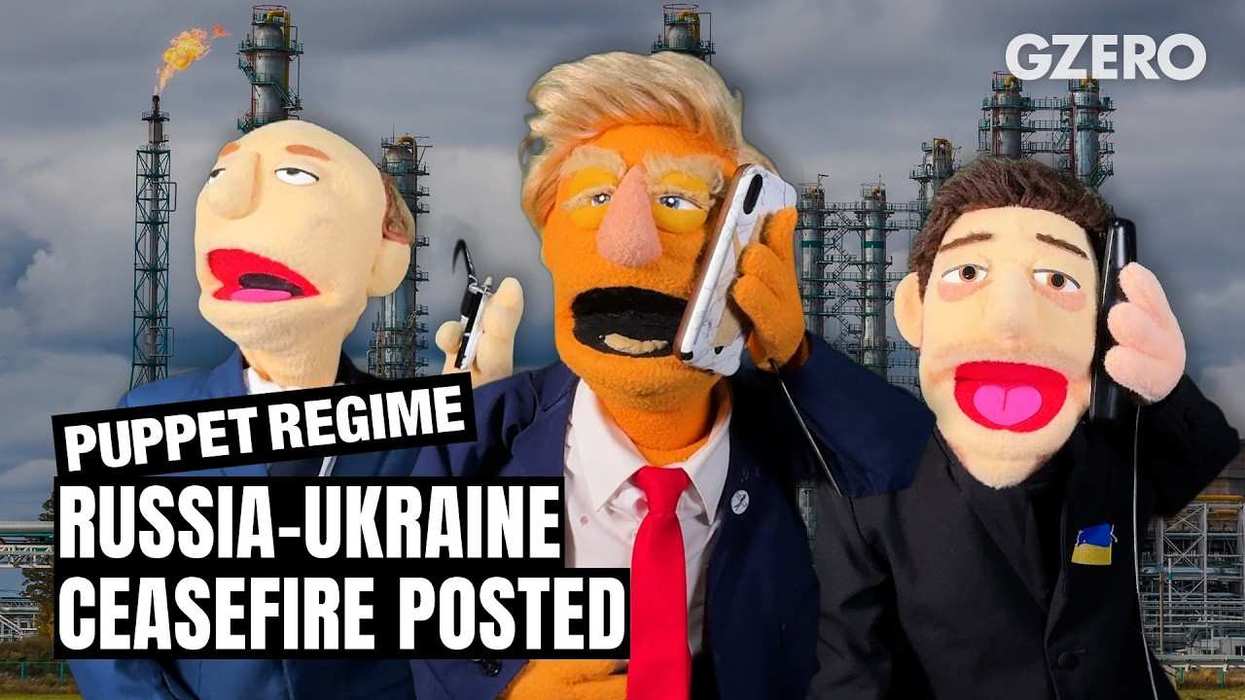
Trump has pledged to end the war in Ukraine “in 24 hours,” but he hasn’t elaborated on how he’ll accomplish this.
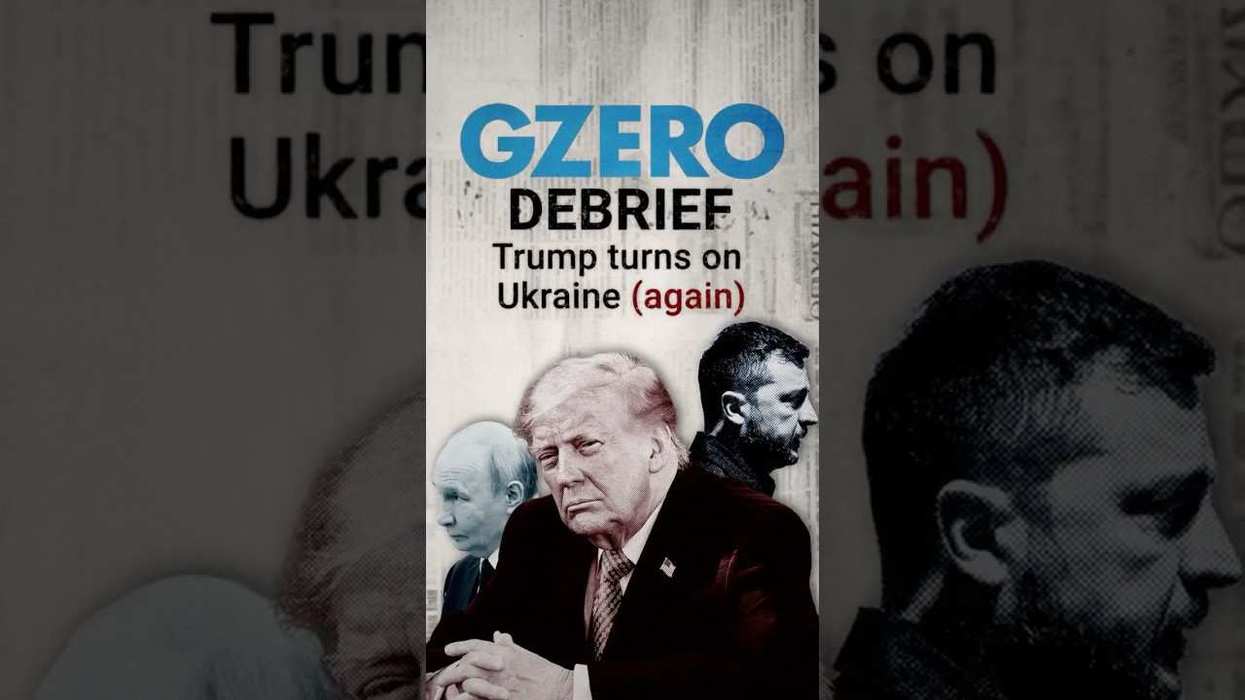
As a result, his victory ushers in a new era of uncertainty for Kyiv. Trump, who’s repeatedly praised Russian President Vladimir Putin, opposes continued US support for Ukraine’s war against the Russian invasion. The Ukrainian military would struggle to sustain the fight without continued US assistance.
The dynamic between Trump and Ukrainian President Volodymyr Zelensky is awkward. Trump’s first impeachment in 2019 was tied to his decision to freeze aid to Ukraine as he pressured Zelensky to launch an investigation into Biden over bogus corruption allegations.
Trump has also blamed Zelensky for the war with Russia, though it was Putin who ordered the Russian invasion of the former Soviet republic.
But Zelensky on Wednesday said he had a “great” conversation with Trump as he congratulated him on winning the election. “We agreed to maintain a close dialogue and develop our cooperation. Strong and steadfast US leadership is vital to the world and to a just peace,” he added, praising Trump’s “peace through strength” approach to global affairs.
Putin on Thursday also congratulated Trump, praising him as a “brave man.” The Russian leader added that what Trump has said “about the desire to restore relations with Russia, to help end the Ukrainian crisis, in my opinion, deserves attention at least.”
Mexico
The US-Mexico relationship could suffer under Trump, who routinely rails against the country in relation to immigration, has pledged to conduct mass deportations, and has even suggested the US should use military force against Mexican drug cartels.
Trump has threatened to impose tariffs on America’s southern neighbor — and largest trading partner — even though this would potentially violate the trade deal that he negotiated with Mexico and Canada while in office.
Mexican President Claudia Sheinbaum is so far playing it cool in the face of these threats. On Wednesday, Sheinbaum said Mexicans have “nothing to worry about” over Trump’s election win.
“We are a free, independent, sovereign country and there will be good relations with the United States. I am convinced of this,” Sheinbaum added.
Europe
Trump’s victory raises many questions about US relations with Europe. Amid ongoing economic woes across the continent, European leaders are unsettled by Trump’s threat to apply blanket tariffs on goods imported into the US. But it remains to be seen whether Trump will make good on this.
Trump frequently clashed with European allies during his first term, using unprecedented and alarming threats to withdraw from NATO altogether as a means of getting them to spend more on defense as part of the alliance.. His win is sparking fresh conversations about the need for Europe to be less reliant on the US for defense.
NATO chief Mark Rutte on Thursday said Trump was “right” to pressure NATO countries to spend more on defense. The NATO chief said he was “looking forward” to sitting down with Trump to discuss issues of concern to the alliance.
Meanwhile, the far right prime minister of Hungary, Viktor Orban, celebrated the US election result as a “much needed victory for the world,” though on Thursday he cautioned that trade relations with a more protectionist administration “will not be easy.”