The 2024 Paris Peace Forum faces a dysfunctional global order

The 7th annual Paris Peace Forum is getting underway, convening diplomats, academics, and private sector leaders tasked with finding solutions to mounting global crises before conflicts erupt. Spoiler alert: That mission has not been accomplished.
The Forum’s theme is “Wanted: A Functioning Global Order,” and will focus on topics such as the wars in Ukraine and the Middle East, funding for climate action, and countering disinformation and digital attacks to restore trust in cyberspace.
These conversations are particularly fraught following key political developments last week—Donald Trump’s clear victory in the US presidential election, and the collapse of German Chancellor Olaf Scholz’s coalition government following months of economic crisis. Both of those signal more unpredictable times to come for European politics.
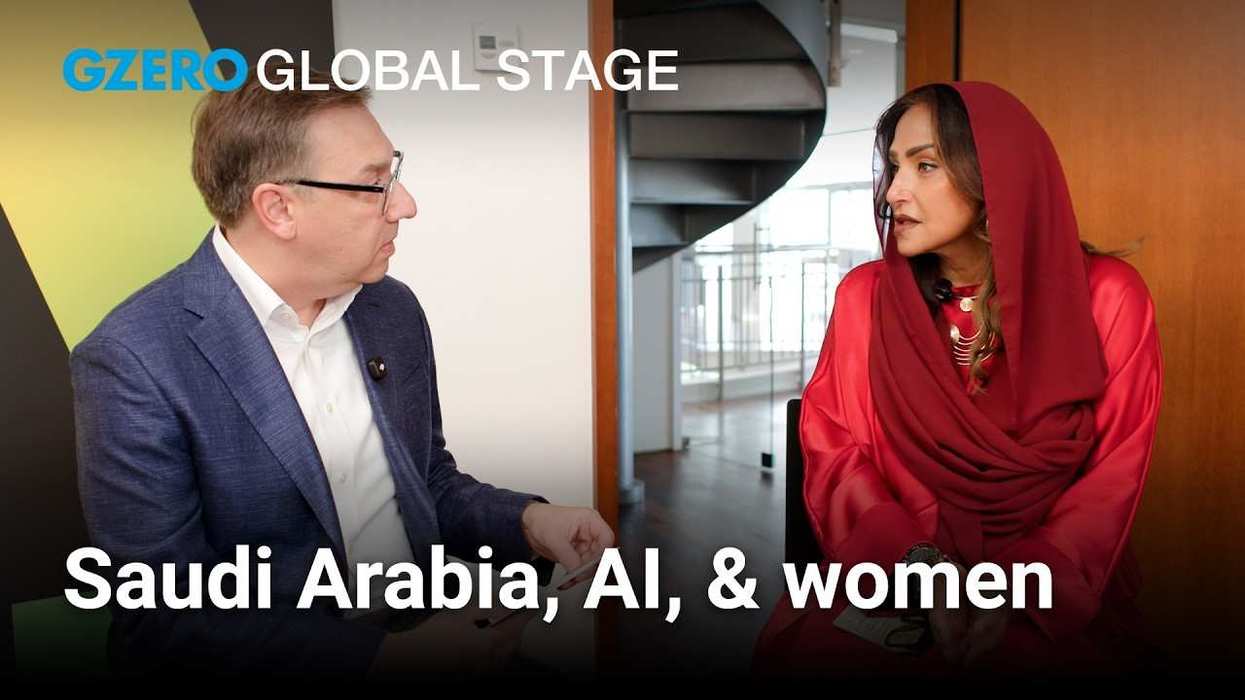
GZERO’s Tony Maciulis is on the ground at the Paris Peace Forum for our Global Stage series, and interviewed Justin Vaisse, the organization’s founder and Director General. Top of mind for Vaisse, of course, was Trump’s election and what it means for Europe.
“I don’t think Trump will simply throw Ukraine under the bus,” Vaisse said. “The conclusion is still, however, that Europe should be ready to support Ukraine by itself. Whether it can is another question, but it should be ready.”
Check out Tony’s full interview with Justin Vaisse here, and look for more coverage of the Paris Peace Forum from GZERO this week.
- Climate crisis can't be hijacked by global competitions: Justin Vaisse ›
- Europe needs to strengthen its defenses, says President Macron ›
- Can Europe become a global superpower? ›
- Europe's reaction to US election win: Gloom and despair ›
- Great expectations, grave concerns ›
- How will Trump 2.0 approach foreign policy? ›
- UN's Rebeca Grynspan on the world’s debt crisis: Can it be solved? - GZERO Media ›
- At the Paris Peace Forum, war and conflicts were topics du jour - GZERO Media ›