Global leaders are descending upon Peru this week for the 2024 Asia-Pacific Economic Cooperation Forum amid an increasingly conflict-ridden world — and just a week after American voters reelected Donald Trump to the US presidency. The year’s meetings are focused on critical economic and environmental challenges, as well as the need to bolster bilateral and multilateral ties in the Asia-Pacific region. With outgoing President Joe Biden meeting up with Chinese President Xi Jinping at APEC, GZERO reached out to Eurasia Group expert Gabriela Vasquez Madueno for her take on what to watch at the event.
What is APEC, and why does it matter?
The Asia-Pacific Economic Cooperation, a forum of 21 economies from across the Pacific Rim focused on promoting sustainable economic growth, trade, and investment in the region, is convening its Leaders’ Meeting this week in Peru. The gathering brings together economies that represent nearly 40% of the world’s population, almost half of global trade, and approximately 60% of global GDP.
While APEC’s formal economic impact remains limited, it is still significant as a platform for diplomatic engagement and bilateral and multilateral cooperation. It provides space for growing economies such as Indonesia and Mexico and major powers like the United States and China to engage and collaborate on issues ranging from climate change and sustainable development to the digital economy.
APEC takes a consensus-based approach, which means all members have an equal voice, and it relies on voluntary commitments and capacity building – rather than treaties – to achieve its goals. So, again, its impact remains limited. APEC, however, is a useful forum to build consensus on topics that may, in the future, become binding commitments in other fora or in trade agreements. It’s also worth noting that APEC is one of few multilateral forums, apart from the WTO, where Taiwan is recognized as a separate economy. This unique status allows Taiwan to participate in global economic discussions and engage with other member economies, including China.
What are the themes for this year’s APEC meetings?
This year’s theme, “People, Business, Prosperity,” focuses on finding innovative solutions to the region’s most pressing challenges. Resilient growth has been a priority. The summit this week aims to promote inclusive and interconnected growth, address the informal economy by utilizing digital platforms for better economic integration, and prioritize resilient growth in the face of global challenges like climate change and food security.
Members are working to facilitate trade and investment in the region by contributing to the development of the Free Trade Area of the Asia-Pacific agenda. They have also defined low-carbon hydrogen policy frameworks to support regional energy transitions and initiatives to prevent and reduce food loss and waste. Participants are putting forward several initiatives to promote sustainable and resilient finance, as well as an exchange of policies aimed at utilizing digital platforms to integrate the informal economy and boost economic integration.
What are the main challenges of APEC?
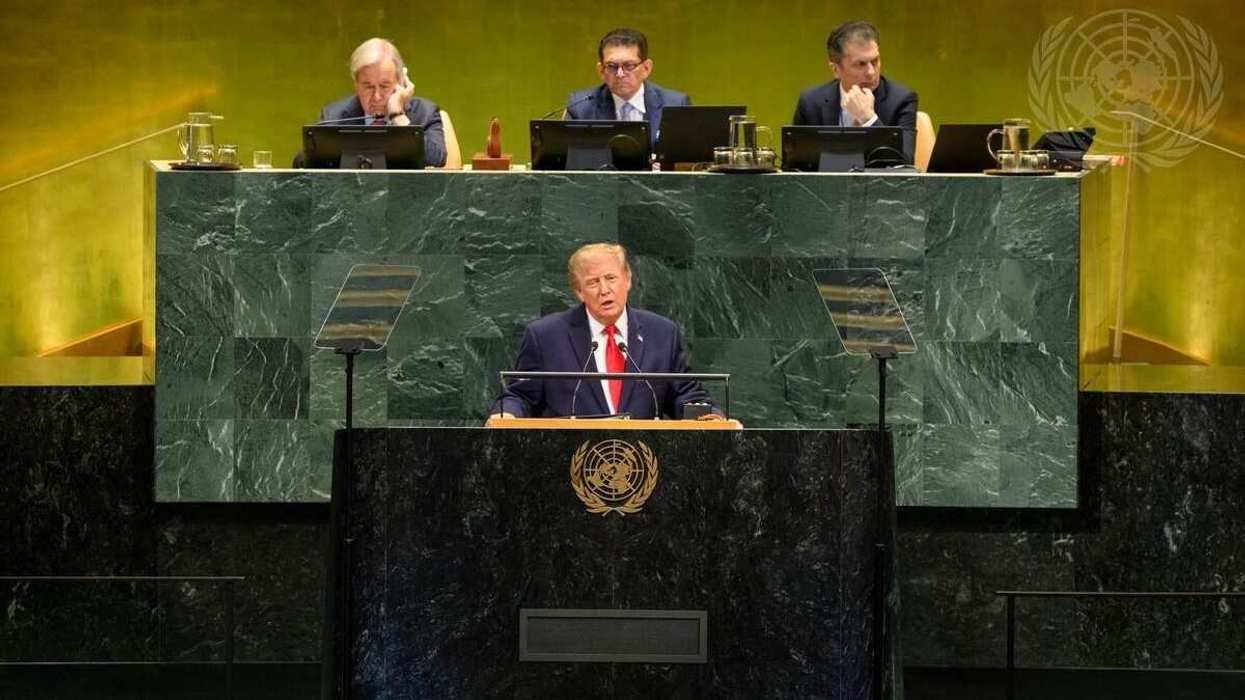
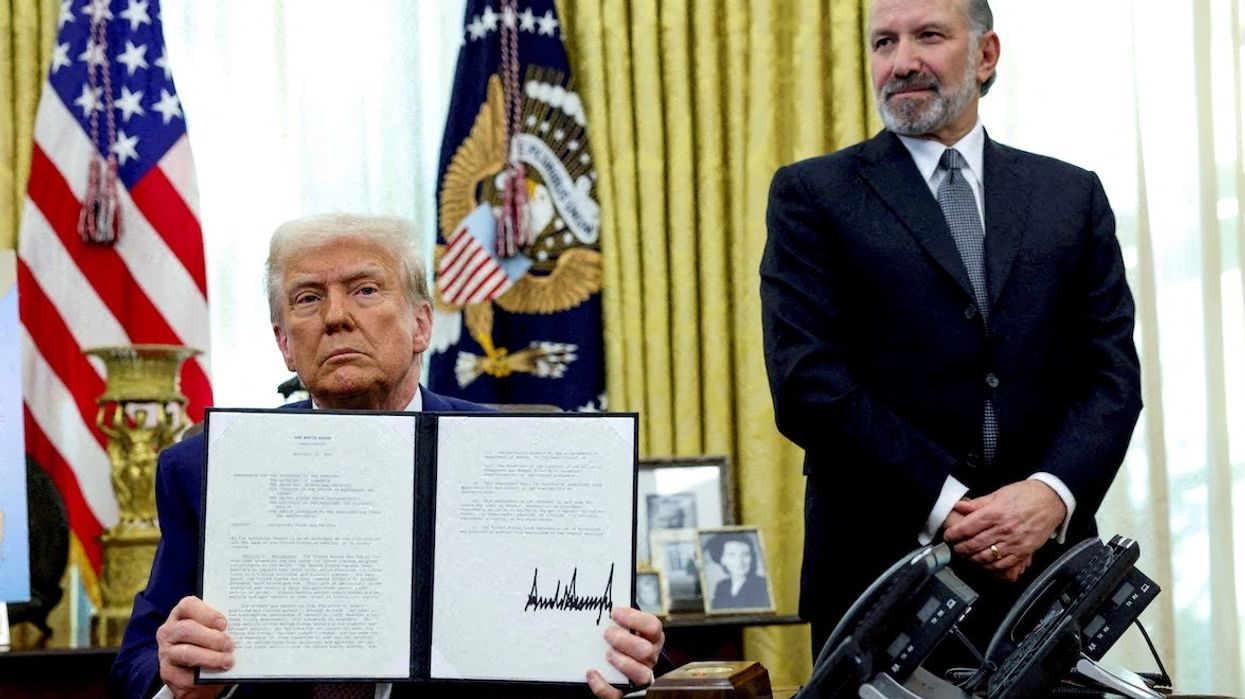
The recent US election and the pending potential shift in foreign policy under Donald Trump has cast a long shadow on proceedings this week. As such, the US has taken a less active role in the present APEC event, as the next administration will prioritize bilateral discussions over multilateral ones. There will be little room for further integration considering the change of administration, as it is believed the Trump administration will prefer negotiating directly with individual states, rather than working through regional groups. Also, Trump’s threat of tariffs will cause APEC economies to fret.
This future shift creates uncertainties within the forum and potentially undermines its effectiveness in the coming years.
Additionally, the growing geopolitical rivalry between the US and China further complicates discussions and potentially impacts the overall agenda. Other member economies are finding themselves caught in the middle, forced to navigate the competing interests of these two major powers. Beijing, for its part, will use the summit to build its attraction among non-US member countries, some of which are feeling anxious about a Trump presidency, by offering unilateral concessions over tariffs and visas, among other measures.
So this event is a crucial test of the prospects for regional cooperation and global economic stability given today’s geopolitical tensions.
What to watch from this year’s APEC
The 2024 APEC Economic Leaders' Week is hosting several significant bilateral and multilateral meetings. Key leaders, including US President Joe Biden and Chinese President Xi Jinping, are going to be on hand for the event. Biden and Xi are set to meet at APEC, a White House source said Wednesday, and both men will then head to Brazil for the Group of 20 summit.
Xi’s inauguration of the $3.5 billion Chancay port – the largest project China has invested in Latin America in recent years – during his visit to Peru reflects China’s presence in the region. This poses a challenge for the White House in South America, where China's geopolitical influence has continued to grow. Xi, with Trump 2.0 looming, will likely emphasize Beijing’s ability to serve as the region’s free-trade champ, presenting China as a counterweight to the tariff controls being threatened by Trump.
All eyes will be on any potential meetings or informal conversations between US and Taiwanese officials, particularly between US President Joe Biden and high-level representatives from Taiwan, such as the head of TSMC.
In addition to political leaders, several prominent CEOs are in attendance at APEC. These include Jamie Dimon of JPMorgan Chase, Karan Bhatia of Google, and Shou Zi Chew of TikTok. The latter’s presence is particularly interesting given the ongoing risk of being federally banned in the US because of its resistance to selling itself.
We’ll be watching for any major developments or announcements from APEC – and for signs of the forum’s potential strength in the years to come.