Skip to content
Search

Latest Stories

News

Beijing makes its move on Hong Kong

Beijing makes its move on Hong Kong
Make us preferred on Google

It looks like China's leadership has finally had enough of Hong Kong's pro-democracy movement.

In a speech on Thursday to the national people's congress, a symbolic confab of the country's ruling elite, Premier Li Keqiang announced a new national security law that would outlaw secessionist activity and criminalize foreign influence in Hong Kong. The measure, an explicit response to recent pro-democracy protests there, would also permit mainland China's security agencies to operate openly in the city.


The move caught Hong Kongers and the rest of the world almost totally by surprise.

If the law is passed, it would in practice end the "one country, two systems" arrangement between Beijing and Hong Kong that has existed since the territory reverted from British control to Chinese rule in 1997. Under that model, Hong Kong enjoyed special democratic and economic freedoms unknown on the mainland.

This isn't the first time Beijing has tried to impose a security law like this on Hong Kong. In 2003, a similar attempt provoked mass protests that forced Beijing to back down. But 17 years later, China's leadership has grown much more assertive — both at home and abroad — while Hong Kong's share of the now-massive Chinese economy has dwindled from nearly a fifth of GDP to less than 3 percent.

Establishing firmer control over Hong Kong, which is already within China but living under different laws, is in some ways a dress rehearsal for President Xi Jinping's larger ambition: reunification with Taiwan, which he has pledged to make happen by 2049.

The move could provoke fresh protests. It wasn't long ago that Beijing's attempt to subject Hong Kongers to the jurisdiction of the mainland's (highly politicized) courts touched off the largest demonstrations in the city's history. Those protests, some of which turned violent, fizzled out as the coronavirus pandemic began. But smaller scale ones have popped up again lately, and pro-democracy activists have responded to the new security law by sounding an urgent call to return to the barricades.

Will this inflame US-China ties?

They are in bad shape already, as Beijing and Washington blame each other for the pandemic, expel each other's journalists, and continue to "decouple" their economies. The Hong Kong move could make things worse. US Secretary of State Mike Pompeo called the new security law a "death knell" for Hong Kong's autonomy, and a related sanctions bill is already circulating in the US Senate. President Trump said the US would respond "very strongly" if the security law is implemented. But what, in practice does that mean? The US has limited tools to force China to behave differently within its own borders.

The bottom line: the coronavirus pandemic cooled things off in Hong Kong for a while, but Beijing just whipped out a blowtorch.
More For You

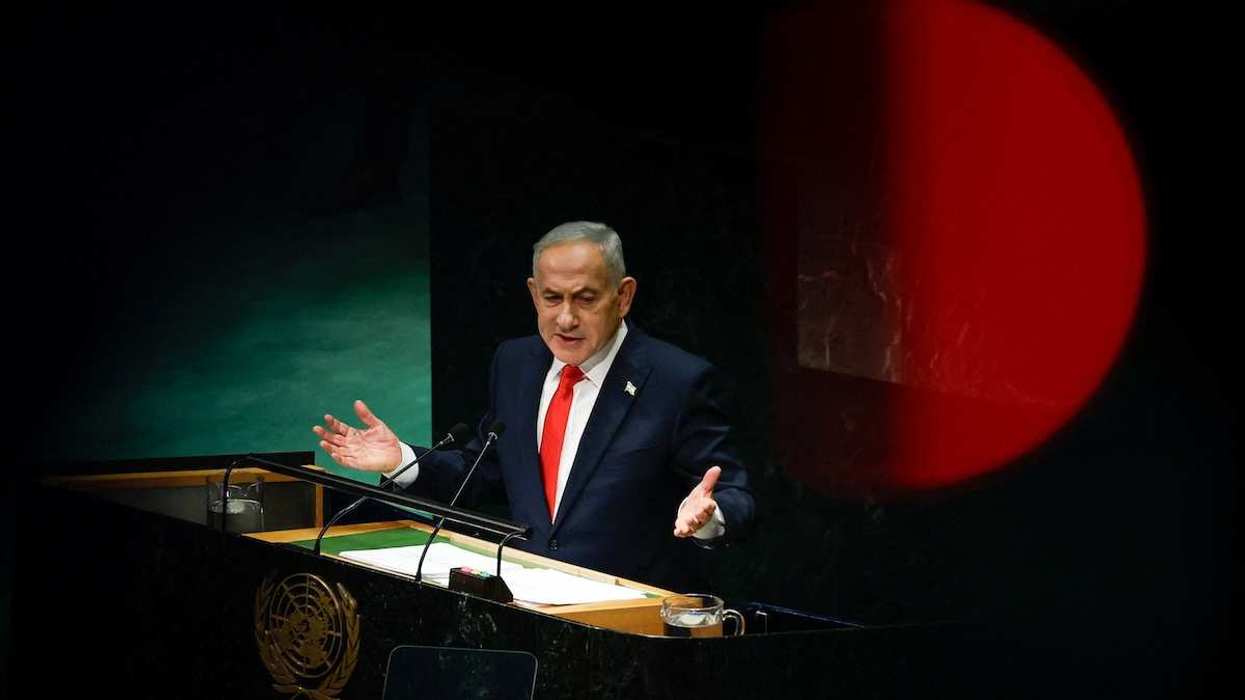
Israel's Prime Minister Benjamin Netanyahu addresses the 81st United Nations General Assembly (UNGA) at UN headquarters in New York City.

Israel's Prime Minister Benjamin Netanyahu addresses the 81st United Nations General Assembly (UNGA) at UN headquarters in New York City, US, September 24, 2026.

REUTERS/EDUARDO MUNOZ
As Israeli Prime Minister Benjamin Netanyahu took the stage at the UN General Assembly yesterday, more than half of the delegates in the room stood up and walked out. In fact, some entered the assembly hall minutes beforehand only to walk out when Netanyahu began speaking.After the walkout, he proclaimed, “If there are any other moral cowards who [...]
Where’s the beef?
Natalie Johnson
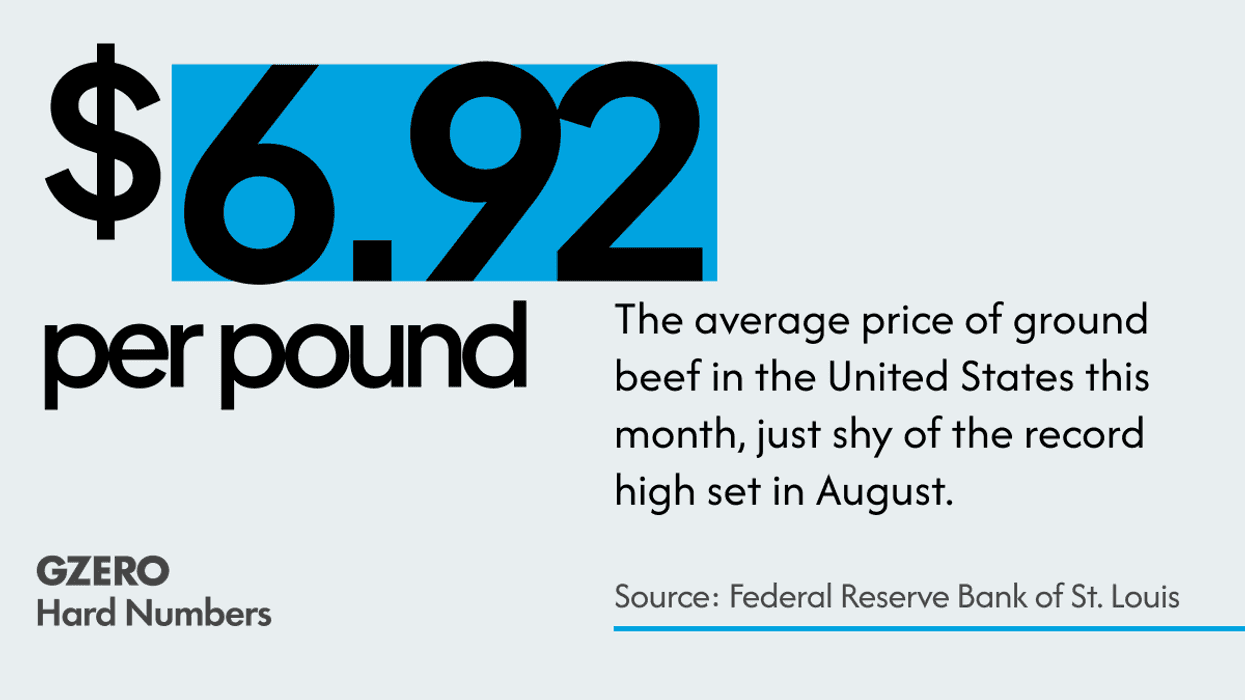
Historically low cattle numbers, combined with strong demand, have driven beef prices higher in the US. And it’s an issue clearly on President Donald Trump’s radar. This summer, he lowered tariffs on some beef imports to bring prices down. But prices have remained stubbornly high, and now he’s turning to Paraguay for help. The arrangement could [...]
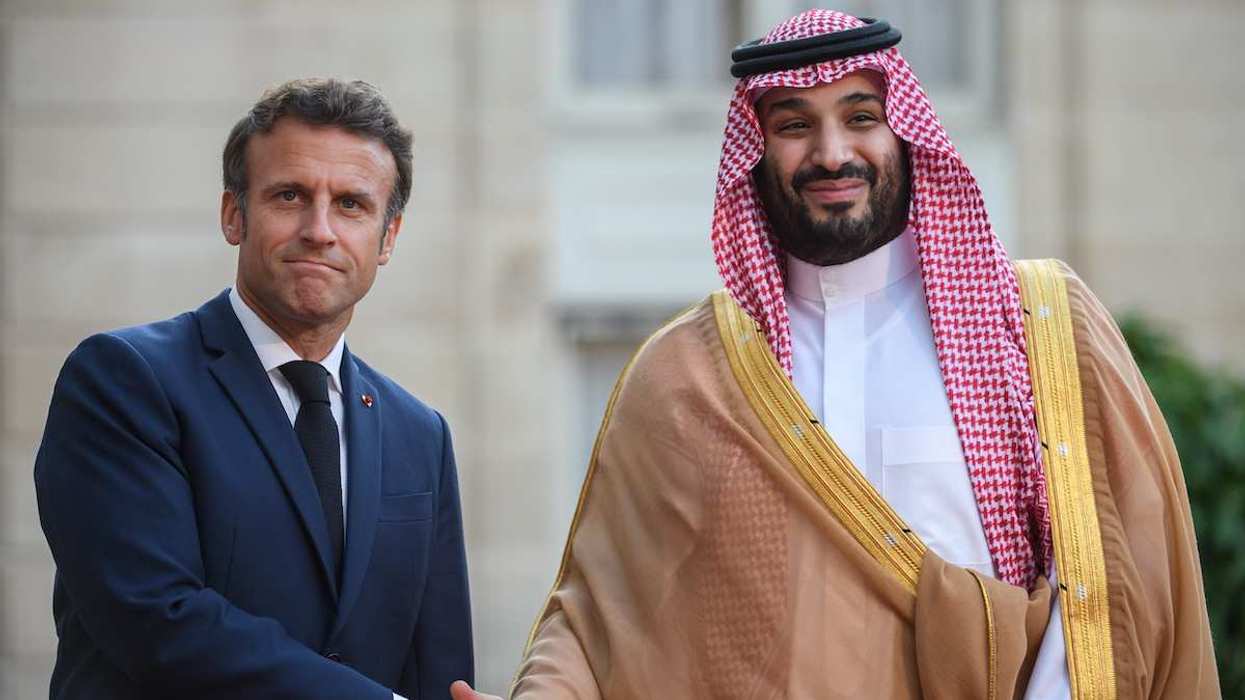
France to send troops to Saudi Arabia, “Cockroaches” in India mobilize against elections chief, Xi to send pandas to Atlanta

The President of the Republic, Emmanuel Macron, received the Crown Prince of the Kingdom of Saudi Arabia, Mohammed Bin Salman Bin Abdulaziz Al-Saoud, at the Elysee Palace on 21 March 2022.

Julien Mattia via Reuters Connect
France offers troops to help secure Saudi Arabia’s energy sitesFrench President Emmanuel Macron announced on Thursday that the country plans to help Saudi Arabia protect energy infrastructure from escalating Houthi attacks. Macron said he would send soldiers, radars, and defense systems, but that they would not “engage in” any direct conflict with [...]
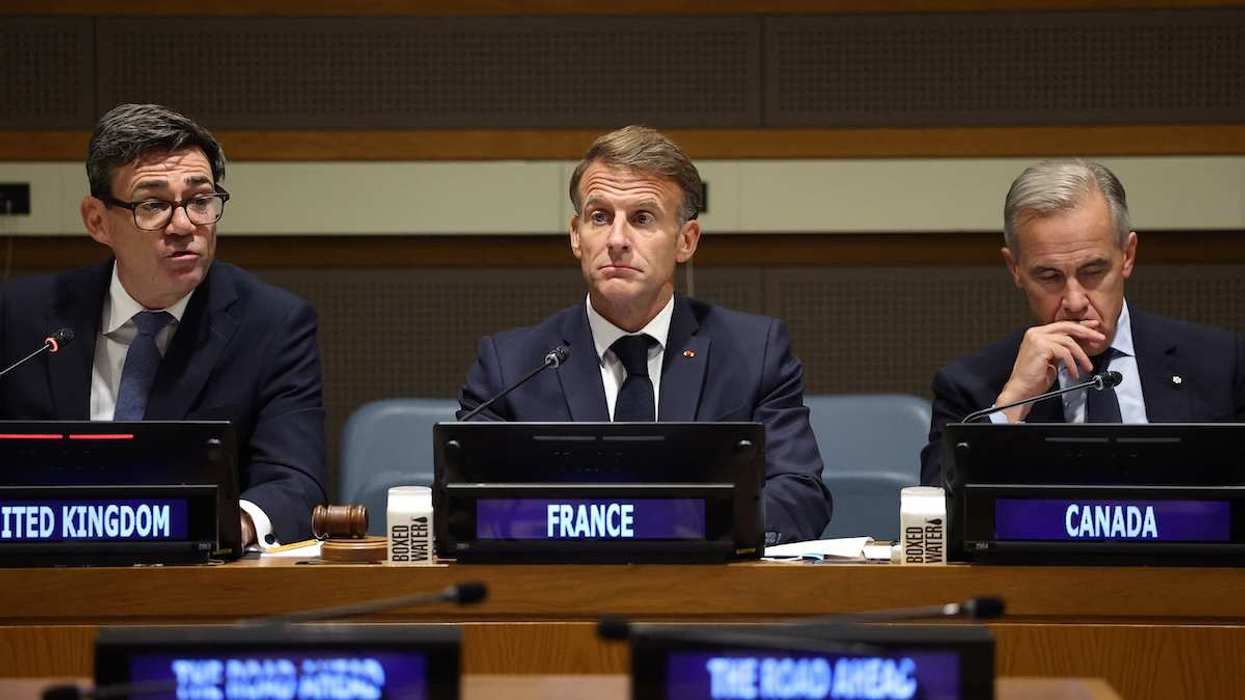
British Prime Minister Andy Burnham attends the Middle East peace event "The Road Ahead: One Year After the New York Declaration and the Comprehensive 20-point Peace Plan" with French President Emmanuel Macron and Canadian Prime Minister Mark Carney.

British Prime Minister Andy Burnham attends the Middle East peace event "The Road Ahead: One Year After the New York Declaration and the Comprehensive 20-point Peace Plan" with French President Emmanuel Macron and Canadian Prime Minister Mark Carney, during the United Nations General Assembly (UNGA) at UN headquarters in New York City, U.S., September 22, 2026.

REUTERS/Toby Melville/Pool
The world’s middle powers are talking a great deal about the need to work together at the UN this week. French President Emmanuel Macron spoke of reviving multilateralism; South Korean President Lee Jae Myung talked about the “cherished value of multilateral cooperation”; British Prime Minister Andy Burnham discussed the need to “work together to [...]