Macron's stern warning to the EU: As coronavirus lockdowns push Europe towards its sharpest economic downturn since World War II, French President Emmanuel Macron said Friday that the EU has an important decision to make: It can unify and implement a bloc-wide economic response to the crisis, or prepare for the EU to crumble. Macron told the Financial Times that if Europe fails to agree on a common strategy for giving financial relief to hard hit countries like Italy, Spain, and France, it will end up fatally empowering Euroskeptic forces that are already hammering the EU's bumbling response to the economic crisis. But despite several attempts to broker a bloc-wide economic response to the crisis, the EU has so far come up short. Macron is pushing for a bloc-wide "rescue fund" that would provide economic relief based on countries' current needs, rather than the size of their economies – a proposal that Germany and the Netherlands have so far rebuffed. The French leader echoed the gloomy sentiment expressed by the Italian prime minister that the future of the EU project depends on the Union's willingness to cough up more cash – and fast.
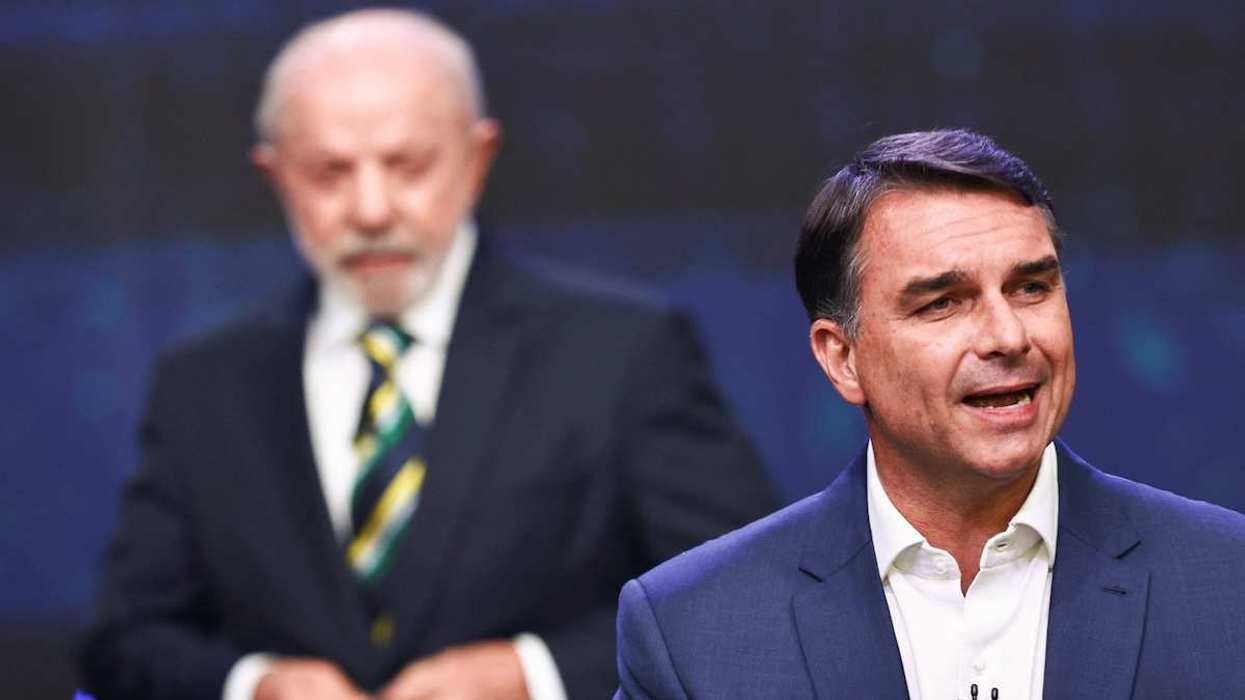
Brazil health minister sacked: It was only a matter of time before Brazil's firebrand president Jair Bolsonaro, an avowed social distancing skeptic, fired his popular health minister Luiz Henrique Mandetta, who has supported strong measures by Brazil's state governors to contain the expanding COVID-19 epidemic in Brazil. That time was Thursday afternoon, when Mandetta announced his own dismissal. Clashes over social distancing may not have been the only reason Mandetta was let go — the charismatic and politically savvy doctor-in-chief was surging in popularity polls, ringing up an approval rating of 76 percent against just 30 percent for Bolsonaro, who has repeatedly scoffed at the seriousness of COVID-19. In fact, more than 80 percent of Bolsonaro's own supporters approved of Mandetta's work. But that's all water over the dam now — the new health minister, sworn in Friday, is an oncologist with a business background named Nelson Teich. He has advocated an approach that pays greater attention to the economic implications of massive lockdowns. So far, Brazil has registered about 2,000 deaths, out of a population of 211 million. What happens to that trajectory next is largely in Teich's hands, with Bolsonaro at his back.
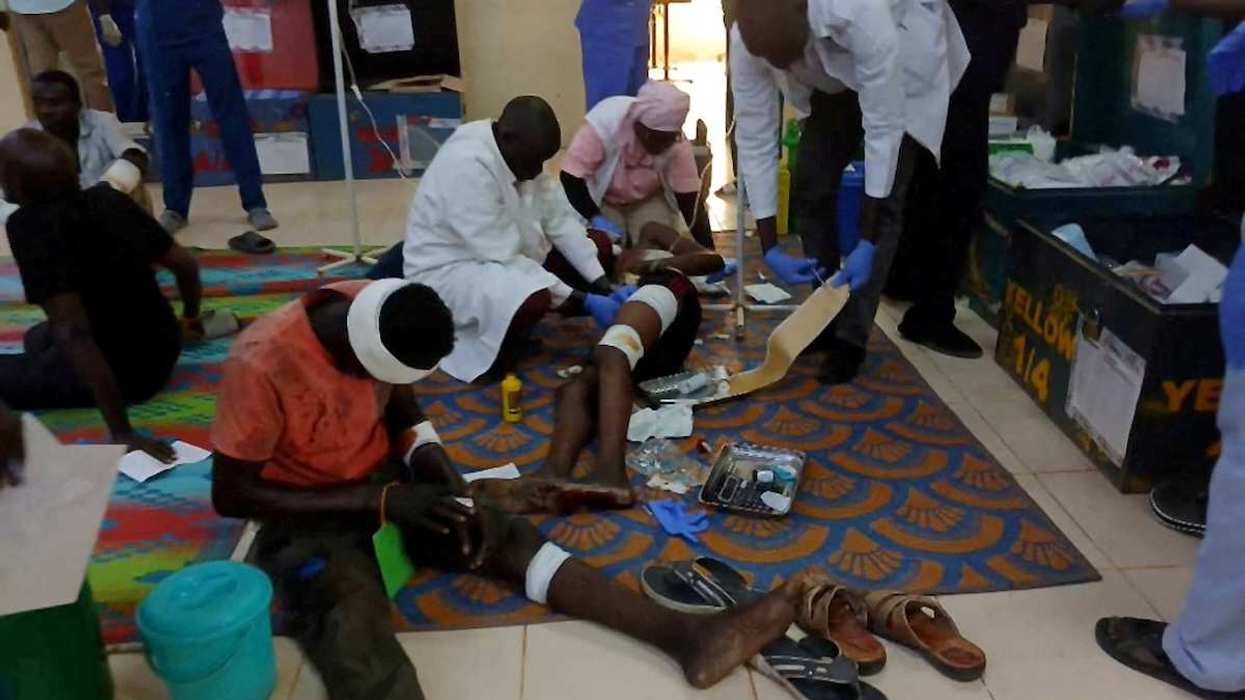
Africa faces a grim trade-off: African countries have so far avoided the worst of the coronavirus pandemic — they show some of the lowest COVID-19 death rates per 1,000 people in the world — but things could get soon get ugly. A new report from the UN warns that because of weak health systems, urban crowding, and the impossibility of social distancing for vast informal economies, as many as 3.3 million of the continent's 1.2 billion people could die of the disease unless stricter measures are taken to prevent its spread. If those measures are taken, the report says, it could save 3 million lives but here's the catch: they could also cost some 20 million jobs, plunging as many as 30 million people into poverty.