Skip to content
Search

Latest Stories

Europe steps up for Ukraine

European leaders attend the European leaders' summit to discuss European security and Ukraine in London

Britain's Prime Minister Keir Starmer, President Volodymyr Zelenskiy, France's President Emmanuel Macron, Canada's Prime Minister Justin Trudeau, Germany's Chancellor Olaf Scholz, European Commission President Ursula von der Leyen, European Council President Antonio Costa, Denmark's Prime Minister Mette Frederiksen, Sweden's Prime Minister Ulf Kristersson, Norway's Prime Minister Jonas Gahr Store, Finland's President Alexander Stubb and other officials attend the European leaders' summit to discuss European security and Ukraine, at Lancaster House in London, Britain, on March 2, 2025.

NTB/Javad Parsa/via REUTERS
Make us preferred on Google

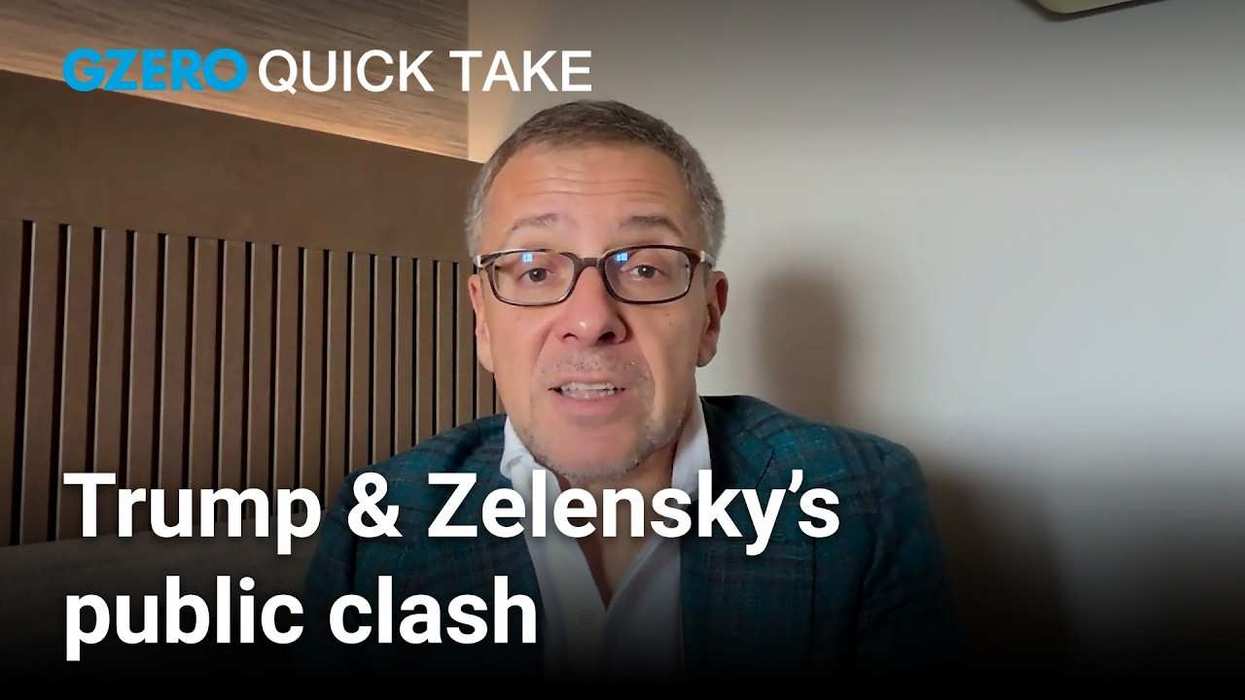
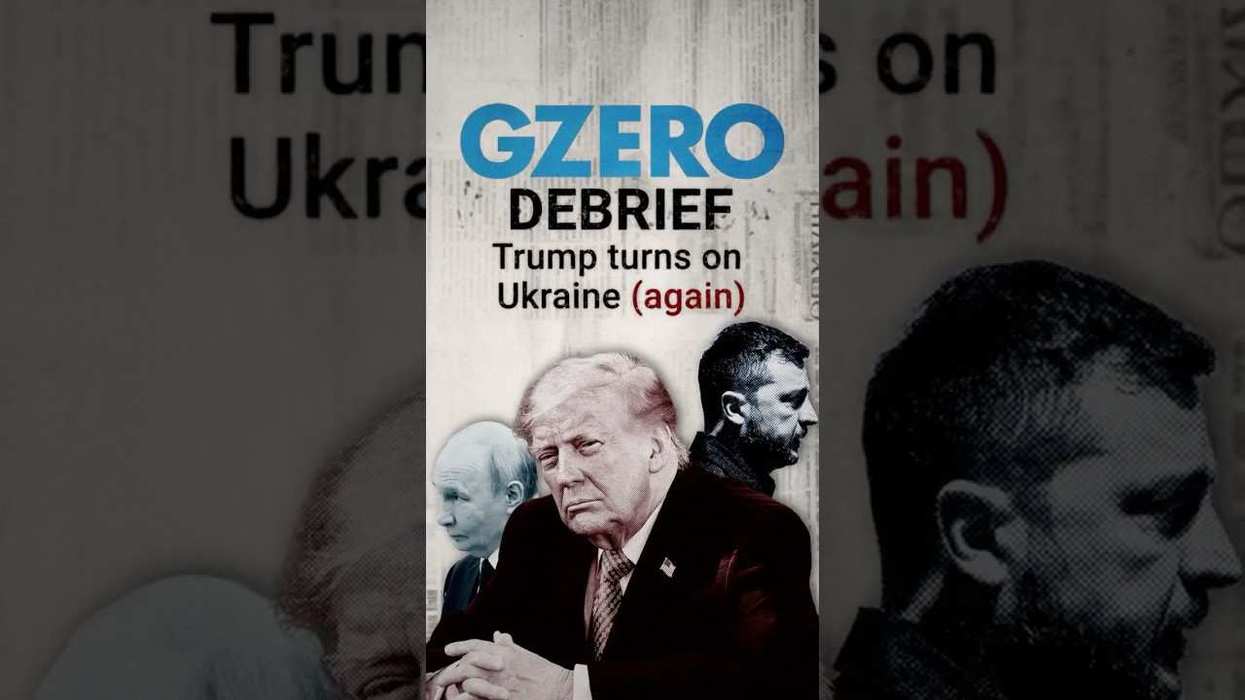
British Prime Minister Keir Starmer, European leaders from France, Italy, Germany, and other nations, as well as Ukrainian President Volodymyr Zelensky and Canadian Prime Minister Justin Trudeau, spent the weekend in London crafting a European-led plan to bring peace to Ukraine. The 11th-hour diplomacy followed last Friday’s contentious press conference between Zelensky, US President Donald Trump, and Vice President JD Vance in the Oval Office, which ended in a shouting match and the expulsion of the Ukrainian delegation from the White House.


What was agreed? In addition to a £2.2 billion loan announced on Saturday, Starmer pledged £1.6 billion in UK export finance on Sunday to allow Ukraine “to buy more than 5,000 air defense missiles, which will be made in Belfast, creating jobs in our brilliant defense sector.” Leaders also agreed to form a “coalition of the willing” to draw up a peace plan to take to Trump, as well as a multinational peacekeeping force, with troops from France, the UK, and other nations whom Starmer said would individually announce their participation. An economic deal between Ukraine and the US appears to be off the table for the moment.

Starmer said he discussed the agreement with Trump but gave no details of their conversation and insisted that he did not consider the US “an unreliable ally” despite Friday’s developments. The deal would also involve Russia, but Starmer emphasized that “we can’t approach this on the basis that Russia dictates the terms of any security guarantee before we’ve even got to a deal.”

What’s at stake for Europe? Everything. As Eurasia Group President Ian Bremmer observed, it’s do-or-die time – literally. “The Europeans feel like there is a gun to their head from the East with the Russians as a direct national security threat, and now a gun to the head from the West, a country that does not support core values of collective security, of rule of law, and of territorial integrity. And that means that the Europeans have to now get their act together immediately – or else.”

More For You

The Iran war's global fallout (so far)
- YouTube
The Iran war has had a ripple effect on the global economy and international relations way beyond the Middle East. Kori Schake of the American Enterprise Institute joins Ian Bremmer to discuss how the conflict is redrawing power for the US, Russia, China, and America's allies. [...]
Winners and losers of the Iran war, with Kori Schake
Operation Epic Fury may be over, but the Iran war is far from resolved. On this week's episode, American Enterprise Institute Kori Schake joins Ian Bremmer to discuss the conflict's global ripple effects.With the Strait of Hormuz effectively closed to commercial shipping, the US finds itself in what Schake calls a Mexican standoff, unable to force [...]
Why Trump can't find the exit ramp in Iran
- YouTube
A ceasefire is holding, barely, but the US blockade of the Strait of Hormuz isn't forcing real concessions from Tehran. Iran is betting Trump has no appetite for renewed war, and they may be right. Gas prices are climbing toward $5 a gallon and a global recession looms. Meanwhile Russia is cashing in. Higher oil prices are refilling Kremlin [...]
Hard number: Seeking owners
Will Fitzpatrick
It’s not known whether these works were among the hundreds of thousands that the Nazis looted – especially from Jews – during their time in power, but in displaying these pieces, the museum hopes that the public can identify their original owners. Perhaps the most famous lost painting of this kind was Gustav Klimt’s “The Woman in Gold”, which was [...]