
Skip to content
Search

Latest Stories

GZERO AI

Should India roll the dice on AI regulation?

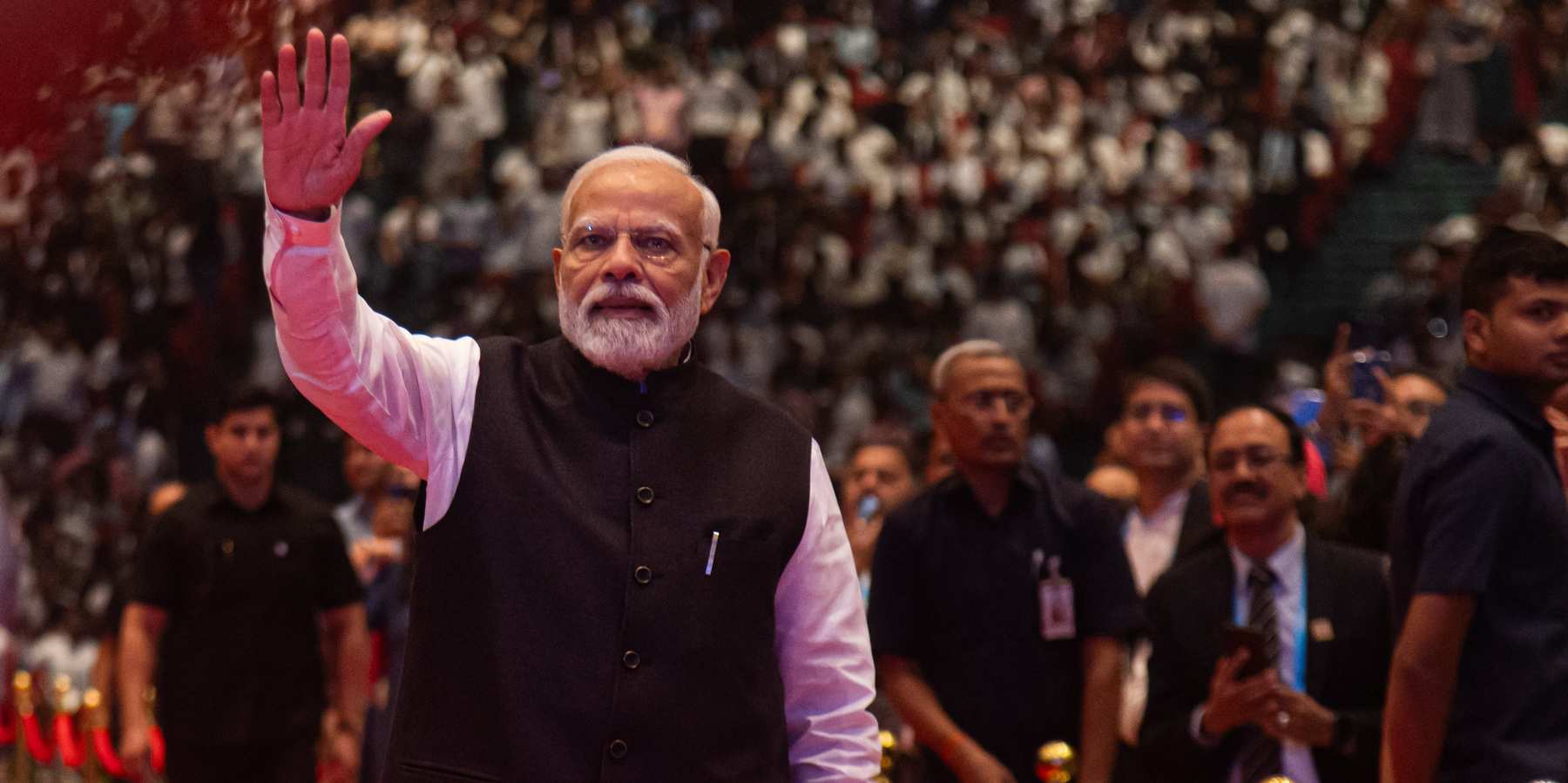
​India's Prime Minister Narendra Modi arrives at the Bharat Mandapam to inaugurate the Indian Mobile Congress 2023, in New Delhi, India on Oct. 27, 2023.

India's Prime Minister Narendra Modi arrives at the Bharat Mandapam to inaugurate the Indian Mobile Congress 2023, in New Delhi, India on Oct. 27, 2023.

Kabir Jhangiani/NurPhoto via Reuters

The United Kingdom and Japan recently hosted influential AI summits, spurring global conversations about regulatory solutions. Now, India wants in on the act, and it is set to host a major conference next month aimed at boosting trust in and adoption of artificial intelligence. But as concerns over the safety of AI grow, New Delhi faces a choice between taking a leading role in the growing international consensus on AI regulation and striking out on its own to nurture innovation with light regulatory touches.


India’s government has flip-flopped on the issue. In April, it said it would not regulate AI at all, giving entrepreneurs the leeway they need to build up a world-leading innovation environment. But just two months later, the Ministry of Electronics and Information Technology said India would roll out broad rules after all through the Digital India Act, a major overhaul of decades-old laws governing the tech sector that is still being drafted.

You can see the temptation for India to give the market free reign: AI is expected to add nearly a trillion dollars to India’s GDP by 2035. Its $23 billion market for the semiconductor chips that power AI is expected to nearly quadruple by 2028. The country also has a thriving tech startup culture – 80,000 firms bloomed between 2012 and 2020 – and world-class engineering schools, including the infamously competitive and rigorous Indian Institute of Technology system. Major domestic players like Tata and Reliance have attracted investment and partnerships with NVIDIA, the world’s foremost semiconductor designer, eager to build up new markets to replace Chinese business lost to US export controls.

So why shouldn’t India press its advantage? Well, it’s not as if New Delhi is immune to the disruptions and dangers AI potentially poses. The same concerns about malicious actors using the technology to spread disinformation or conduct cyberattacks apply to India, and being the odd country out when even China is joining efforts to set global rules of the road may not be the best look. We’ll get a better sense of India’s preferred policy direction when they host the annual summit of the OECD’s Global Partnership on Artificial Intelligence on Dec. 12-14.



More For You

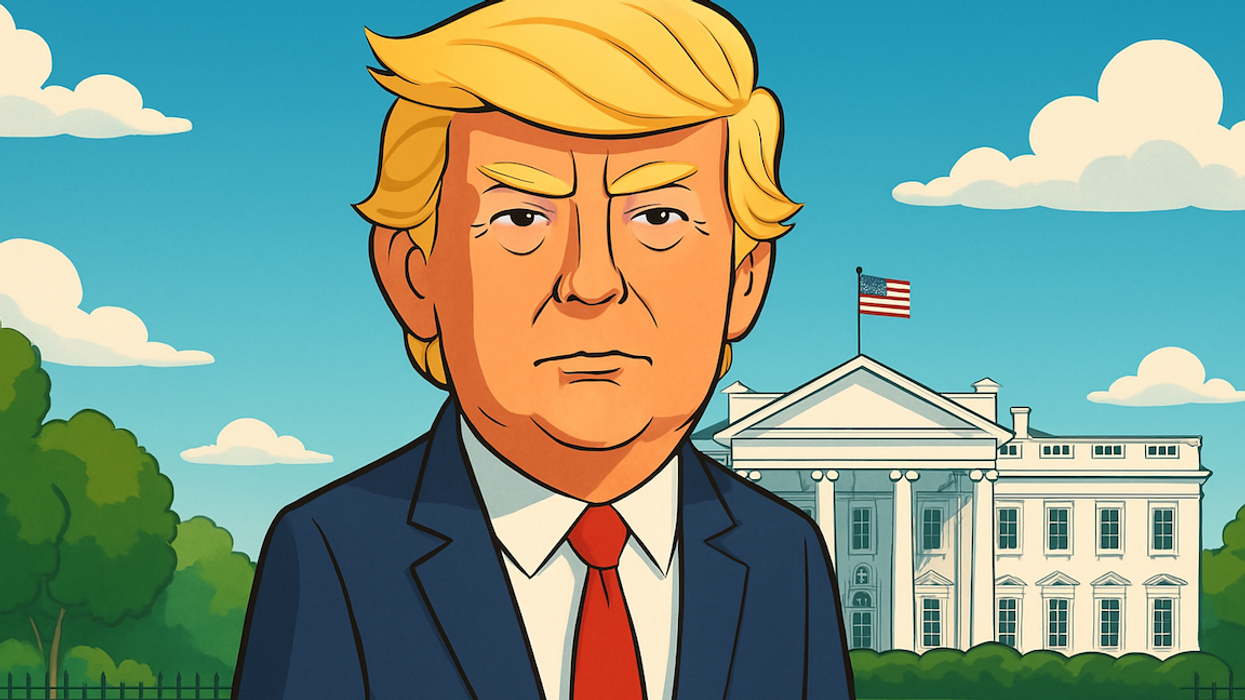
What we learned from a week of AI-generated cartoons
Courtesy of ChatGPT
Last week, OpenAI released its GPT-4o image-generation model, which is billed as more responsive to prompts, more capable of accurately rendering text, and better at producing higher-fidelity images than previous AI image generators. Within hours, ChatGPT users flooded social media with cartoons they made using the model in the style of the [...]
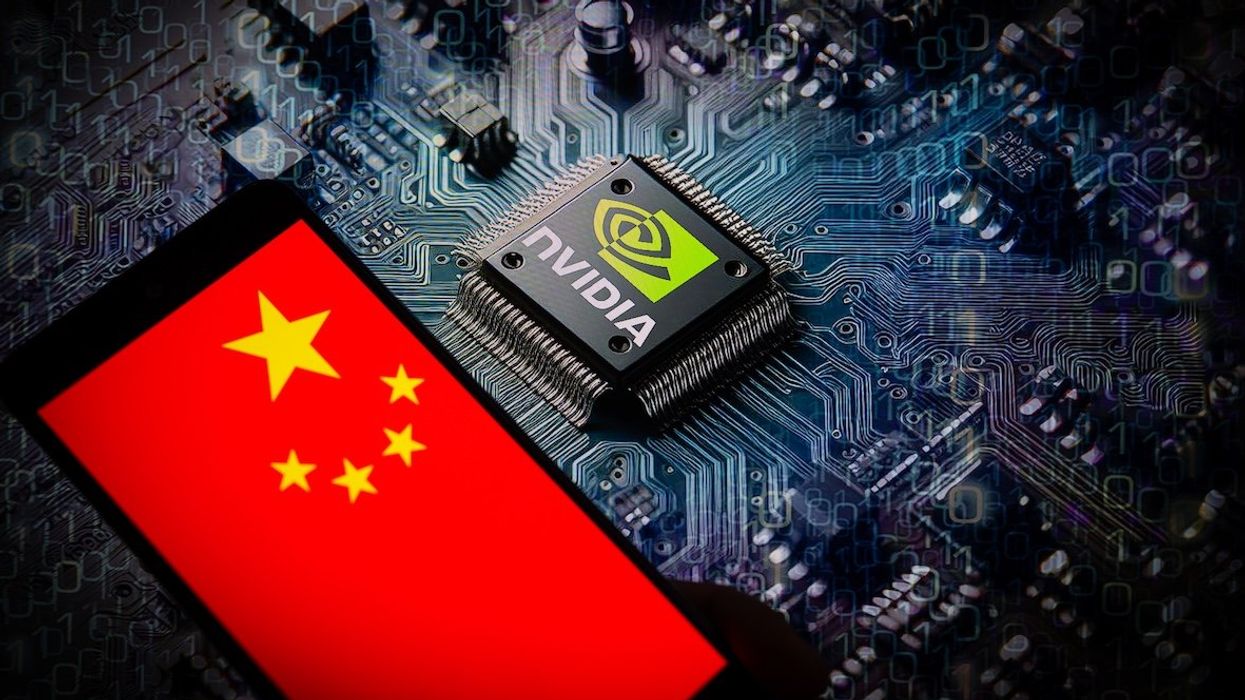
The flag of China is displayed on a smartphone with a NVIDIA chip in the background in this photo illustration.

The flag of China is displayed on a smartphone with a NVIDIA chip in the background in this photo illustration.

Jonathan Raa/NurPhoto via Reuters
H3C, one of China’s biggest server makers, has warned about running out of Nvidia H20 chips, the most powerful AI chips Chinese companies can legally purchase under US export controls. [...]
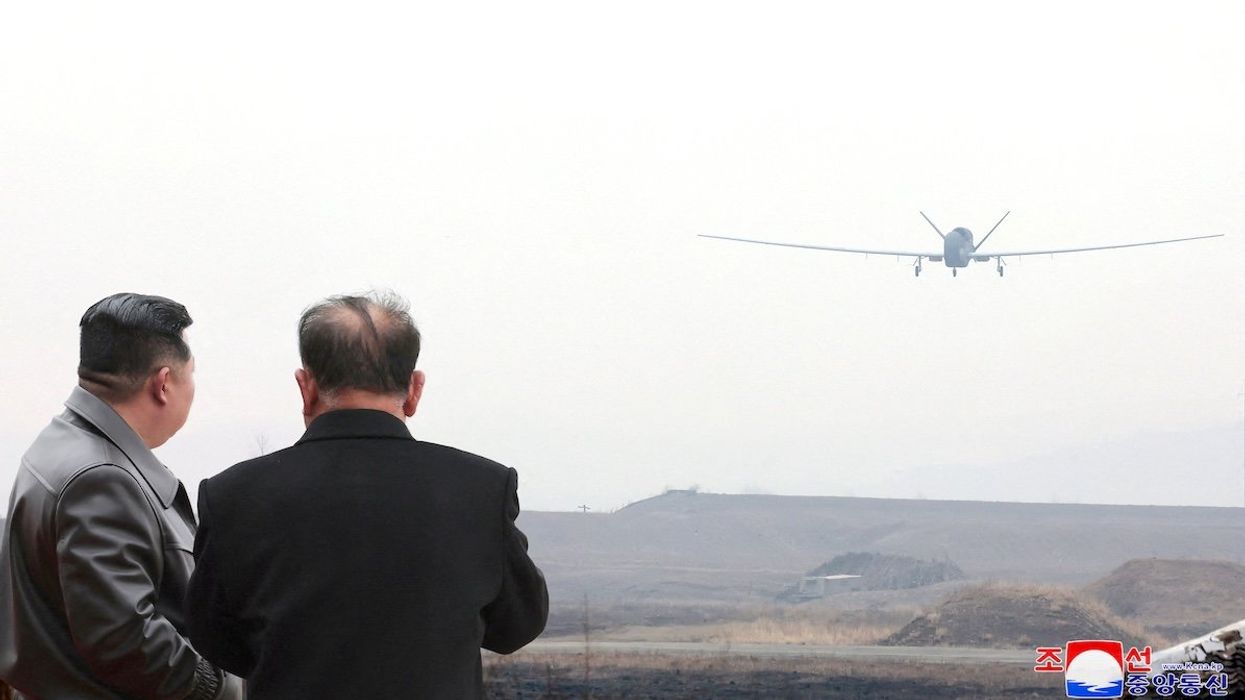
​North Korean leader Kim Jong Un supervises the test of suicide drones with artificial intelligence at an unknown location, in this photo released by North Korea's official Korean Central News Agency on March 27, 2025.

North Korean leader Kim Jong Un supervises the test of suicide drones with artificial intelligence at an unknown location, in this photo released by North Korea's official Korean Central News Agency on March 27, 2025.

KCNA via REUTERS
Hermit Kingdom leader Kim Jong Un has reportedly supervised AI-powered kamikaze drone tests. He told KCNA, the state news agency, that developing unmanned aircraft and AI should be a top priority to modernize North Korea’s armed forces. [...]
The logo for Isomorphic Labs is displayed on a tablet in this illustration.

The logo for Isomorphic Labs is displayed on a tablet in this illustration.

Igor Golovniov/SOPA Images/Sipa USA via Reuters
In 2024, Demis Hassabis won a Nobel Prize in chemistry for his work in predicting protein structures through his company, Isomorphic Labs. The lab, which broke off from Google's DeepMind in 2021, raised $600 million from investors in a new funding round led by Thrive Capital on Monday. The company did not disclose a valuation. [...]