The Iran war is causing the biggest energy shock in decades, with still no end in sight. As the conflict chokes off shipping through the Strait of Hormuz, which normally carries one-fifth of the world’s daily oil supply, prices are spiking, countries are rationing supplies, and governments are scrambling to shore up alternative energy sources.
Iran is also the second war in four years to disrupt world oil markets. After Russia’s full-scale invasion of Ukraine in 2022, Europe spent years weaning itself off Russian energy and put an increased focus on renewable energy sources, like wind and solar, as well as domestic stores of fossil fuels. But as oil flowing from the Middle East becomes increasingly unreliable, some see a silver lining: could the war in Iran catalyze a broader shift toward green energy? Or will polluting fuels like coal make a comeback, for reasons of cost and convenience? For advocates of green energy, there is no time to waste.
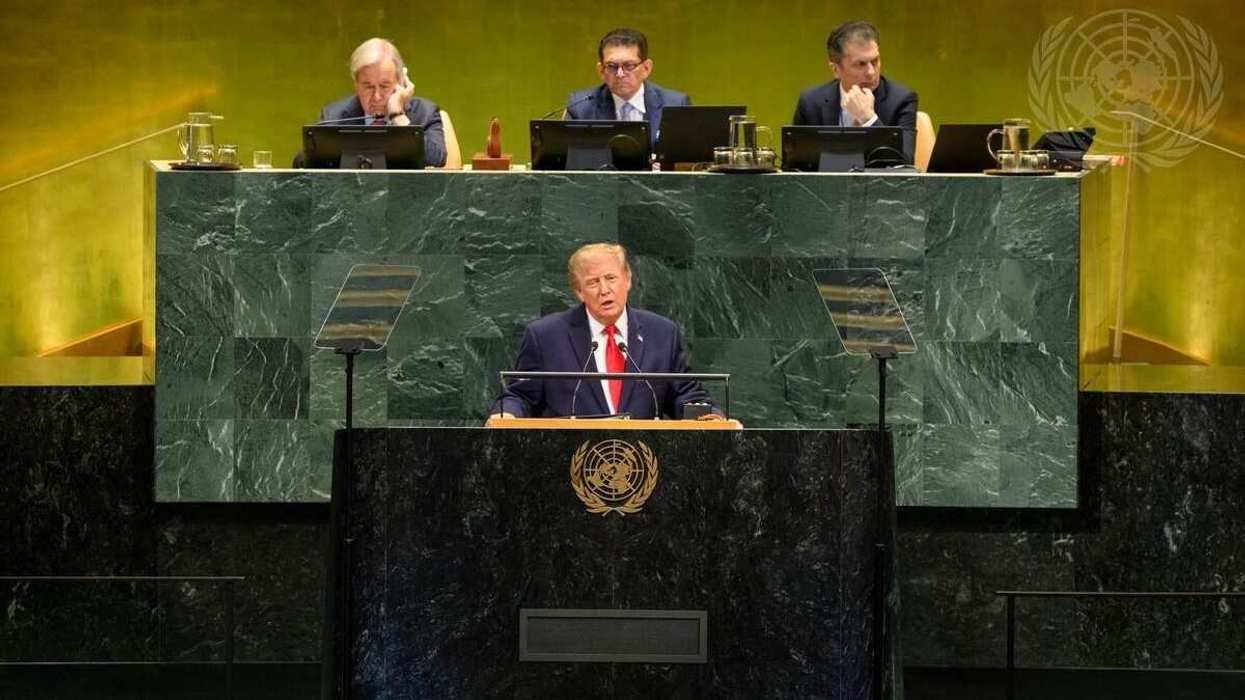
Energy security takes center stage. Around the world, policymakers and CEOs are calling for a pullback on imported oil and gas in the name of national security. United Nations Secretary-General António Guterres said last week that countries’ “addiction to fossil fuels is destabilizing both the climate and global security.” At the global CERAWeek energy conference in Houston last week, several executives echoed this point: investing in renewables is necessary not just to curb emissions, but to reduce reliance on volatile energy markets.
Henning Gloystein, a Eurasia Group energy expert, agrees. “For any import-reliant country, the disruption sends a clear economic and political signal to invest in clean and domestic energy infrastructure to reduce import dependencies while also combating pollution and climate change,” he says.
Countries in Asia and Europe, Gloystein notes, are already studying options to double down on the green transition, in renewable and even nuclear energy in some places, to avoid another fuel disruption in the future. And some are moving quickly. Last Tuesday, the United Kingdom announced new rules requiring developers to install solar panels and geothermal heating systems in all new homes by 2028. Energy Secretary Ed Miliband stated that the Iran war “has once again shown our drive for clean power is essential for our energy security.”
China, meanwhile, is leaning heavily into clean energy. Last year, China emerged as the world’s first “electrostate,” which Eurasia Group explained in this year’s Top Risks report. Once the most fossil fuel-dependent major economy, China now accounts for half of global solar panel installations, 60% of electric vehicle sales, and two-thirds of global growth in electricity demand since 2019. Gloystein says Beijing’s increased use of electric power means it has likely hit its peak oil demand and could also reach its peak demand for imported natural gas as early as this year, putting it in a stronger position to withstand oil shocks.
The constraints: supply chain snags. Even with renewables supplying close to half of Europe’s electricity in 2025, scaling further won’t be easy – especially if shipping disruptions in the Strait of Hormuz persist.
For example, large wind projects underway in Europe could be delayed, since several crucial parts for turbine foundations and offshore substations are manufactured in the Gulf. The disruption is also slowing the transport of aluminum, which is needed to build solar panels, since the Middle East accounts for nearly 10% of the metal’s production. Iranian strikes over the weekend on two of the region’s largest aluminum producers in Bahrain and the United Arab Emirates also pushed prices near four-year highs.
The fallback: more fossil fuels. In the short term, some countries are looking to a retro, highly polluting fuel source. Vietnam, Thailand, and Bangladesh are burning more coal to bridge supply gaps, while South Korea is lifting limits on coal-fired power generation in response to the Iran conflict.
Others, such as India, Poland, and Germany, may boost domestic coal production to reduce reliance on imported gas, Gloystein notes. India has the world’s fifth-largest coal reserves, while Poland has a longstanding dependence on coal. Germany, meanwhile, is reportedly considering turning to its idle coal plants, which power companies believe could cut electricity prices by more than half.
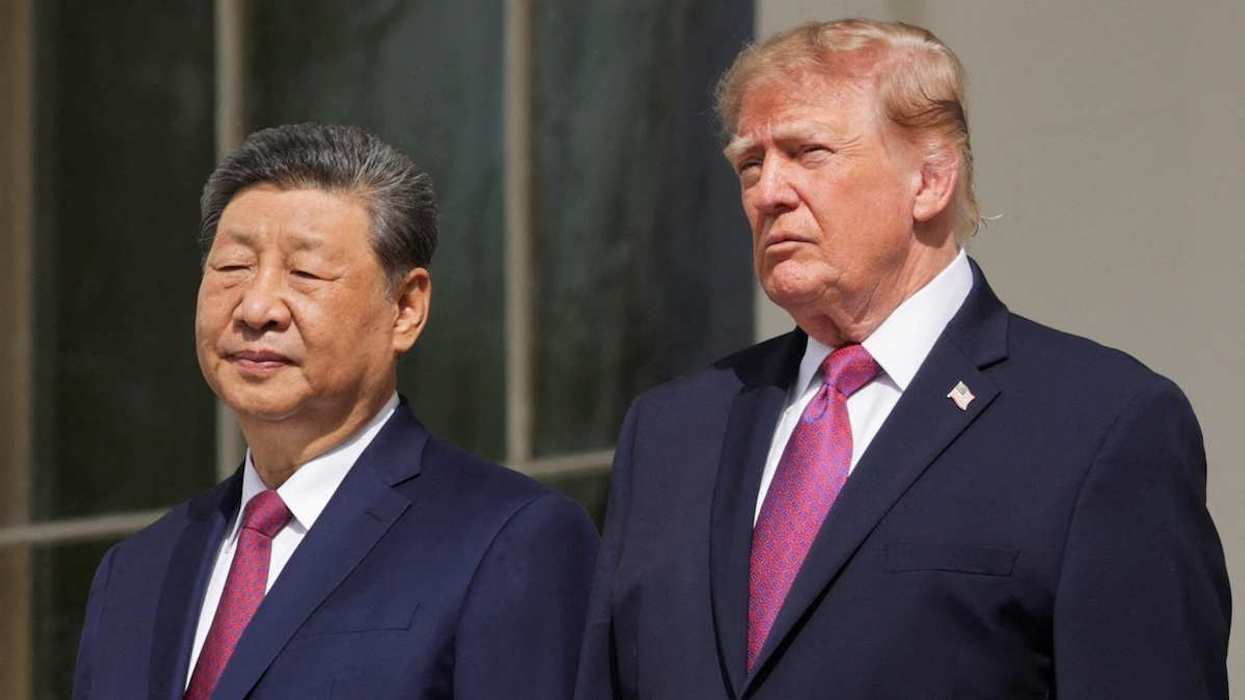
Drill baby drill? High energy prices may also revive interest in drilling and give an opening to opponents of green power. For example, US President Donald Trump, who has been trying to halt construction of wind projects since returning to office, announced the US would pay a French company $1 billion to abandon plans to build offshore wind farms and instead pursue fossil fuel projects. Green energy advocates warn of a risk of “carbon lock-in,” where crisis-driven fossil fuel expansion delays the transition it is meant to accelerate.
The paradox is clear: the same shock that underscores the urgency of clean energy may also slow its adoption. The war in Iran could have a lasting impact on energy markets by aligning climate goals with countries’ long-term security interests. The question is whether that transition can move fast enough before the world defaults to the familiar, if volatile, fossil fuels.