Every year, they try to tell us the Olympics aren’t political — and every year, we are reminded that’s nonsense. This week, French authorities made arrests to thwart suspected terror attacks linked to the Paris Summer Games, and just hours before the opening ceremony today, France’s high-speed rail network withstood attacks that resulted in multiple fires and delays.
The SNCF rail firm described it as “a massive attack aimed at paralyzing the network,” noting that fires were deliberately set to target TGV installations. At least 800,000 customers were affected as trains were diverted and canceled on Friday, and rail operators warn that needed repairs could mean disruptions extend through the weekend.
These disruptions in the run-up to the start of the Games are stark reminders that the Olympics have always been intertwined with politics and global tensions – and that there is a long history of them being more than just sporting spectacles.
From its earliest beginnings in ancient Greece, the on-field athletics have been a forum for off-the-rails politics: alliances, conflicts, and intrigues among the city-states. And in its modern incarnation, the Games have been no less political.
How could they not be? They’re a weaponless metaphor for war among nations. Who gets to host, compete, and win is a matter of priceless prestige and, of course, big money. What happens after the torch is lit is often a reflection of political battles that are going on elsewhere around the world.
This year will be no different. Here are three things to watch:
The US-China beef over dope. In 2021, nearly two dozen Chinese athletes tested positive for performance-enhancing drugs before the Tokyo Games.
The World Anti-Doping Agency, aka WADA, declined to investigate further because the samples were collected by Chinese anti-doping officials who said the athletes had been contaminated by hotel food (really, they said this). WADA had no authority to push further, it said. The athletes are now in Paris, ready to compete.
The US government, however, has opened its own probe into WADA’s response. This has greatly annoyed the Olympic bigwigs. On Wednesday, the IOC awarded the 2034 Winter Games to the US on the condition that American leaders fight to scrap the investigation. Fat chance of that happening.
The US and China locked in a dispute about science that a multilateral organization is feebly trying to tamp down? It’s COVID-24!
The long shadow of Gaza: In 2023, Russia — along with its mini-me, Belarus — was banned from Olympic competitions over the Kremlin’s invasion of Ukraine.
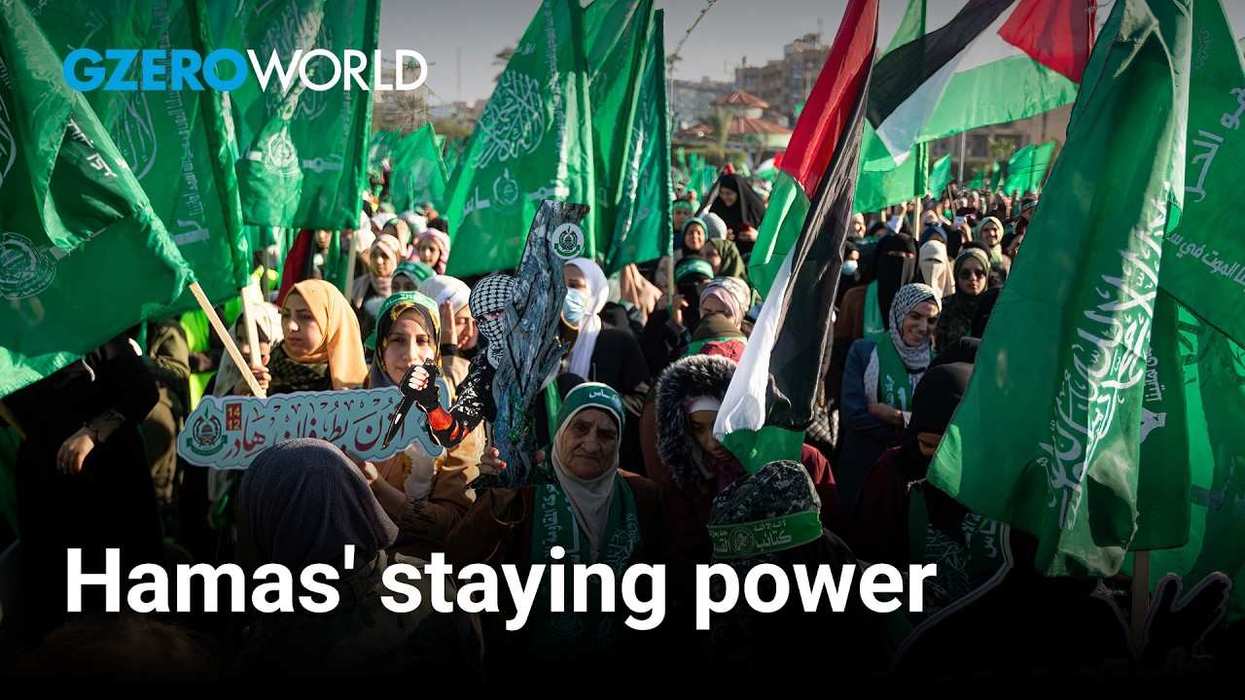
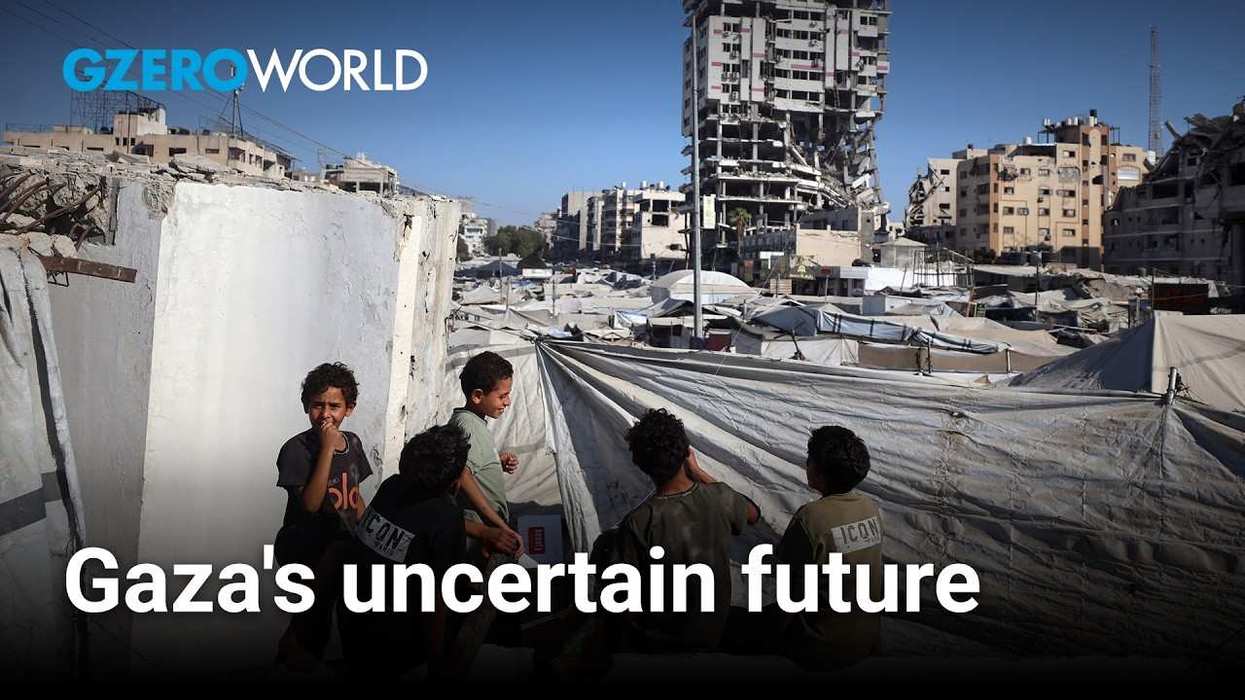
This year, Israel has been in the spotlight over its invasion of Gaza in response to the Oct. 7 Hamas attacks. With the ICC having issued an arrest warrant for Israeli Prime Minister Benjamin Netanyahu over alleged war crimes, pro-Palestine activist groups have called for Israel’s isolation and exclusion. A far-left French politician caused an uproar by saying Israeli athletes were “not welcome” in Paris. More officially, the Palestinian Olympic Committee has petitioned, in vain, for Israel’s exclusion on the grounds that the invasion has killed hundreds of Palestinian athletes.
Meanwhile, days before the opening ceremony, German sportswear company Adidas was in hot water for selecting Palestinian-American model Gigi Hadid, an outspoken supporter of Palestinian aspirations, to be the face of an ad reintroducing a 1972 model sneaker. Critics immediately pointed out that it was poor judgment: 1972 was the year Palestinian terrorists killed 11 Israeli athletes at the Munich Olympics. Critics of the critics, meanwhile, said it was unfair to conflate support for Palestine with terrorism.
Whether it’s protests or political statements, expect the war in Gaza to figure prominently in the Games again before long.
The state of the stateless. In a competition among nation states, there is one group of athletes who represent none. This year there are 37 athletes on the IOC’s Refugee Team, the largest contingent of refugee and asylum-seeker athletes since the team was created in 2016.
They hail from 11 countries, including Syria, Sudan, Iran, and Afghanistan, which have seen some of the world’s worst refugee crises in recent memory. They include female breakdancer Manizha Talash, who fled the Taliban; weightlifter Yekta Jamali Galeh, a refugee from the Iranian theocracy; Syrian-born taekwondo fighter Adnan Khankan, who fled the civil war as a child; and Eritrean runner Tachlowini Gabriyesos.
The team itself has stoked controversy: Havana, for example, has disputed the inclusion of two Cuban athletes who it says are defectors and not victims of persecution or displacement.
But the refugee team’s growing size is a reflection of a broader, grim reality: There are currently 110 million people displaced from their homes around the world – the highest number since the World War II era.