The way Vladimir Putin tells it, one of his great teachers in life was a rat.
As a boy in Leningrad, he once chased a particularly fat one down the hallway of his apartment building. Cornered, the squealing creature turned on young Putin and tried to bite him. Terrified, the boy fled into his parents’ apartment, slamming the door in the rat’s face.
The lesson, Putin recalls, was clear: never put someone’s back against the wall — because you don’t know what they’ll do when desperate. Six days into Russia’s invasion of Ukraine, there are two ways this rat from the 1950s can help us understand what’s going on in Eastern Europe today.
The first is that the Ukrainians, cornered by the world’s fifth-largest army, are putting up a surprisingly tenacious fight from their end of the hallway.
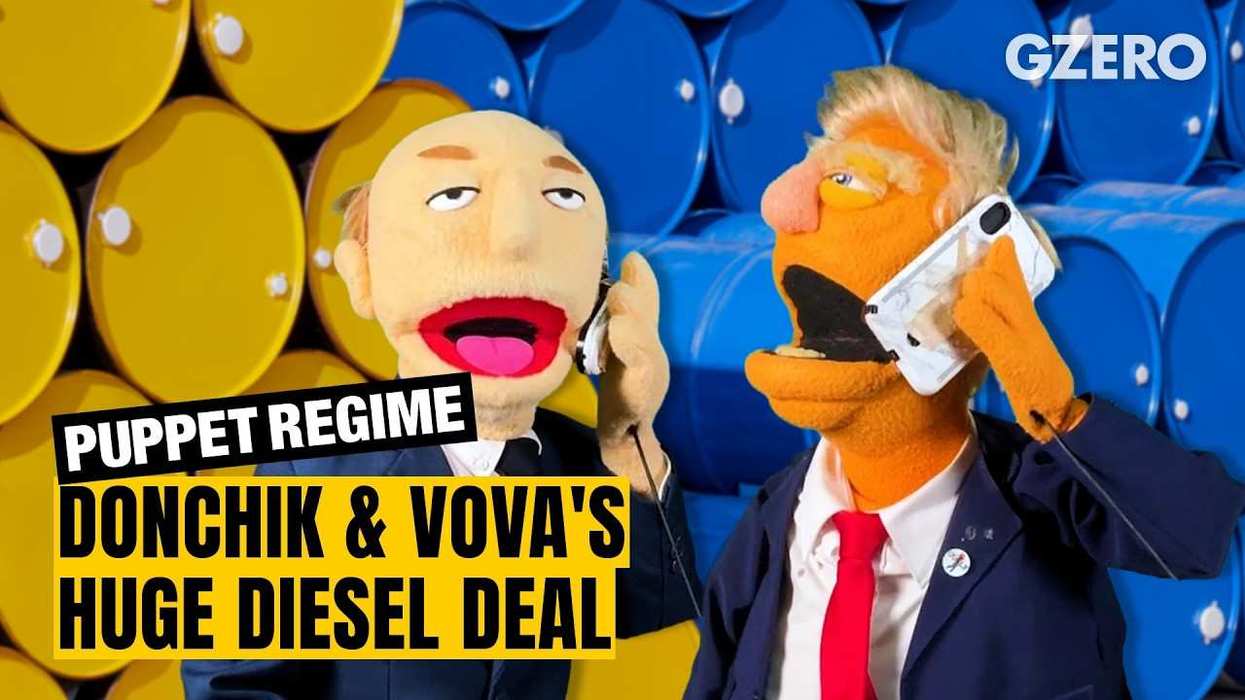
Ukrainian resolve, and a sloppy start to Russia’s campaign, have helped Kyiv hold off the Kremlin’s armies longer than many had expected. This has created a big problem for the Russian president. He needed this invasion to be, as the Russian saying goes, “a short, victorious war.” A swift strike into Kyiv, and onwards with the work of installing a pro-Russian puppet regime and mending fences with the West.
A quick victory like that would have done three important things. It would have minimized civilian casualties and physical destruction, making it easier to hold, control, and co-opt Ukraine afterward.
It also might have blunted Western resolve on sanctions. After a swift collapse in Kyiv, Europe and the US might have simply sought to manage a cold peace rather than punish Russia for a hot war.
And importantly, it would have made it easier to hide a conflict that may not be popular with the Russian population.
To be fair, scattered protests aside, it’s hard to gauge Russian popular sentiment about the conflict so far. But it’s telling that the government and state TV have gone to such great lengths to conceal the extent of what’s happening. Official channels focus mainly on the Donbas, even as Russian artillery now pounds Kyiv and Kharkiv, Ukraine’s second biggest city. News programs in Russia don’t refer to this as a “war,” which has given rise to a new Russian meme: Leo Tolstoy’s famous novel is now called “Special Operation and Peace.”
Putin is now facing an enraged and highly motivated Ukrainian resistance, crippling Western sanctions, and the prospect of a much longer conflict than Russians may tolerate. It’s hard to imagine that Putin’s next approval ratings will show a 20-point jump like the one he enjoyed after bloodlessly annexing Crimea in 2014.
All of this takes us down the hallway to the second interpretation of the rat story: in which Putin himself is now boxed into a situation in which he must escalate in order to survive. After all, to back down now — with Kyiv still standing and the internet swooning over Ukrainian President Volodymyr Zelensky — would be a humiliation on the global stage. It would also raise uncomfortable questions about Putin’s judgment at home.
The worrisome part of all this is that Putin can still escalate this war to terrifying heights. His recent move to put nuclear forces on alert was meant to send a message about how far escalation might go, but experts say Putin still has a lot more conventional firepower to throw.
“The bulk of Russian military capabilities have not made it into this fight,” CNA’s Michael Kofman, a top military analyst of this conflict, recently told the War on the Rocks podcast. “And if that happens, it’s going to get far uglier than anything we’ve seen.”With missiles raining down on central Kharkiv and a 40-mile convoy of armor grinding towards Kyiv, that looks like it’s already on the cards.
As things get worse, the West will come under increasing pressure to enter the conflict more directly. Meanwhile, Russian retaliation with cyberweapons or energy could hurt Western populations in ways they aren’t fully prepared for.
Putin — cornered and desperate — can inflict immense pain both inside of Ukraine and beyond it.
How should the world respond?