Pakistan the peace broker?
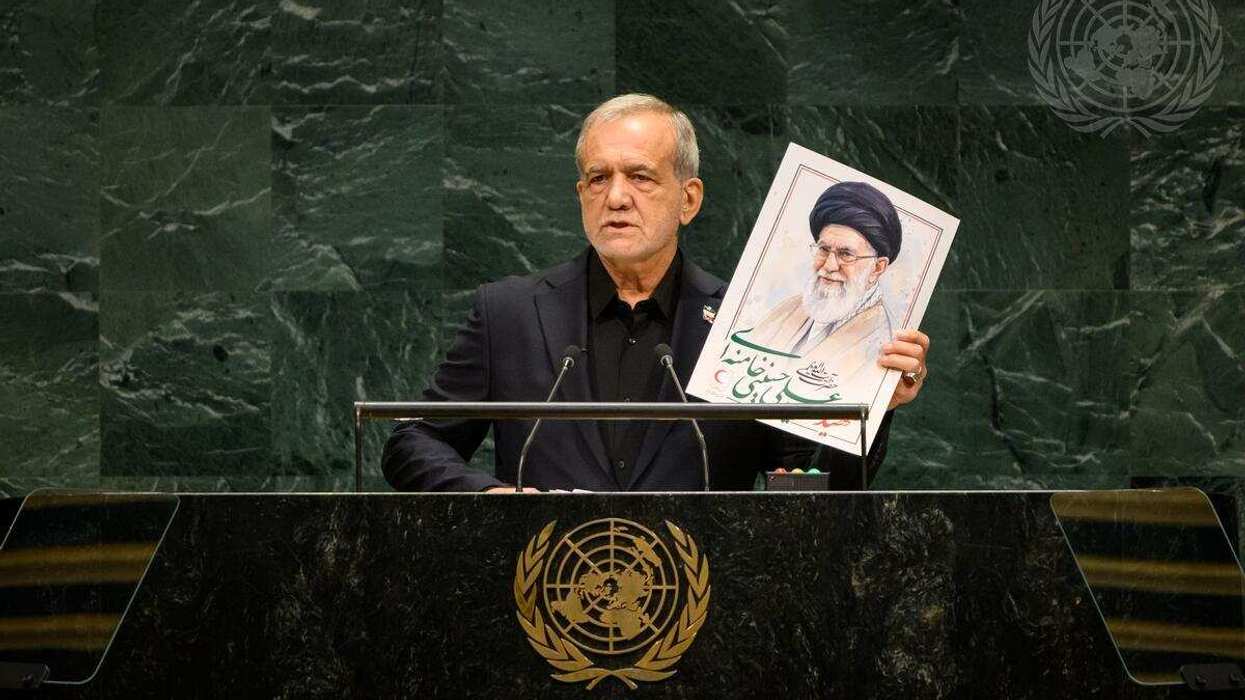
As the Iran conflict continues to rage on, one country has emerged as a potential mediator. Pakistan said on Thursday it is relaying messages between the US and Iran, and Iranian officials suggested they’d consider meeting US negotiators in Islamabad over the next week, per The New York Times. Israel also reportedly took Iranian Foreign Minister Abbas Araqchi and Parliamentary Speaker Mohammad-Bagher Ghalibaf off its hit list at Pakistan’s request. Pakistan is uniquely positioned to serve as a potential mediator. Their top brass has cultivated close ties with US President Donald Trump, yet condemned US and Israeli initial strikes on Iran last month (albeit without naming Washington). Like Iran, Pakistan is a non-Arab, Muslim country and has one of the largest communities of Shiite Muslims outside of Iran. Diplomatically, Islamabad has kept up communications with officials in Tehran, even as the de facto closure of the Strait of Hormuz has strained its energy supplies.
Energy disruption squeezes Asian economies
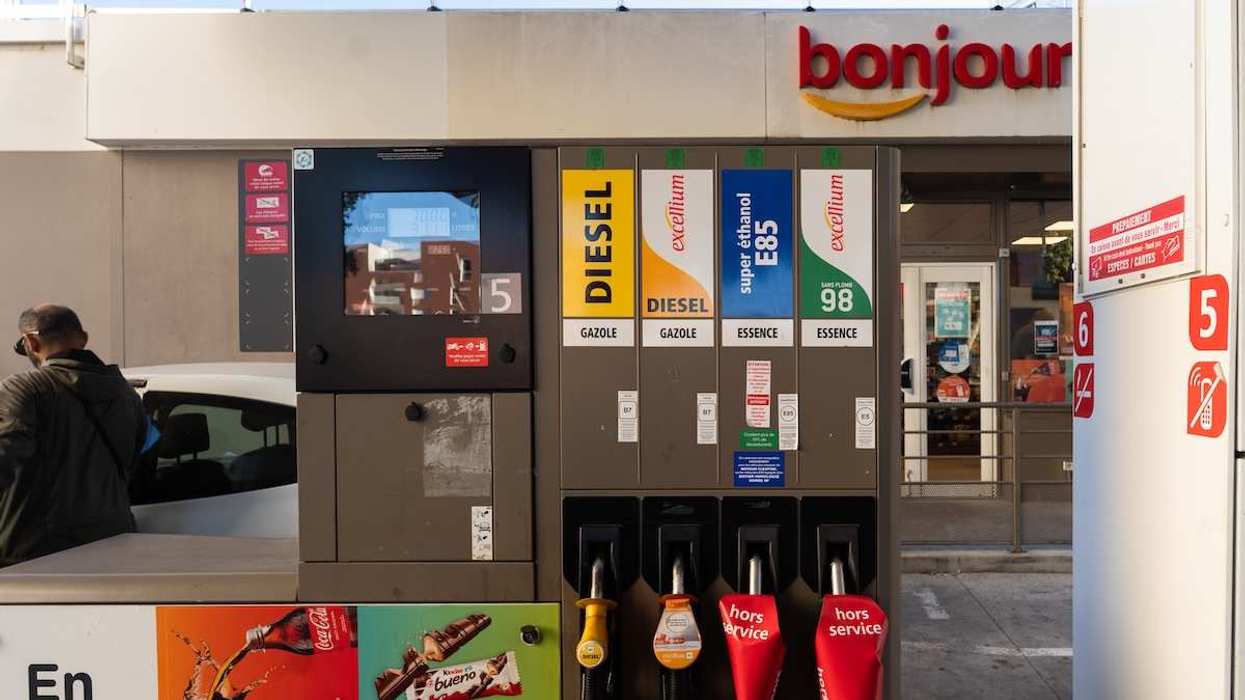
Over 4,000 miles away from Iran, transportation workers in the Philippines are calling for mass protests today and tomorrow over the spike in fuel prices as a result of the Iran war. It comes after Philippine President Ferdinand Marcos declared a state of “national energy emergency,” urging citizens to conserve fuel and offering 5,000 pesos each to tens of thousands of drivers. The country imports 90% of its oil from the Middle East, a supply disrupted as Iran blocks Gulf shipments through the Strait of Hormuz. The war’s impact on the Philippines is echoed through parts of Asia, where many countries are similarly reliant on crude that passes through Hormuz. Vietnam, Pakistan, and Thailand, for example, are tapping the pandemic-era playbook of urging people to work from home to conserve fuel.
Gender pay gap widens in world’s largest economy
It’s Equal Pay Day in the world’s largest economy, and for a second year in a row, the gender pay gap has widened. According to the Census Bureau, women working full-time, year-round in the United States now make 81 cents on every dollar men earn – down from 83 cents a year ago, and 84 cents the year prior. Keep in mind, the data the Bureau used to calculate the most recent pay gap is from 2024, under former President Joe Biden, so how equal pay is faring under the Trump administration isn’t apparent yet. Globally, the US ranked 42nd out of 148 countries for gender parity in a World Economic Forum report for 2025, which measures things like economic participation, education, and political empowerment. While no country has achieved this, Iceland continues to lead the world as the only economy to close over 90% of its gender gap to date.