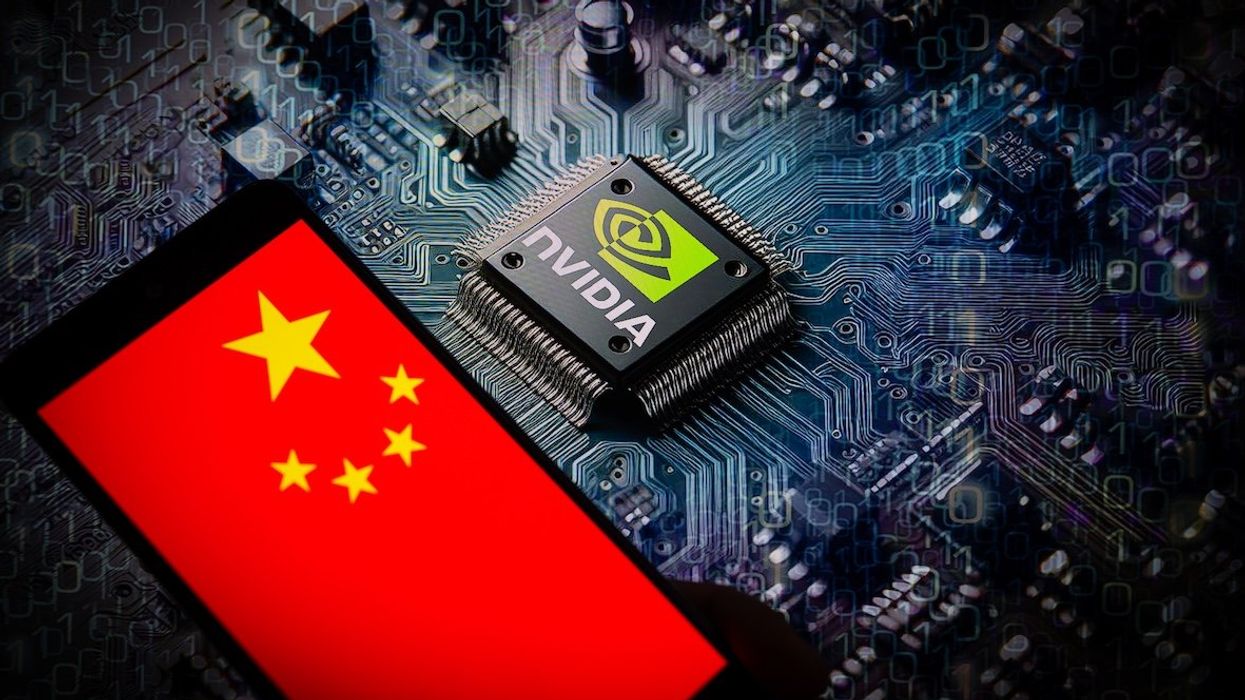
But when the Chinese startup DeepSeek released its AI models in January, claiming they matched American ones in performance at much cheaper prices to develop, the US lead was suddenly called into question. If DeepSeek can be believed, they achieved a huge technological advance without unfettered chip access — an affront to the US government’s export controls that, it thought, were keeping China at bay.
After DeepSeek, China is emboldened
Now, the Chinese tech industry seems emboldened, with a slew of new releases from startups and incumbents alike. This breakthrough has jumpstarted AI development across China that has, in an instant, changed global tech competition and reshaped Beijing’s tech strategy.
Alibaba, Tencent, and Baidu, along with newcomers like Manus AI, have since released their own advanced models. Many of these are available for free as open-source software, unlike the subscription models of OpenAI and others.
“DeepSeek shifts the narrative — not by immediately putting China ahead, but by undermining America's AI dominance and forcing Silicon Valley giants onto the defensive much sooner than anticipated,” said Tinglong Dai, professor at Johns Hopkins Carey Business School.
“DeepSeek did two things: increase confidence in China's ability to innovate and convince policymakers to push hard on tech advancement now,” said Kenton Thibaut, senior resident China fellow at the Atlantic Council's Digital Forensic Research Lab.
At a press conference earlier this month, Chinese Foreign Minister Wang Yi wrote off America’s strict export controls. “Where there is blockade, there is breakthrough,” he said. “Where there is suppression, there is innovation; where there is the fiercest storm, there is the platform launching China’s science and technology skyward like the Chinese mythological hero Nezha soaring into the heavens.”
Beijing’s shifting focus
After DeepSeek, Thibaut notes, the Chinese government has signaled it will expand support to finance technological innovation — increasing its relending program budget, establishing a new national venture capital fund, allowing unprofitable firms to go public, and increasing mergers and acquisitions in the Chinese tech sector.
This is a major shift from just a few years ago when Beijing sought to put the explosive domestic tech sector in its place — infamously sinking the IPO of the rideshare giant Didi and closing a key loophole for companies going public on foreign markets in 2021.
Beijing’s incentives are now “aligned” with developing the domestic tech sector, Thibaut said, “Both are aligned on the understanding that companies have major incentives to localize — i.e. using domestically produced chips, even if they aren’t as good as NVIDIA’s — in the long term because of just how uncertain and unpredictable chip availability is and will be.”
And China's embrace of open-source AI models, which are freely available for the public to download and modify, has also raised eyebrows because it stands in contrast with the mostly closed Western models, with Meta’s Llama as a notable exception. If China can get its open-source models to be commonly used by Western developers, it could make an important stake in the global AI space. That said, the open-source model could hinder the economic benefits of AI in China — at least, in terms of making money directly off of these advancements.
For now, we’re witnessing a moment of confidence for China — one shared by both its government and tech sector. “Xi Jinping surely feels emboldened,” Dai said, “viewing this as tangible evidence of Western vulnerability and China’s rising trajectory.”