Mitch McConnell's calendar considerations

After a months-long investigation into whether President Donald Trump pressured Ukraine's president into investigating his political rivals in order to boost his reelection prospects in 2020, House Democrats brought two articles of impeachment against him, charging him with abuse of power and obstruction of Congress. Click here for our GZERO guide to what comes next.

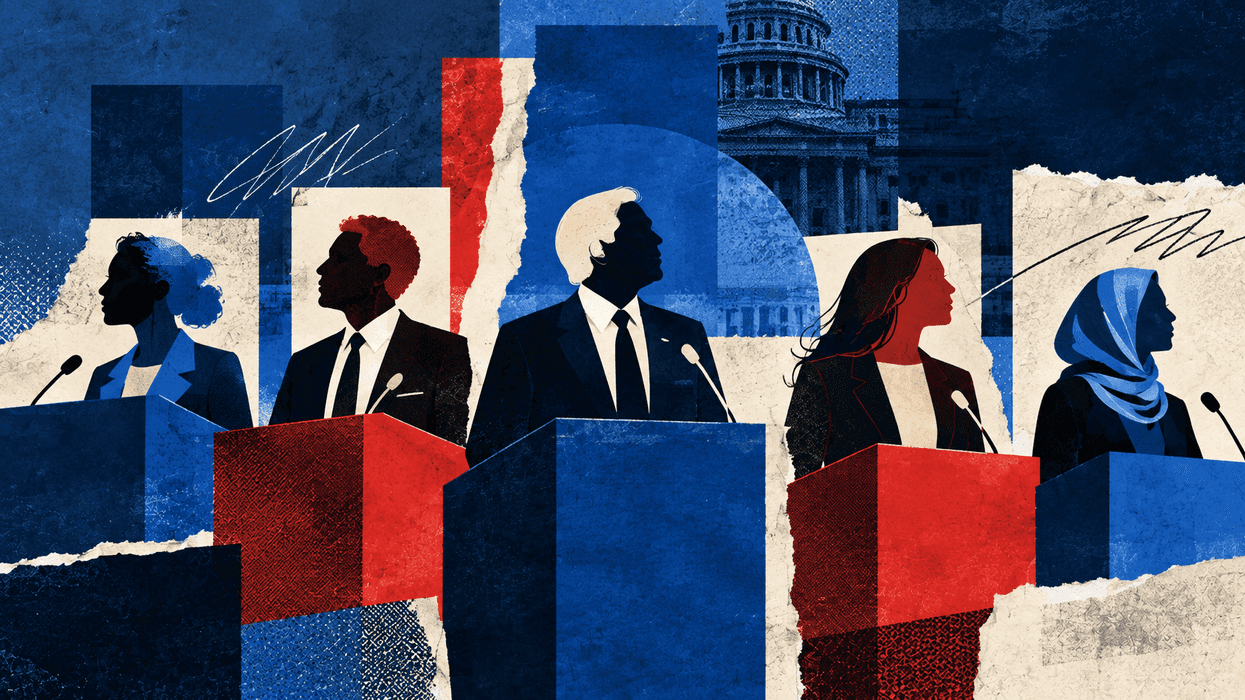
In the meantime, imagine for a moment that you are now Mitch McConnell, Senate Majority leader and senior member of Donald Trump's Republican Party. You've got big choices to make.


Once the House has impeached President Trump, you'll be the person who sets the timing of a Senate trial. And as it happens, this is the first impeachment trial in American history that will take place in an election year. That presents you with a unique opportunity.

If you wanted to, you could create real trouble for the Democratic Party's presidential candidates by scheduling the trial right before (and maybe during) those crucial first election contests.

Here's how.

The first Democratic nominating contest, the Iowa caucus, is set for February 3. The second, the New Hampshire primary, will take place on February 11.

Four of the major candidates for president—Elizabeth Warren, Bernie Sanders, Amy Klobuchar, and Cory Booker—are senators who would have to be present in Washington during the impeachment trial. You can make political mischief by scheduling the trial to keep them off the campaign trail at a crucial moment.

Should you do it?

Polls suggest that President Trump's toughest Democratic opponent would be Joe Biden, who is not a senator and would be free to campaign wherever and whenever he wants. Biden leads in national polls, but is currently polling outside the top three in both Iowa and New Hampshire. No Democrat since the birth of the modern primary system in 1976 has won the party's presidential nomination without winning one of those first two states.

That is to say: if you make mischief for Democratic senators running for president by keeping them away from voters, you may rescue the campaign of the one Democrat that polls say is most likely to beat President Trump.

Your calendar is open, Senator McConnell – what would you like to do?

In the end it wasn't even close. British Prime Minister Boris Johnson's Conservative Party won a stunning victory in the UK's snap elections yesterday, taking at least 364 seats out of 650, delivering the Tories their largest majority since 1987.

Johnson read the public mood correctly. After three years of anguish and political uncertainty over the terms of the UK's exit from the European Union, he ran on a simple platform: "Get Brexit Done." In a typically raffish late-campaign move, he even drove a bulldozer through a fake wall of "deadlock." Despite lingering questions about his honesty and his character, Johnson's party gained at least 49 seats (one seat still hasn't been declared yet).

More Show less

This holiday season, how concerned should I be about smart toys and their vulnerability to hacking?

You should be concerned both, that Internet connected toys can be hacked and also that they have shoddy privacy practices. And then the voice files of your kid talking to their teddy bear will end up in the cloud, accessible to all kinds of creepy people. On the other hand, Internet connected toys are great. Kids need to learn about technology. So, tradeoffs.

More Show less

David Miliband: Now that Boris Johnson has won a majority in the House of Commons, what's going to happen to Brexit?

If only Brexit could get done in 60 seconds? Because the result of the general election obviously means that Britain will leave the European Union, but it does nothing to clarify our future relations with the European Union. The Johnson victory is undoubtedly a very strong one, and he will try and interpret it as a victory for himself and for the Conservative Party and the attraction that they offer to Labour voters.

More Show less

Once a widely heralded human rights champion who was awarded a Nobel Peace Prize in 1991 for advancing democracy in Myanmar, Aung San Suu Kyi has now taken up a different cause: defending her country from accusations of genocide at the International Court of Justice in The Hague.

Yesterday was the court's final day of hearings over that country's military-led crackdown against the Rohingya Muslim minority in 2017, which left thousands dead and forced more than 740,000 people to flee to neighboring Bangladesh. Here's what you need to know about the proceedings.

More Show less