Skip to content
Search

Latest Stories

Analysis

In Sri Lanka’s elections, the system is on trial

As the island nation attempts to crawl its way out of a crippling economic crisis, Sri Lanka’s leading presidential candidates are promising a fairer shake for ordinary families — but will voters demand an upheaval of the entrenched aristocracy?

As the island nation attempts to crawl its way out of a crippling economic crisis, Sri Lanka’s leading presidential candidates are promising a fairer shake for ordinary families — but will voters demand an upheaval of the entrenched aristocracy?

REUTERS
Make us preferred on Google

As the island nation attempts to crawl its way out of a crippling economic crisis, Sri Lanka’s leading presidential candidates are promising a fairer shake for ordinary families — but will voters demand an upheaval of the entrenched aristocracy? The country heads to the polls on Saturday, Sept. 21.


Sajith Premadasa, leader of the main opposition United People’s Power party and son of the country’s third president, says that he will renegotiate the country’s International Monetary Fund deal to shift more of the burden onto wealthy citizens if he wins. Years of economic mismanagement led to food, fuel, and medicine shortages and mass protests, with then-President Gotabaya Rajapaksa and his brother (then-Prime Minister) Mahinda Rajapaksa fleeing the country in 2022. Mahinda Rajapaksa’s son Namal is also running for president today.

Rajapaksa’s close political ally Ranil Wickremesinghe has been running the country ever since and negotiated a bailout with the IMF that included fiscal reforms and tax increases. Inflation has fallen from 70% in 2022 to 0.5% last month, and the currency is gaining strength as foreign reserves increase. Whether voters are feeling those improvements in their daily lives will determine whether he stays in power.

Sri Lanka’s 1983-2009 civil war hangs heavily over the election as well. Premadasa has reached out to the minority Tamil community, who make up about 11% of the population overall but predominate in the north and east. The Liberation Tigers of Tamil Eelam fought for independence in those regions after a series of vicious anti-Tamil pogroms between 1956 and 1983, and atrocity after atrocity by both sides have deeply scarred the country.

Estimates of the death toll run over 200,000 people, not to mention hundreds of thousands more displaced, and thousands disappeared, tortured, and executed without a trace. If Tamil voters believe in Premadasa’s promises of devolution of power, they could tip the election in his favor — but with so much blood spilt, it will be a hard sell.

We also have our eye on Anura Kumara Dissanayake, who alone among the major candidates has no ties to the island’s elite families. He rose from humble roots to lead the National People’s Power coalition and is also promising to renegotiate the IMF deal and tackle pervasive corruption. However, he is not free of the taint of war: He is the leader of the Janatha Vimukthi Peramuna, a communist party behind the 1987-1989 uprising that killed at least 60,000 people.
More For You

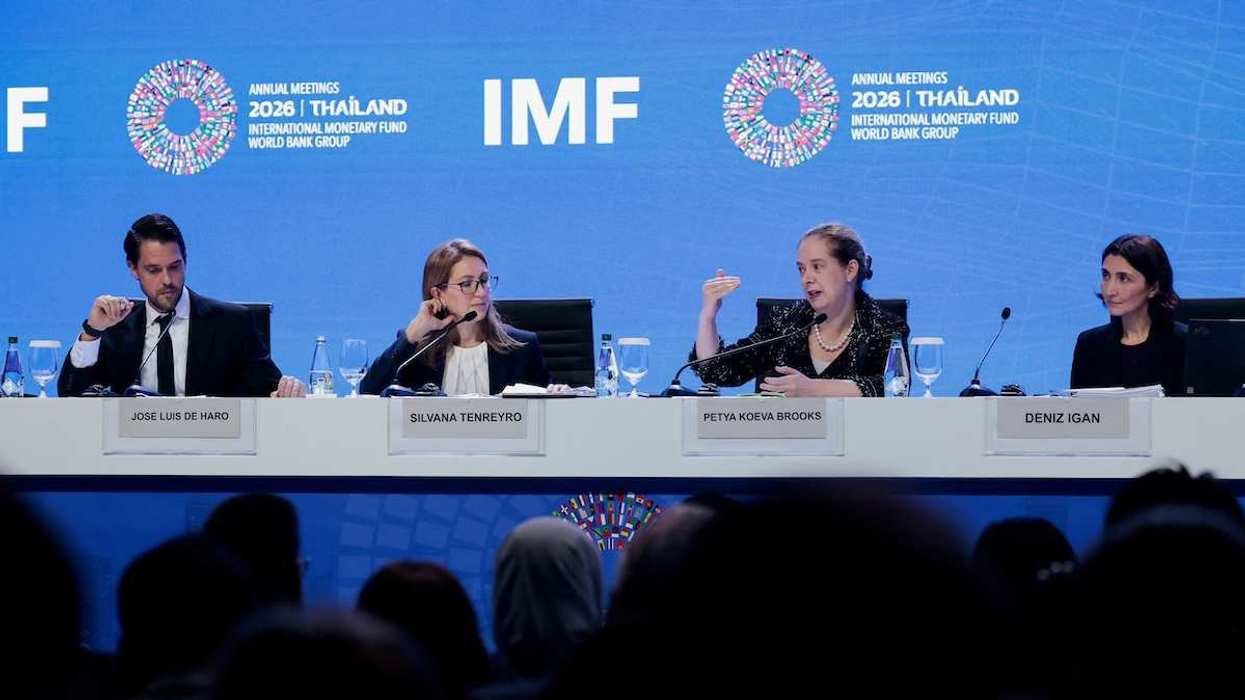
MF Communications Officer Jose Luis De Haro, Director of the Research Department at the IMF Silvana Tenreyro, Deputy Director of the Research Department at the IMF Petya Koeva-Brooks and Division Chief at the Research Department of the IMF Deniz Igan attend a press briefing during the IMF/World Bank 2026 Annual Meetings at Queen Sirikit National Convention Center (QSNCC)

IMF Communications Officer Jose Luis De Haro, Director of the Research Department at the IMF Silvana Tenreyro, Deputy Director of the Research Department at the IMF Petya Koeva-Brooks and Division Chief at the Research Department of the IMF Deniz Igan attend a press briefing during the IMF/World Bank 2026 Annual Meetings at Queen Sirikit National Convention Center (QSNCC) in Bangkok, Thailand, October 13, 2026.

REUTERS/Patipat Janthong
The people tasked with safeguarding the world’s financial stability are gathering in Bangkok, Thailand, this week. Central bankers, finance and development ministers, private sector leaders, civil society representatives, and academics from nearly 200 countries are attending the IMF-World Bank’s annual meetings to discuss soaring public debt, the [...]
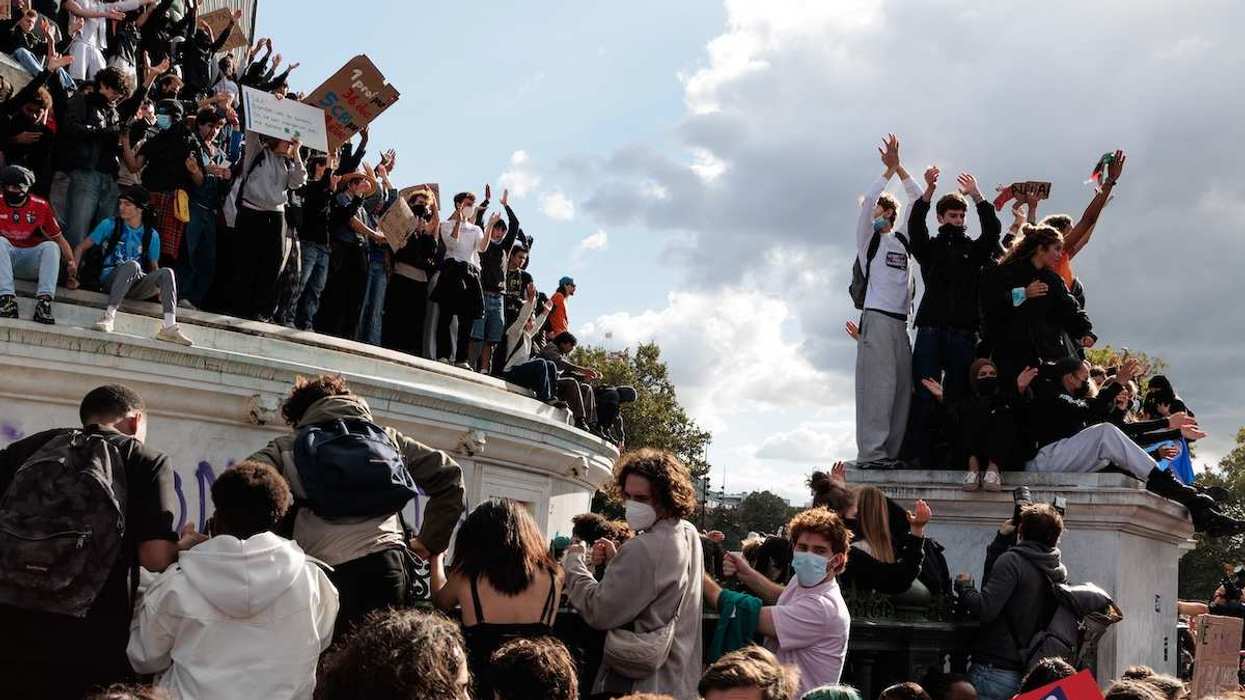
Students stand on the July Column during a high school and college student protest at Place de la Bastille in Paris, Ile-de-France, France, on October 8, 2026.

Students stand on the July Column during a high school and college student protest at Place de la Bastille in Paris, Ile-de-France, France, on October 8, 2026.

Gauthier Bedrignans / Hans Lucas via Reuters Connect
Many will associate that line with the classic musical “Les Misérables” set during the French Revolution. But today, it encapsulates the feeling of millions of students across France: miserable – and enraged. For weeks, students have walked out of classrooms and poured into the streets. What began last month as anger over teacher shortages, [...]
Who is “electable” in 2026?

Ballot drop boxes sit in a warehouse ahead of being distributed in Bucks County in Doylestown, Pennsylvania, U.S., September 25, 2026.

REUTERS/Hannah Beier
The United States is one of the few major economies that has never had a female leader. The UK elected Margaret Thatcher in 1979. Angela Merkel became Germany’s Chancellor in 2005. Julia Gillard became Australia’s first female PM in 2010, and last year, Sanae Takaichi did the same in Japan.The world’s largest economy and major superpower, [...]
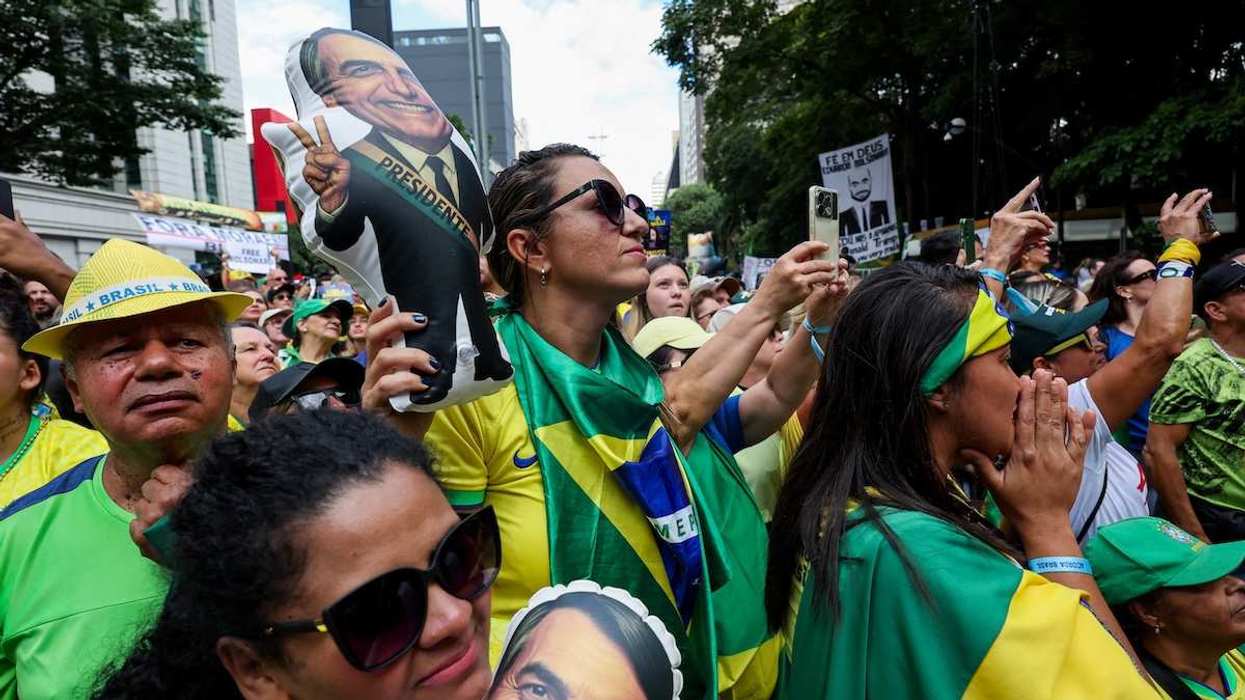
A person holds a depiction of former Brazilian President Jair Bolsonaro, as people gather on the day of a campaign rally of a pre-candidate of the right-wing Brazil's senator Flavio Bolsonaro, ahead of the presidential elections, in Sao Paulo, Brazil.

A person holds a depiction of former Brazilian President Jair Bolsonaro, as people gather on the day of a campaign rally of a pre-candidate of the right-wing Brazil's senator Flavio Bolsonaro, ahead of the presidential elections, in Sao Paulo, Brazil, March 1, 2026.

REUTERS/Jorge Silva
Brazilians head to the polls on Sunday to take the first step in deciding the future of Latin America’s largest economy, and potentially the political direction of the entire continent.The field is crowded, but two major players stand out: left-wing president Luiz Inácio Lula da Silva seeking a fourth nonconsecutive term, and right-wing Senator [...]