Skip to content
Search

Latest Stories

News

Uganda joins movement to tax Big Tech in Africa

An Uber taxi driver sits in his car in Nairobi, Kenya.

An Uber taxi driver sits in his car in Nairobi, Kenya.

REUTERS/Noor Khamis
Make us preferred on Google

Uganda’s parliament just passed a tax on foreign digital service providers, joining the growing number of African governments trying to recoup some of the massive revenues tech giants are generating within their borders.


The 5% levy would apply to companies like Meta, Amazon, Uber, Google, and other tech firms that pay minimum taxes to African nations because they don’t have headquarters on the continent. Uganda’s finance minister highlighted Uber — domestic drivers generate profits that go to Silicon Valley rather than the Great Rift Valley — as the main reason the tax was necessary.

The same argument could apply to the billions of dollars generated from the data of Africa’s 570 million-and-counting internet users. Nigeria, Kenya, and Tanzania have implemented similar levies on digital services.

But the Ugandan opposition fears that companies could push the costs of taxes onto locals that rely on digital platforms, from Uber drivers to content creators. Kenya, which implemented a 1.5% levy on digital services last year, is facing protests after proposing an additional 15% tax on content creators.

In 2021, the OECD began leading negotiations on a global digital tax, which has so far been stymied by the US, which is home to many of the companies that would be directly affected. The OECD argues that a digital tax is needed to revamp brick-and-mortar tax rules for the modern global economy, making companies pay taxes where they have customers or users, rather than just where they are headquartered.



More For You

Dario Amodei, CEO of Anthropic, speaks during the Anthropic Builder Summit.

Dario Amodei, CEO of Anthropic, speaks during the Anthropic Builder Summit in Bengaluru, India, February 16, 2026.

REUTERS/Priyanshu Singh
The “prisoner's dilemma” with AI regulationIn recent days, the bosses of the top US AI companies have supported more stringent regulation of the industry. Their statements came after a viral post from an Anthropic employee who said he quit over fears that AI could “kill us all.” A strong majority of US voters want more regulation, but the [...]
Brazilian Supreme Court scandal spills into presidential race
Natalie Johnson
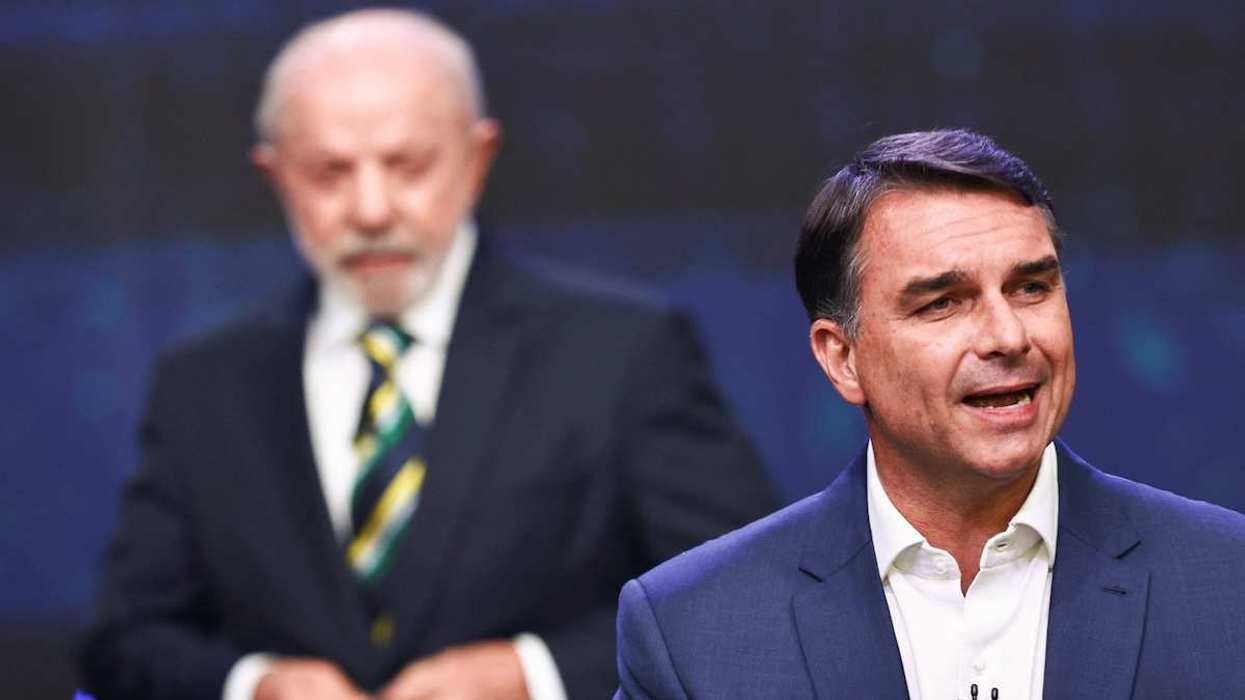
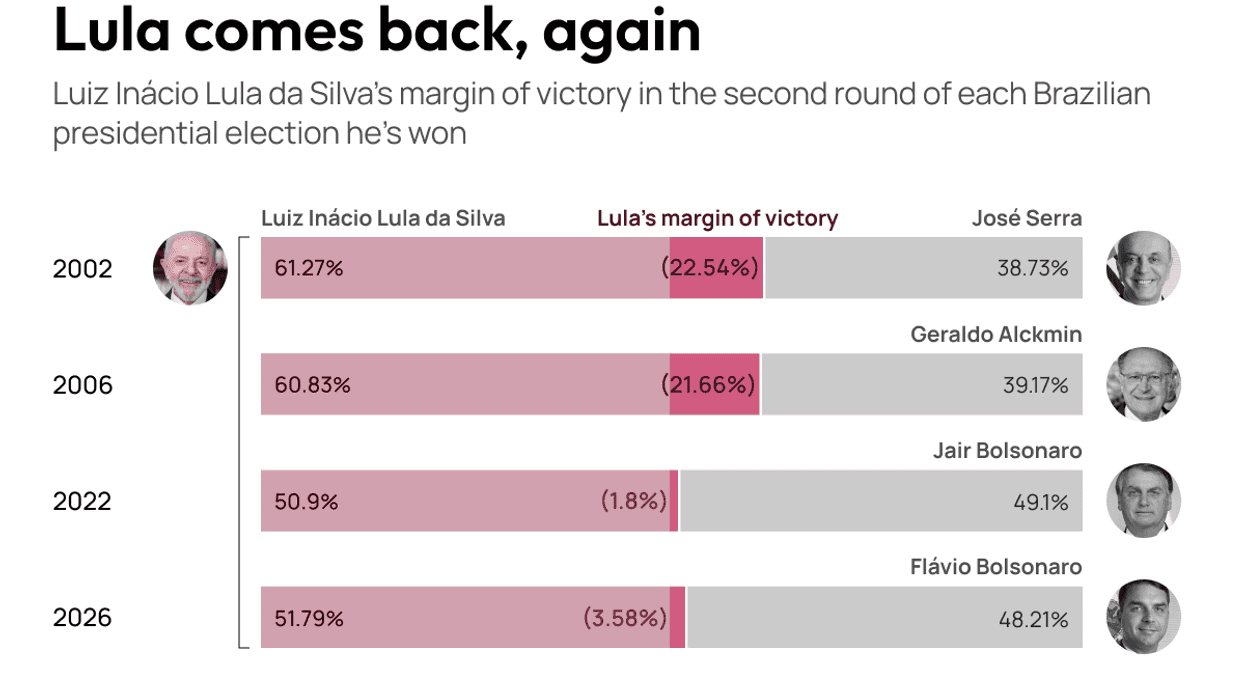
Lula’s lead over Bolsonaro has narrowed in recent days following a Brazilian Supreme Court scandal. Earlier this month, a police report disclosed alleged links between Justice Alexandre de Moraes and Daniel Vorcaro, the suspected ringleader of a multibillion-dollar bank fraud. Though he hasn’t been accused of any wrongdoing in the case, the crisis [...]
The enduring legacy of 9/11, with former Defense Secretary Mark Esper
This week marks 25 years since 9/11—the deadliest terror attack the world has ever seen and a defining moment in American history. The attacks transformed US politics and national security. The war on terror became the organizing principle of American foreign policy. Former Secretary of Defense Mark Esper joins Ian Bremmer on the GZERO World [...]
25 years after 9/11, how much has changed?
- YouTube
Twenty-five years after 9/11, how much has actually changed? 9/11 is one of those rare moments that divides history into a “before” and an “after.” On Ian Explains, Ian Bremmer looks back at the attacks that reshaped US foreign policy, launched the war on terror, and ushered in an era of military intervention, mass surveillance, and profound [...]