For the first three weeks of the Iran conflict, Europe made its position clear: this isn’t our war. Many countries on the continent joined the US-led invasion of Iraq in 2003, a move that wrought casualties and sweeping political backlash at home. They want to avoid a repeat – especially when the European public largely opposes this war, too.
Then, in the early hours of Friday morning, Iran fired a pair of missiles at the joint UK-US military base in Diego Garcia, a British-held island in the Indian Ocean that sits roughly 2,500 miles from Iranian shores. The missiles didn’t reach their target: one failed in flight, while the other appeared to be intercepted.
Though the strikes didn’t land, they were significant for two reasons. Firstly, they attempted to hit an island that belongs to a leading European country, one that – despite the 2016 Brexit vote – aligns itself closely with its neighbors on geopolitical matters. What’s more, the reach of the strikes suggests that Iranian missiles’ capabilities could be greater than what analysts previously believed. If missiles could reach a small island thousands of miles away from Tehran, they could potentially reach Western Europe, too.
The UK condemned the strikes but staunchly maintained its position that it would only be involved in the war in a defensive capacity.
“We will not be drawn into a wider conflict,” Foreign Secretary Yvette Cooper said on Saturday, “because we think we need to see as swift as possible resolution in the UK national interest but also to support regional stability.”
These weren’t the first strikes on Europe or NATO. Just two days into the war, there was an attempted drone strike on a British military base in Cyprus. On three separate occasions, NATO intercepted missiles in Turkish airspace – the intended destination of these projectiles wasn’t clear, though.
At arm’s length, sort of. Europe has grown increasingly distrustful of the United States since Donald Trump returned to office last year. Trump gave European allies little warning before launching strikes on Iran with Israel last month — the German chancellor, for example, was reportedly given a heads-up just “minutes” before the strikes began. As such, it was no surprise that European leaders initially rejected Trump’s request to help him reopen the Strait of Hormuz.
However, Europe has adjusted its position in recent weeks. Its initial response was to be critical, sometimes openly, of the war. Now, it is being a little more conciliatory. For one thing, the UK – under pressure from Washington – said on Friday that it would allow the US to use its bases to strike Iranian forces that threaten ships in the Strait of Hormuz. What’s more, a collection of European countries, together with other traditional US allies, signed a statement saying they were ready to join “appropriate efforts” to ensure safe passage for tankers through the Strait of Hormuz.
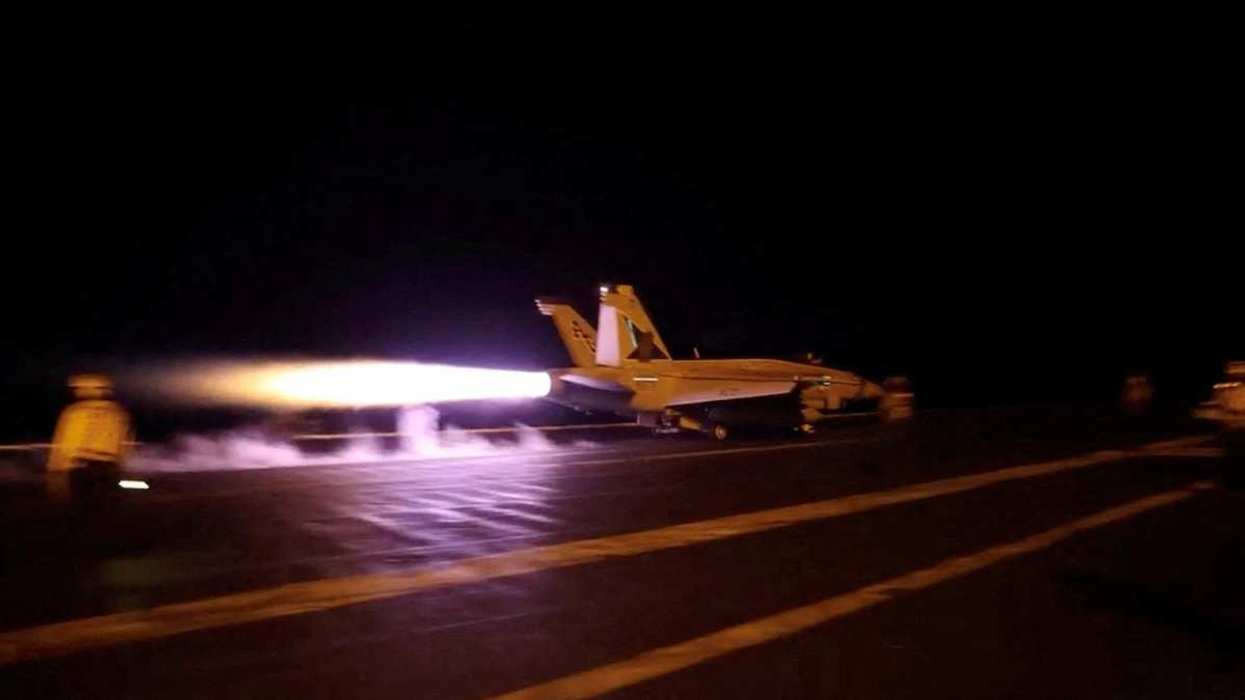
Europe has also been helping behind the scenes. US bombers have reportedly used bases in some capacity in France, Germany, Greece, Italy, Portugal, and the UK. One US Air Force general even said that most European allies “have been extremely supportive.” The use of these bases has been critical for US operations, allowing them to hit Iran from a closer distance and at a lower cost. Still, Europe hasn’t yet become entangled in any offensive manner, nor in any way that would put its own soldiers at risk.
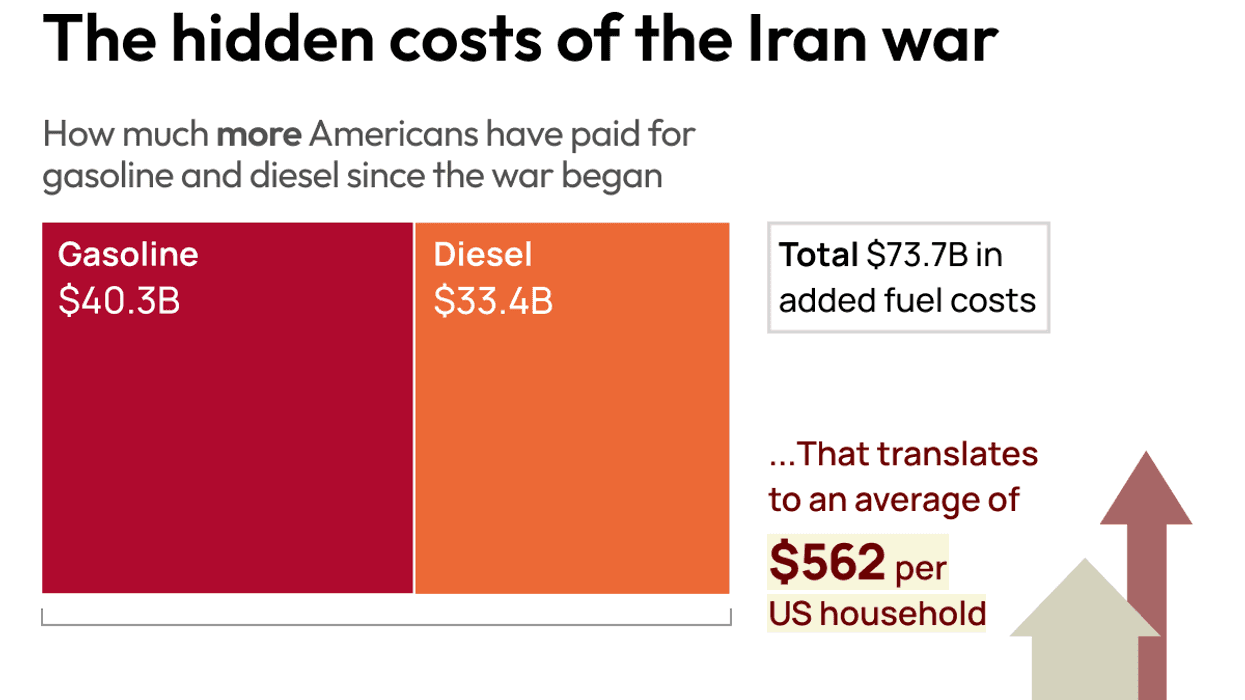
Could Europe come off the sidelines? There are a few things that could theoretically prompt Europe to get more involved in Iran. One would be if energy costs stayed high for an extended period. As this newsletter noted last week, Europe has been feeling the pain of the conflict through skyrocketing energy prices. These will likely boost inflation more broadly – and recent history has shown that this can have a damaging effect on incumbent politicians. Still, those costs haven’t become so high that it would be worth joining the war.
“At the moment, the domestic considerations trump the strategic ones,” said Eurasia Group’s Europe expert Jan Techau. “It is too toxic and costly at home to join this Trump war.”
But, Techau added, there could be a tipping point in the near future. “That point is not anywhere near, but it could be reached when oil prices don’t go down.”
Another consideration is whether the Iranians could pose a threat to Europe following the attempted strikes on Diego Garcia. The true range of Tehran’s missiles remains unclear – it’s possible that they fired the weapons from a merchant vessel that was much closer to the island, per Techau – but the incident has nonetheless prompted debates, particularly about Europe’s fragile air defense systems. Still, Techau doesn’t think the strikes will push Europe to get involved in Iran.
“For the moment, the incident does not change the calculus,” he said.
What could change the calculus more quickly is an entirely separate war: the one between Russia and Ukraine. Ever since the US and Israel launched strikes on Iran on Feb. 28, Europe has feared that the conflict in the Middle East would take precedence over the one in Ukraine. Those fears were exacerbated when the Trump administration announced that it would temporarily lift sanctions on Russian oil. Now, Europe worries that US President Donald Trump will retaliate for the continent’s refusal to join the Iran war by cutting off what remains of US support for Ukraine.
“Early on, some officials were genuinely concerned that the US could use intelligence sharing and weapons sales to Ukraine as leverage to punish Europe,” said Eurasia Group’s Europe analyst Dani Podgoretskaya.
However, fears of this somewhat subsided when Washington reportedly refused a request from the Kremlin for a quid-pro-quo halt in intelligence sharing for both Ukraine and Iran, a move that assured Europe that the US wouldn’t fully abandon Kyiv.
With energy prices expected to eventually drop later this year, the US expected to keep helping Ukraine in some fashion, and the memory of Iraq still present in the minds of the European public, the likelihood of Europe playing a major role in Iran remains remote.