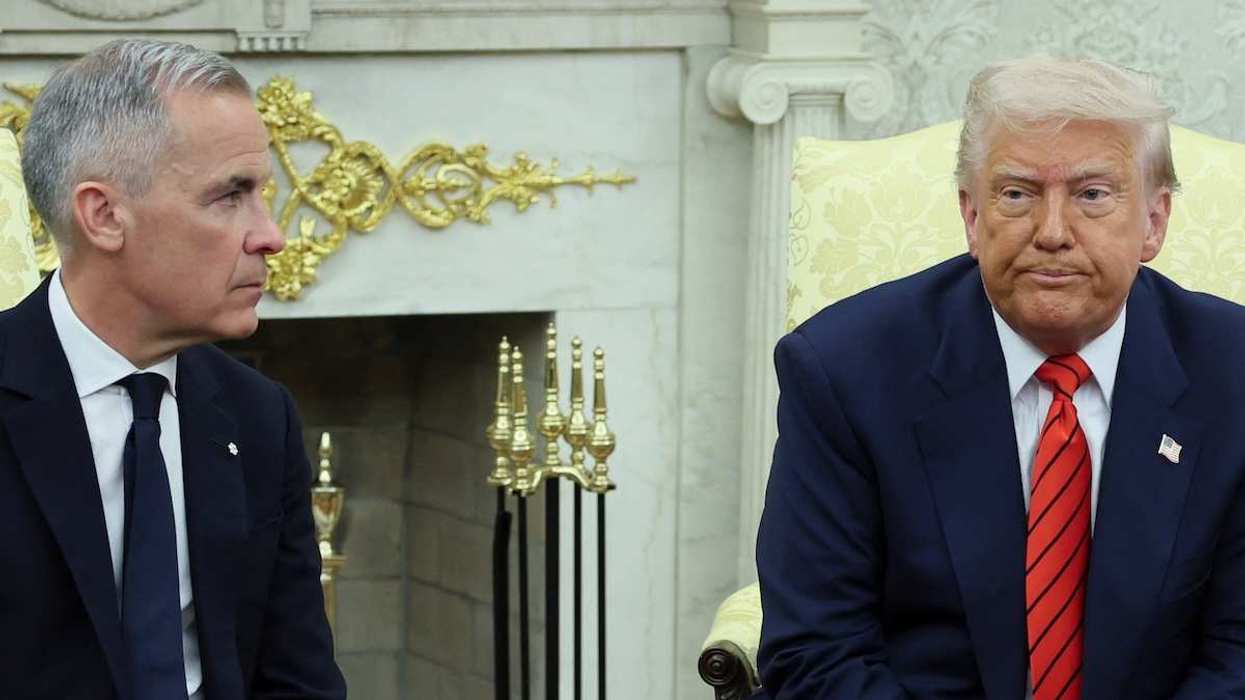
On Thursday, US President Donald Trump announced 39% tariffs on Switzerland – the fourth-highest rate of all the duties that the American leader has imposed since April after Laos, Myanmar and Syria. Trump’s decision came after a thirty-minute conversation with Swiss President Karin Keller-Sutter, which critics described as “disastrous” for the European. Yet for months, it seemed that negotiations between the two nations were moving in the right direction. So what went wrong?
Deficits, luxury goods and drugs
Trump says the sticking point is the US trade deficit with Switzerland, which stands at $38.9 billion. Keller-Sutter even suggested that the tariff number itself – 39% – was tied to that amount. The deficit is due, in part, to the American appetite for gold and luxury goods, including gourmet cheese, fine chocolates and high-end watches: the US is Switzerland's top foreign timepiece market, accounting for 16.8% of exports.
Americans also purchase lots of Swiss pharmaceuticals – they bought $35 billion last year, making this Switzerland’s largest export to the US. While the sector was excluded from the tariffs, Trump issued a separate letter to the CEOs of 17 drug manufacturers, including Swiss heavyweights Novartis and Roche, demanding that they lower their prices or face “retaliatory measures.” But the US could also be affected: Switzerland is its 6th largest investor, creating 400,000 US jobs, including thousands in the pharma and research & development sectors.
Then there’s China
Bern and Beijing’s deep economic relationship stretches back 75 years, when the then-Swiss president contacted Chinese premier Mao Zedong via telegram. Trade ties have been especially tight in recent years. Since 2010, China has been Switzerland’s largest trading partner in Asia and its third largest overall after the European Union and the US. In 2013, the two countries signed a free trade deal and, in 2022, Switzerland refused to join the EU and the US in sanctioning China for human rights violations against its Uyghur minority.
The pair converged more this year. In May 2025, Keller-Sutter met with Chinese Vice Premier He Lifeng in Geneva and said the two countries would “upgrade” their trade deal. And just days before Trump’s Aug. 1 announcement, China’s top legislator Zhao Leji visited Switzerland, calling for the two countries to further advance their innovative strategic partnership.
Is Beijing the real target?
Switzerland’s long-standing relationship with China helped it host trade talks between Washington and Beijing in May that Trump hailed as a “total reset.” Ironically, those ties could now be a problem – and Switzerland might not be alone.
While most countries face a tariff of 10-15%, the US slammed China-friendly South Africa with a 30% duty. Canada is reeling under a 35% levy over claims that it is importing fentanyl from China through Chinese criminal gangs operating in Land of Maple Leaves. And Vietnam, which relies on Chinese fabric for its apparel industry, faces 20% tariffs, as well as a 40% levy on transshipments, which affects goods that transit through third countries to the US.
What can Switzerland do now?
Between now and Aug. 7, when the tariffs come into effect, the Swiss will continue to negotiate with Washington – they were reportedly readying a better trade offer on Monday. But they have few cards to play, having already reduced tariffs on US industrial goods to zero, and promising multibillion dollar investments in US plants. That leaves retaliation: the Swiss could cancel their order of F-35 fighter jets or implement other punitive measures. Or they can go the other way, and dial down their bromance with Beijing.