US President Donald Trump’s “Liberation Day” tariffs have been met with anger, outrage, and disbelief in every corner of the world – including islands inhabited solely by penguins. At last count, at least 50 countries want to talk trade with Washington, while in the US, opposition to Trump’s presidency is getting organized. Here’s a look at this weekend’s reactions.
In America: Protests, pleas, and pride
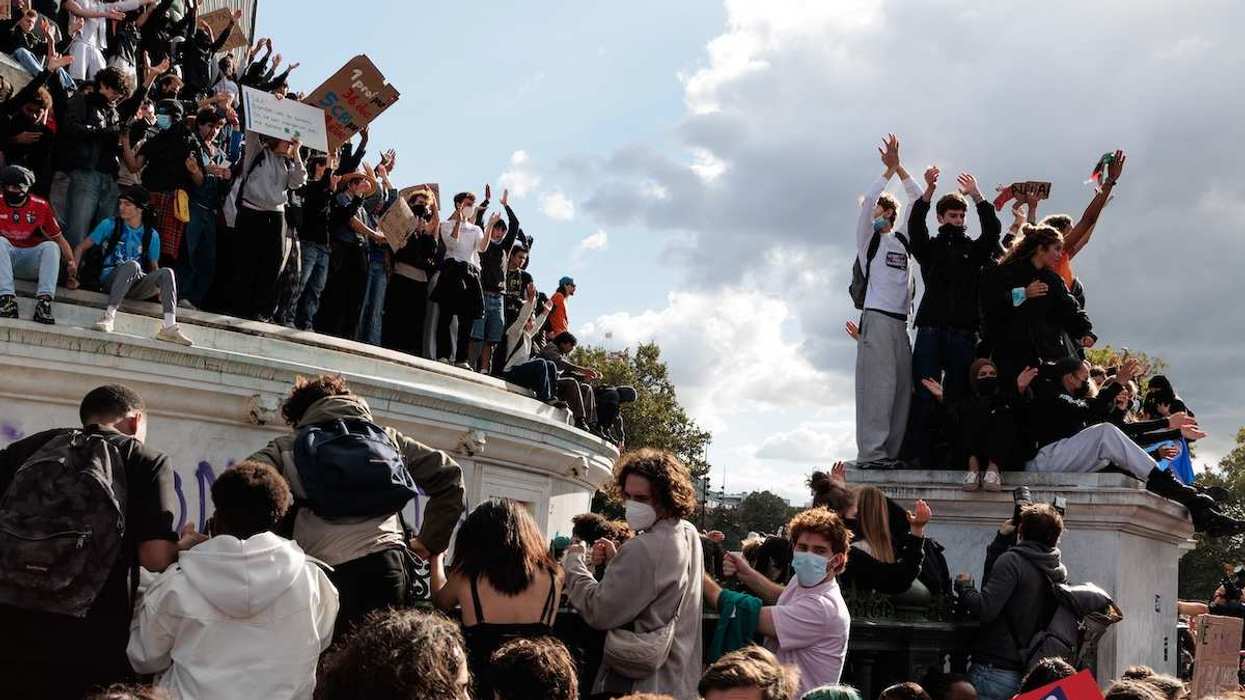
From San Francisco to Tulsa to DC, protesters took to the streets on Saturday in over 1,400 demonstrations across all 50 states, demanding that Trump and his “billionaire friends” take their “Hands Off” programs like Medicare and Social Security. While the protests were not specifically aimed at the tariffs, many demonstrators denounced their impact on consumers and retirees, who feared for the future of their investments in the wake of tariff-induced market turmoil.
Meanwhile, top tech and finance leaders — including reps from Apple, Goldman Sachs, and Meta — reportedly plan to fly to Mar-a-Lago to urge Trump to reconsider his tariff plans. Their message: Tariffs are tanking investor confidence and threatening America’s innovation edge.
In the Midwest, it’s a different story. In Iowa, Ohio, and the Dakotas, many in Trump’s base are cheering. Farmers, small manufacturers, and assembly line workers, angry at the impact of offshoring, say the tariffs finally put America first. As a candy store manager in small-town Ohio told the BBC, “If tariffs bring companies and business back to hardworking American people like the ones who live here, then it’s worth it.”
Overseas: Calls for unity, calculated countermeasures
Abroad, in the words of UK Prime Minister Keir Starmer, the consensus is that “the world as we knew it has gone.” The EU is promising a coordinated response in the coming days with retaliatory tariffs on a host of American goods, including diamonds, meat, cereals, wine, wood, clothing, chewing gum, dental floss, vacuum cleaners, and toilet paper. (In a curious twist, Trump adviser Elon Musk suggested on Saturday to a far-right Italian party that the US and Europe form a zero-tariff free trade zone, saying that this “has certainly been my advice to the president.” We’ll see whether Trump takes it.)
In Asia, responses have been mixed. Indonesia and Taiwan’s governments have opted not to retaliate, while Vietnam’s President To Lam has already been on the phone with Trump, proposing a deal to eliminate tariffs entirely between the two nations. In contrast, China is digging in its heels, placing export restrictions on rare earths in addition to reciprocal tariffs of 34% on US goods. Both measures were announced on Friday after two days of stock market meltdowns, which continued into Monday, as the Nikkei plunged 7.8%, while two other Asian indexes had record losses for a single day. Wall Street is also set for another week of turmoil after Dow Jones futures fell 1,500 points (over 3.5%) late Sunday.
Responding to the continued market downturn, Trump said Sunday night that “sometimes you have to take medicine to fix something.”