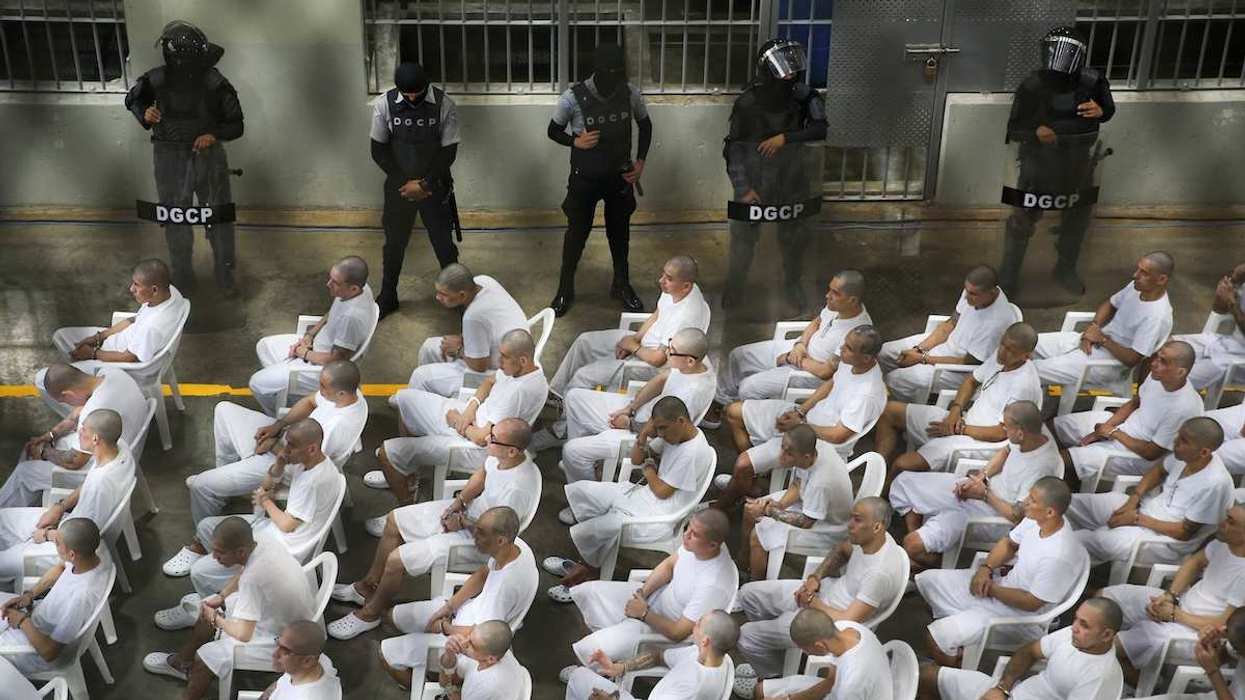
Nayib Bukele, the millennial strongman president of El Salvador, has many admirers. At least 1 million of them now follow an Instagram “fan” account dedicated to him. The account, @Bukele2024, regularly posts videos of Salvadoran gang members in prison, their heads shaven and their faces crawling with tattoos, crouching or cowering half-naked in the cells or yards of El Salvador’s maximum security facilities.
The gushing comments under these videos come largely from Salvadorans, more than 90% of whom currently support Bukele, who is now in his second term.
But many also come from outside the country.
“Excellent, we need a president like that in Argentina [heart],” says one.
“Mexico needs this kind of government!” reads another.
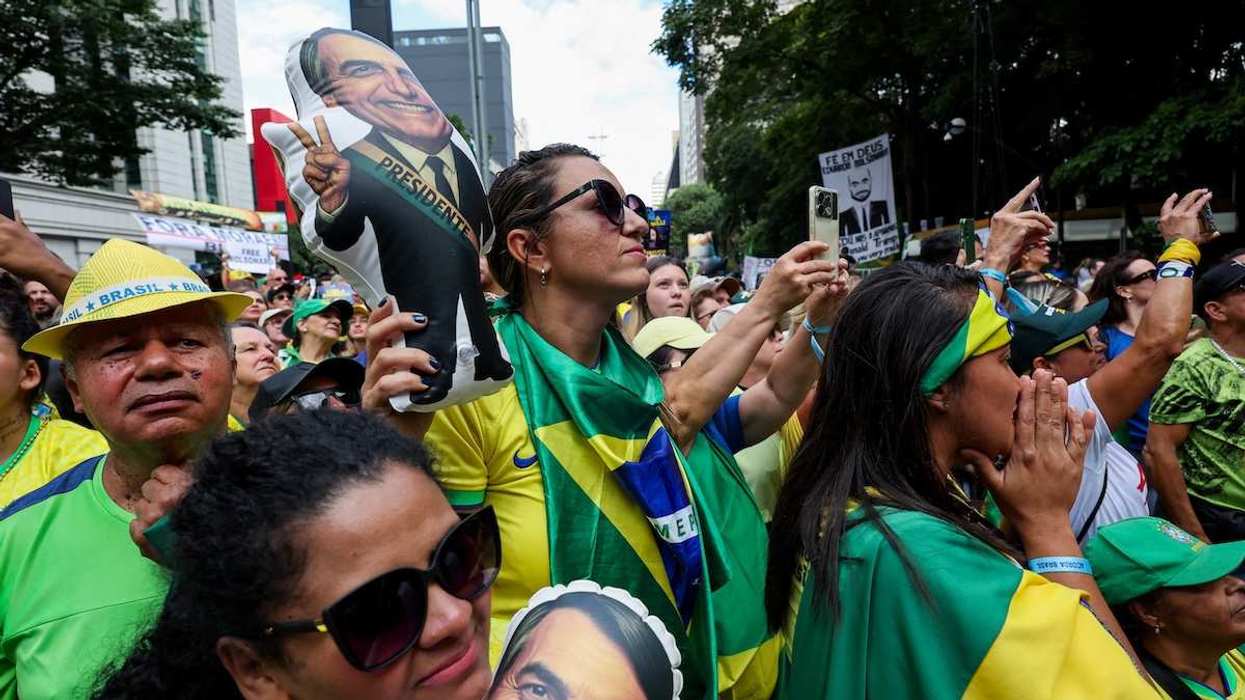
“Congratulations from Brazil!”
Bukele’s popularity at home – and his rising appeal abroad – come from a single, once-unimaginable achievement: Making El Salvador Safe Again.
As countries throughout the region grapple with high crime rates, the example of small El Salvador is having a big impact on Latin American politics.
What did he do? When Bukele took office in 2019, the tiny country of barely 6 million people was overrun by violence. Powerful gangs like MS-13 and The 18th Street Gang – both born in US prisons more than half a century ago – left hundreds of people dead every year as they warred over territory, extorted businesses, intimidated lawmakers, and kidnapped people for ransom.
Since then, the homicide rate has fallen from 36 per 10,000 people to fewer than two. El Salvador was once the most dangerous place on earth. It is now one of the safest.
How did he do it? At first, the gangs did it for him, reaching truces that had already started to bring down the murder rate when he took office. But after those deals collapsed, Bukele ripped off the gloves – he declared a state of emergency and unleashed a crackdown that has jailed more than 80,000 people.
El Salvador’s incarceration rate is now the highest in the world. Three out of every 100 Salvadoran men are currently in prisons like the ones shown on @bukele2024.
Human rights groups say his mano dura (strong hand) approach has been a disaster, rife with arbitrary detentions and allegations of torture and deadly abuse. To date, more than 8,000 people have been released after wrongful incarceration – watchdogs say that’s a fraction of those jailed without cause.
Bukele, who describes himself as “the world’s coolest dictator” has also chipped away at democratic checks and balances. In 2020, the army marched into Congress in order to intimidate lawmakers into passing a Bukele-backed stricter crime bill.
A year later, hand-picked justices ruled that he could skirt term limits and run for reelection. Last year, he won by more than 70 points, delivering his New Ideas party a supermajority in Congress to boot.
The region has taken notice. In Ecuador, where cartel violence has soared in recent years, President Daniel Noboa won reelection in a landslide last month after seeing moderate success with a state of emergency modeled on Bukele’s.
In Chile, where crime is a top concern for voters, Bukele is viewed positively by 80% of Chileans surveyed, and nearly half say they want a president like him in their own country. Polls show he is currently the most popular Latin American leader in Colombia and also in Peru where more than half a dozen new parties have named themselves after the Salvadoran president.
Why the love for Bukele? Concern about crime and violence is rising across Latin America. While the causes differ from country to country, the lingering economic dislocations of the pandemic, combined with surging Andean cocaine production and the social tensions generated by the mass exodus of Venezuelans over the past decade, have led to upticks in crime, both real and perceived.
A survey released last year by Latinobarometro showed that a third of people across the region said they or a relative had been the victim of violent crime over the previous year, the highest mark in nearly a decade.
But can Bukelismo really work elsewhere? Experts say El Salvador’s experience is unique and hard to replicate. It is a tiny country where the gangs, despite their ferocity, are nowhere near as powerful, entrenched, widely dispersed or well-armed as the transnational cartels that fuel violence elsewhere in the region, according to Risa Grais-Targow, a Latin America expert at Eurasia Group who travels often to El Salvador. Plus they are much easier to find than narcos.
“They all have tattoos on their faces,” she says, “There’s really no mystery about who these people are.”
Still, even if Bukelismo can’t be replicated in practice, it can be copied in politics. Over the next 18 months, four of the region’s biggest economies are heading into elections. Chile will choose a president later this year, while Brazil, Colombia, and Peru will all follow suit in 2026.
All three are currently governed by left-leaning politicians, but the right is surging ahead of next year’s vote, Risa says, in part because of the perception that their hardline policies will help to deal with crime.
“I think this Bukele message is going to be really popular or really forceful,” says Grais-Targow. “And so we are going to see a lot of Bukele copycats.