Saudi Arabia and the UAE weigh joining Iran war
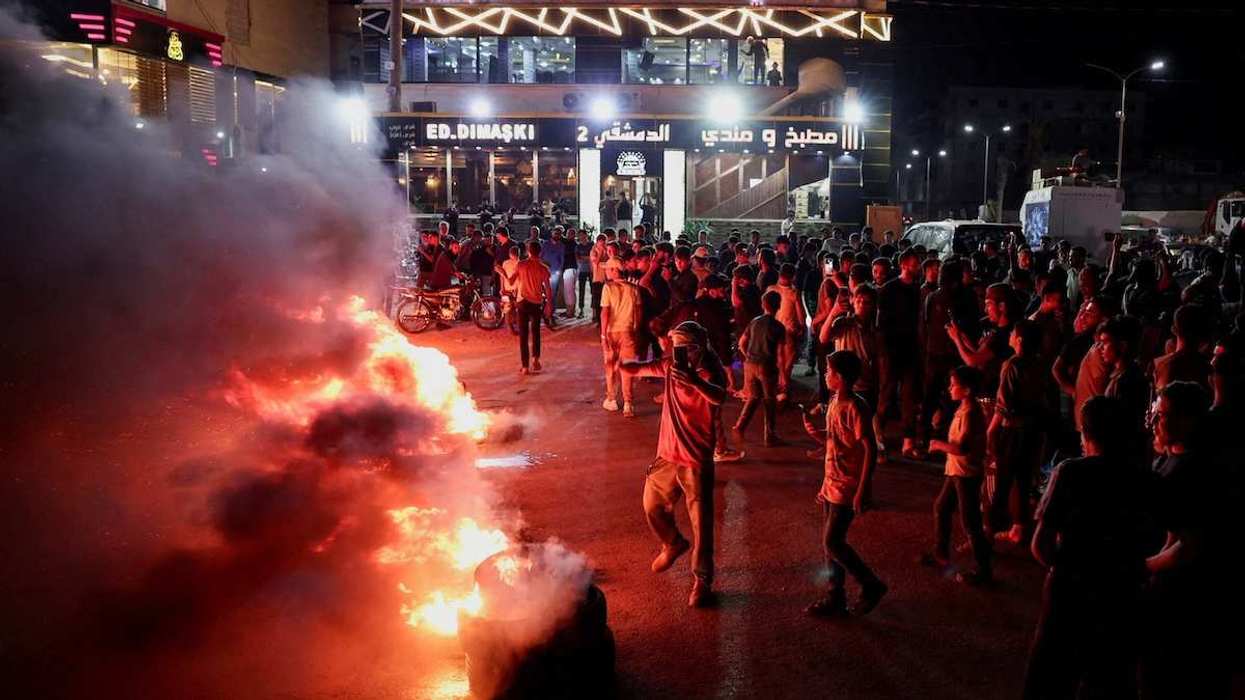
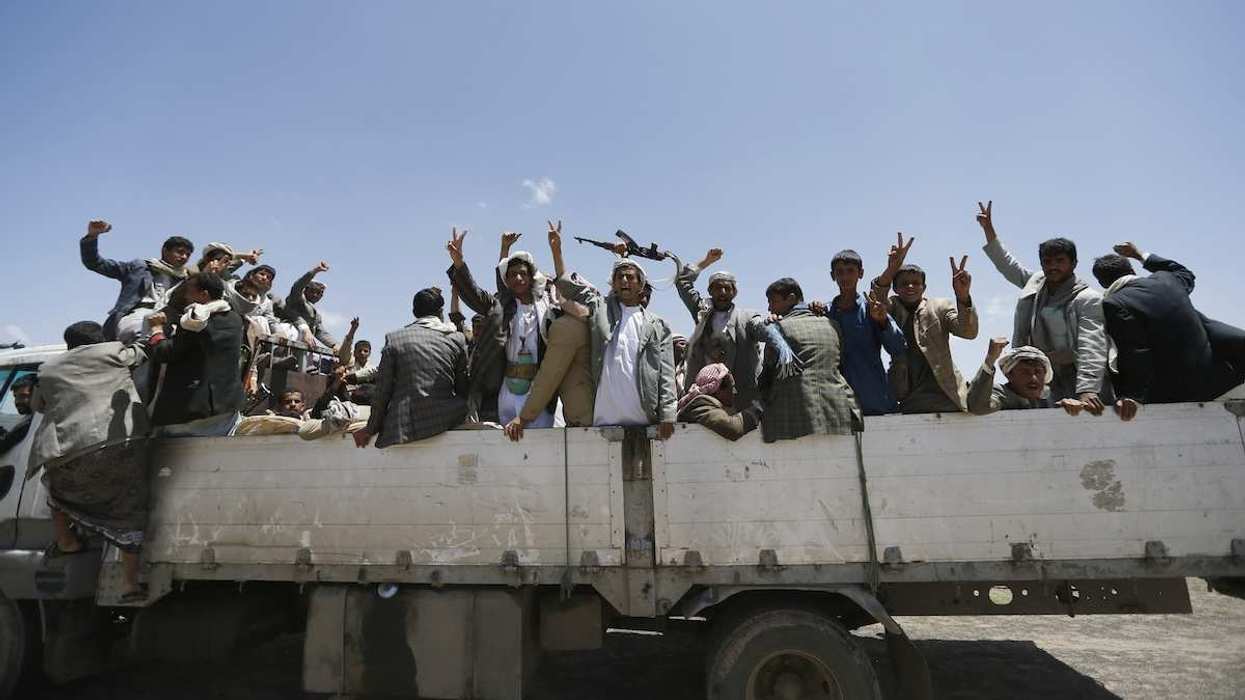
Saudi Arabia and the United Arab Emirates are moving closer to joining the US-Iran conflict. It’s a notable shift for the former friends-turned-foes: despite backing opposite sides in Somalia, Sudan, and Yemen, they could find themselves aligned again in Iran. Riyadh reportedly urged US President Donald Trump to continue military action against Tehran and gave the US access to King Fahd air base. Meanwhile, the Emiratis closed an Iranian-owned hospital and club in Dubai, cutting off support for Iran. Both Gulf countries have an immense stake in the war. Most of their food imports come via the Strait of Hormuz. Separately, their desalination plants that clean their water are under threat. What’s more, billions of dollars of foreign investment – and the region’s burgeoning tourism are – on the line. Their calculation: take a risk in the short term by joining the war in the hopes of weakening Iran in the long run.
EU, Australia seal long-awaited trade deal
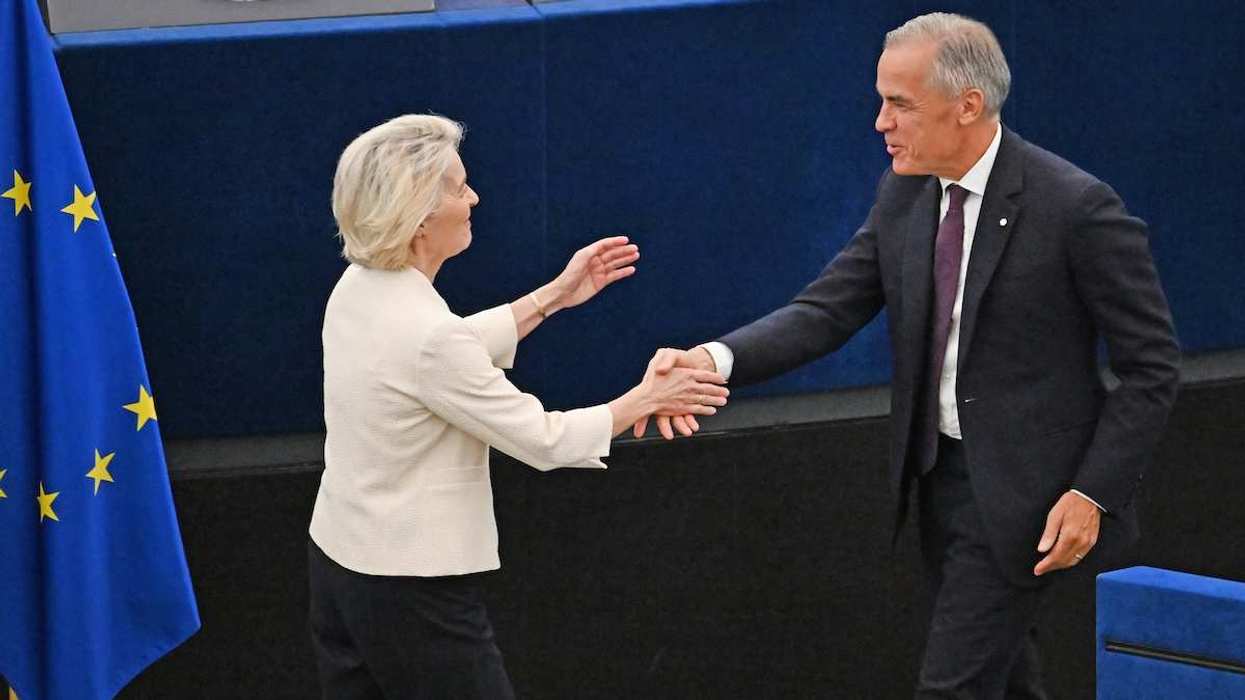
After eight years of negotiations, the European Union and Australia agreed to an expansive trade deal on Monday that will remove almost all tariffs on each other’s exports. The two sides also agreed to bolster cooperation on defense and critical minerals. While European carmakers are happy with the pact, others aren’t: Australian farmers feel it doesn’t go far enough in terms of cutting trade barriers on beef, while those in Europe feel it goes too far. Zooming out, this deal is the latest major trade pact that the EU has signed over the last year, including those with India, Indonesia, and the South American trading bloc Mercosur. Does Trump’s rejection of multilateralism and the rules-based order have anything to do with this?
A local win becomes a national test for France’s centrists
Much attention has been paid to Socialist victories in major cities across France over the weekend, namely in Paris, where National Assembly deputy Emmanuel Grégoire defeated conservative and far-left candidates. But a center-right win in Le Havre was also notable, particularly for France’s upcoming presidential race. On Sunday, former Prime Minister Édouard Philippe secured reelection as mayor of Le Havre with roughly 48% of the vote. The win reinforces his standing as the leading center-right contender for the 2027 Élysée race, and early polling puts him ahead of Macronist rival Gabriel Attal. But the edge is thin; while Philippe’s Horizons party is expanding locally, the broader central bloc is splintered and increasingly pulled to the right. Failure to unify centrists could once again open a path to a runoff dominated by the extremes. Philippe’s next test is strategic: consolidate moderates quickly, or risk a crowded field that keeps the center out of a runoff.