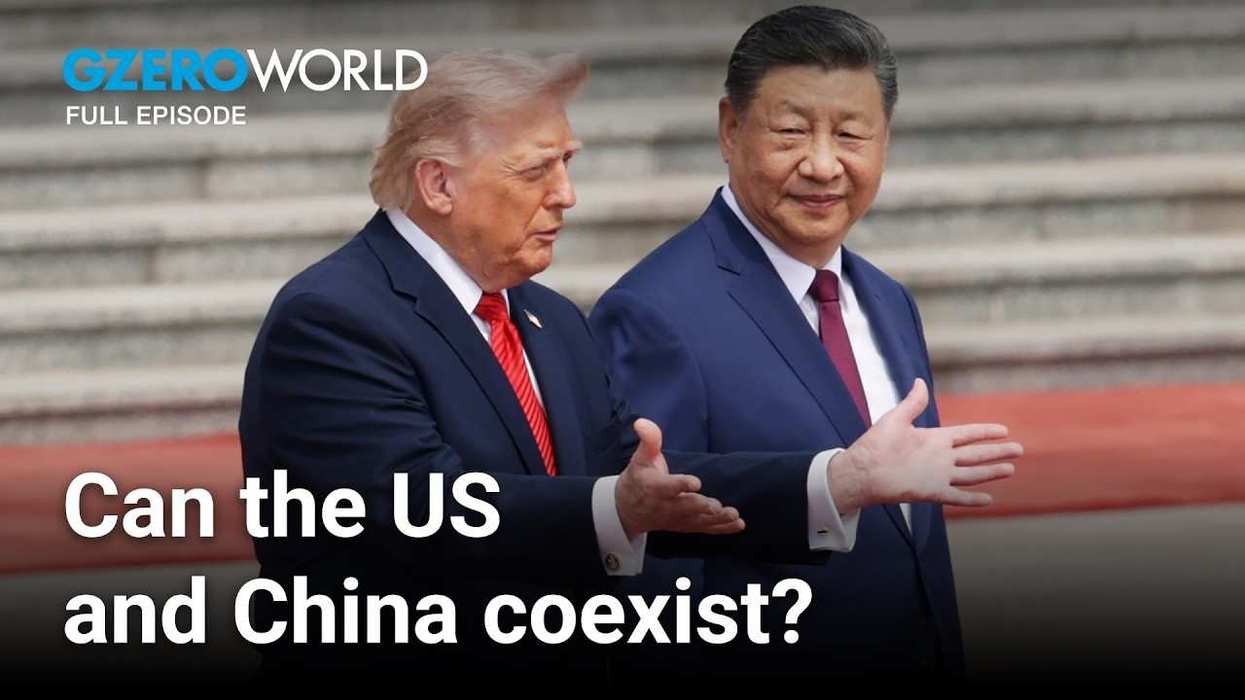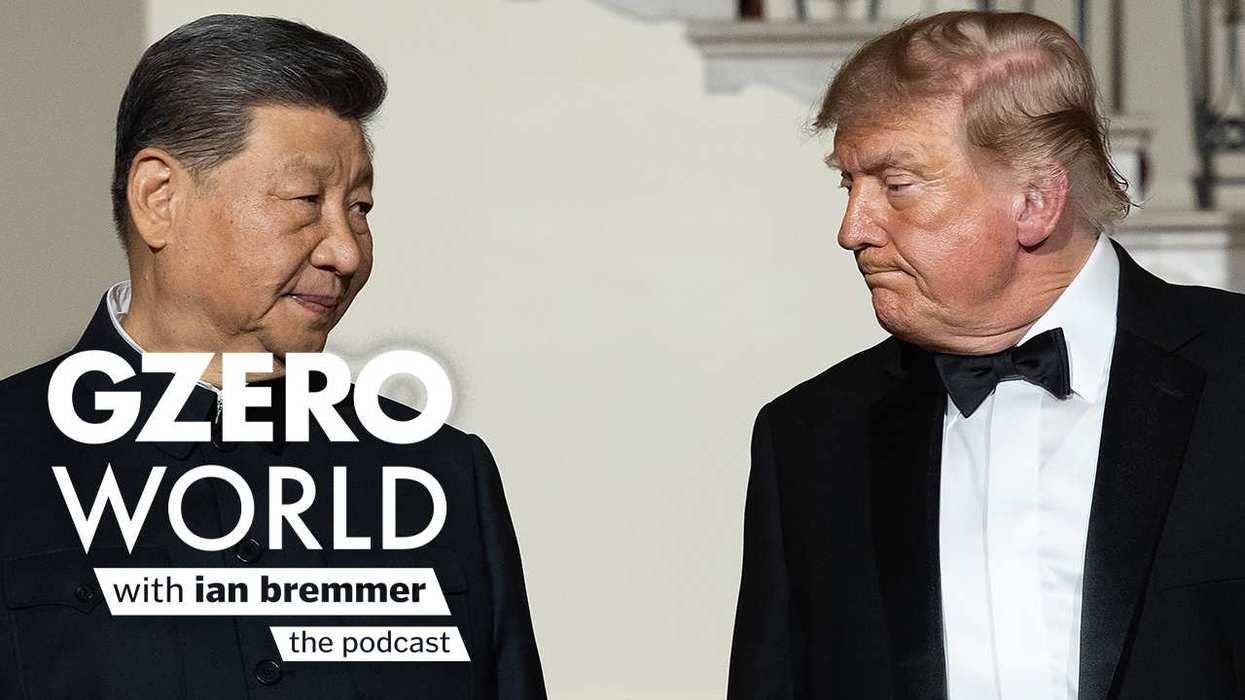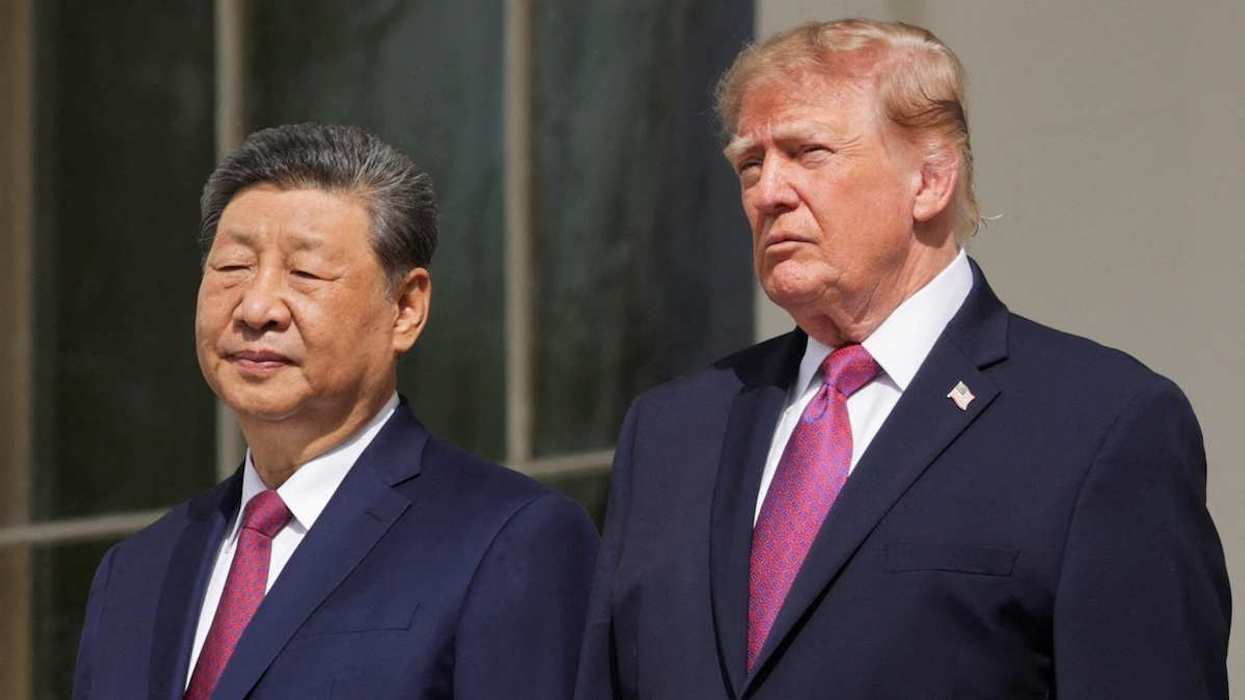
This week's negotiations between US and Chinese officials—and yesterday's White House meeting of President Donald Trump and China's Vice-Premier Liu He—have added to rising expectations that the two governments will soon sign a deal to end their trade conflict.
There seem to be two main sticking points holding up completion of the deal. One, China wants the Trump administration to immediately lift tariffs on Chinese-made products, while the Trump team wants to see China taking steps to demonstrate good faith before it relieves the pressure. Two, the two sides can't agree on a mechanism by which US officials can verify that China is keeping its new promises over time.
Raising the stakes, this conflict is creating headaches in dozens of other countries, and there are many interested observers who hope this impasse can be resolved as soon as possible. Malaysia's trade minister was speaking for many other governments when he urged the US and China to accept a "global responsibility" to resolve their differences and to "stop thinking only of themselves."
Three important reports issued this week detail the collateral damage the US-China trade war is inflicting on other economies.
The Asian Development Bank warned on Wednesday that the US-China conflict poses the biggest current risk to the economy of Asia as its chief economist sharply lowered the region's growth forecasts for this year and next. "Prolonged negotiations," he wrote, "is the biggest risk."
The International Monetary Fund reported on Wednesday that the creation in recent years of complex global supply chains leaves South Korea, Germany, Japan, Italy, the UK, and France especially vulnerable to an economic slowdown triggered by tariffs.
The World Trade Organization this week blamed the conflict for a sharp fall in global trade growth and downgraded trade forecasts for 2019 and 2020. It's "increasingly urgent that we resolve tensions," warned the WTO's director general. Weakening the rules-based trading system, he said, "would be an historic mistake with repercussions for jobs, growth and stability around the world."
The larger problem: Donald Trump and Xi Jinping will probably sign a deal, maybe later this month, but that agreement won't entirely end the uncertainty facing these other governments and the global economy. In part, that's because it's highly unlikely Beijing will accept an enforcement mechanism that creates lasting confidence in Washington that China will keep the promises it makes on paper. This trade war has further eroded the already limited trust between China and the United States.
The bottom line: The market-shaking, confidence-undermining threat of new tariffs will remain one Trump tweet away, and the US president will probably use that power to keep pressure on China and to beat back any criticism that he's made a bad deal.
And by the way: There are many problems more complicated and important than trade tariffs dividing the US and Chinese governments. In particular, competition over intellectual property and next-generation advances in technology will deepen mistrust between the US and Chinese governments. Both sides will claim that problem matters for national security as well as commerce. As with trade, these areas of US-China conflict will also create problems for everybody else.