Skip to content
Search

Latest Stories

China

China moves to ban funky clothes

China street style

China street style

Make us preferred on Google

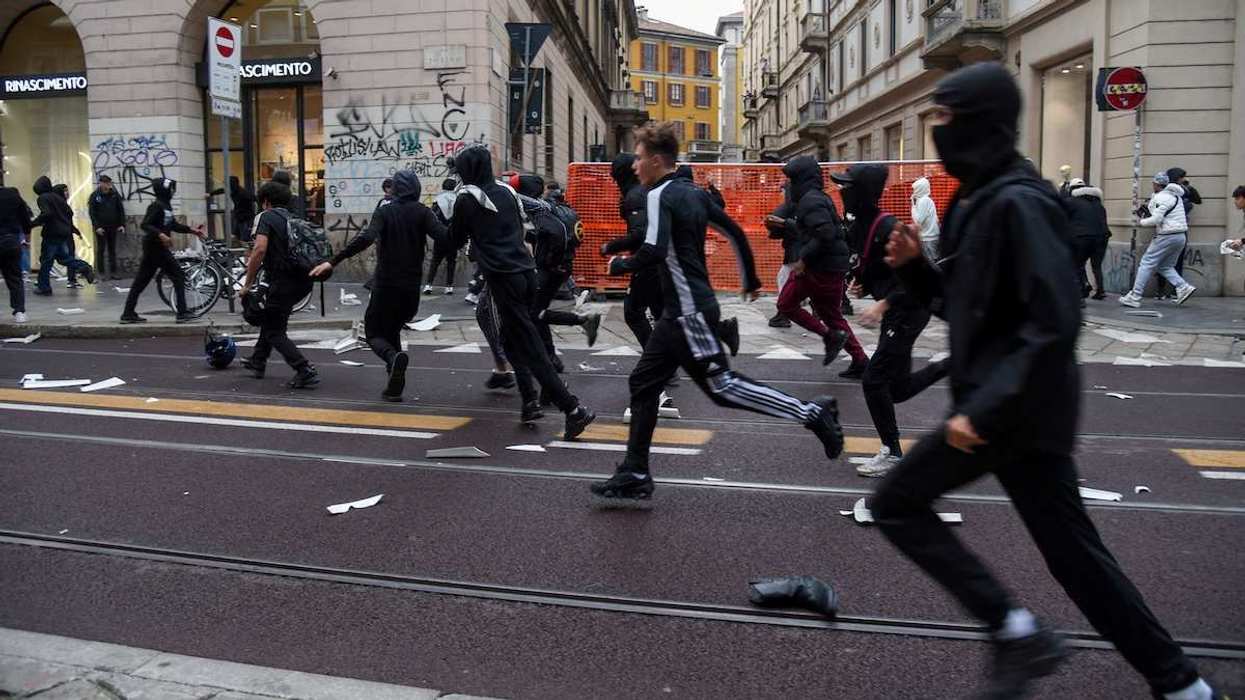
It’s been decades since China has felt the need to roll out new security laws, but in a post-COVID moment of sluggish economic growth, Chinese authorities are placing new emphasis on rules meant to keep people from rocking the boat. One proposed law in particular has drawn a big reaction across Chinese social media. Apparently, clothes really can hurt a nation’s feelings.

The draft of this law makes it a crime to wear, or force others to wear, clothing that “undermines the spirit or hurt the feelings of the Chinese nation.” Wearing clothes that authorities consider insufficiently Chinese could land you a 15 day jail sentence and a fine of the yuan equivalent of $680.


The first problem here is that there is no published description of what the new dress code demands, leaving citizens to guess what kind of tee-shirt, dress, or other clothing item might set off the alarm. Nor is it clear how police will decide whether the nation’s feelings have been hurt – and whether a young girl’s Korean boy band tee-shirt or a boy’s purple suit is the main culprit.

The larger problem is that the law signals yet again that the state neither knows nor cares what young people, those most likely to wear unconventional clothing, want. In a country where consumers have seen the value of the money in their pockets plunge to 16-year lows against the dollar, and where youth unemployment has surged to levels that persuaded authorities to stop publishing stats on the subject, new clothing restrictions that appear targeted at young people have set off waves of scorn online.

More For You

Iranian President Masoud Pezeshkian displays a memorandum of understanding after signing it in Tehran, Iran, on June 18, 2026.

Iranian President Masoud Pezeshkian displays a memorandum of understanding after signing it in Tehran, Iran, on June 18, 2026, after the document was signed by US President Donald Trump.

Iranian Presidency via ZUMA Press
What does the US-Iran deal mean for Tehran? The interim agreement to end the war, signed by both sides on Wednesday, appears to tilt toward Iran: it lifts the US naval blockade of Iranian ports, grants sanction waivers for Iranian oil products – meaning Tehran no longer has to sell oil at a discount – and gives the Islamic Republic access to [...]
People walking along the Dubai Creek Harbour

People walk along Dubai Creek Harbour, amid the U.S.-Israel conflict with Iran, in Dubai, United Arab Emirates, March 6, 2026.

REUTERS/Amr Alfiky/File Photo
Will the Gulf pay for its own protection from Iran? Iran could reportedly receive up to $300 billion in a reconstruction fund for its battered economy as part of its interim peace deal with the US, which is expected to be formally signed in Switzerland on Friday. While the structure and management of the potential fund are unclear, US President [...]
The growing strategic importance of the Arctic
- YouTube
As global competition intensifies in the Arctic, Greenland has reemerged as a strategic focal point for the United States and its allies. From the sidelines 2026 US-Canada Summit, hosted by Eurasia Group and RBC in Toronto, Tony Maciulis sits down with Thomas Dans, chairman of the US Arctic Research Commission, to discuss why the Arctic is [...]
Israeli PM Benjamin Netanyahu at a news conference

Israeli Prime Minister Benjamin Netanyahu holds a news conference, following a US-Iran deal, in Jerusalem, June 15, 2026.

REUTERS/Ronen Zvulun/Pool
US-Iran deal could spell disaster for NetanyahuIsraeli Prime Minister Benjamin Netanyahu was already struggling in polls ahead of elections later this year, but his situation might get worse after Washington and Tehran agreed to a deal (pending its signing on Friday). Why the issue with ending the war? Israel ploughed resources into the war, its [...]