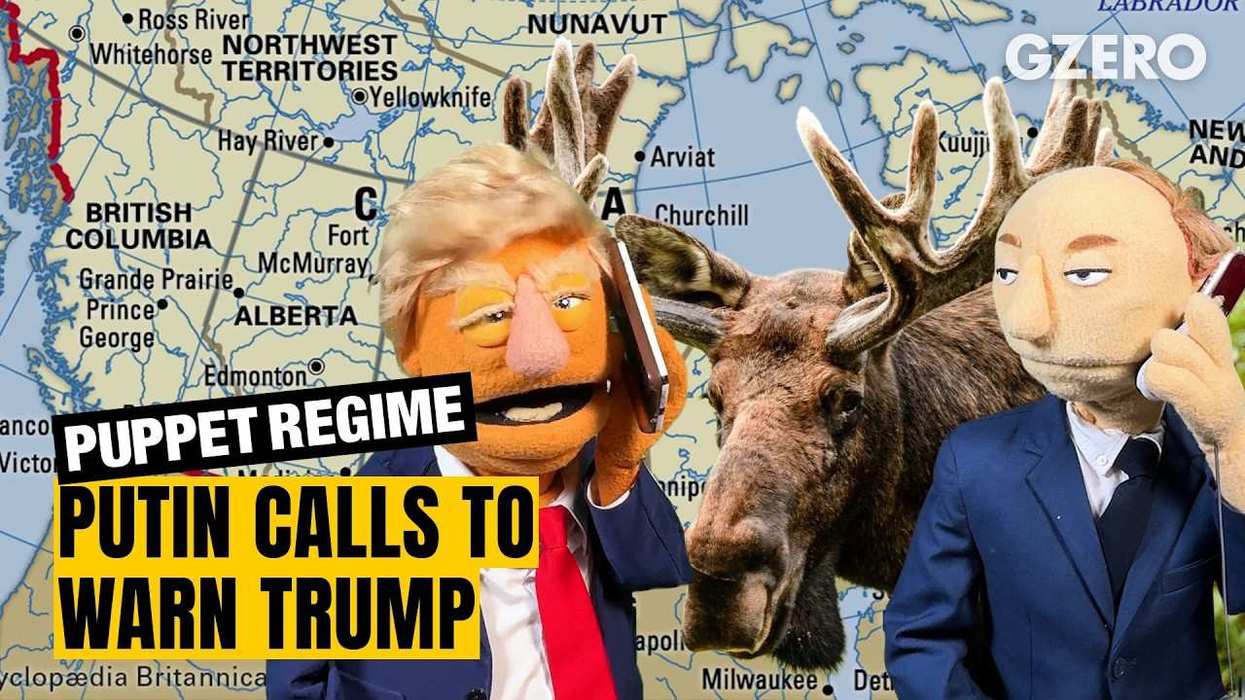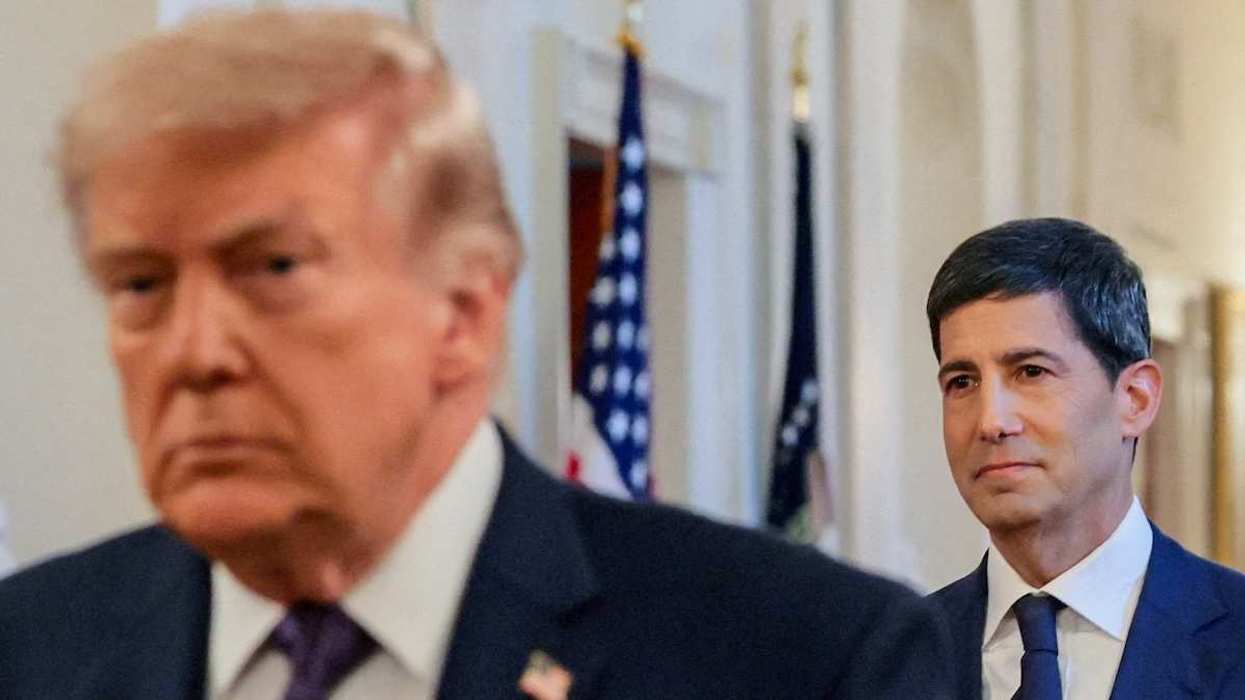
On Saturday, US President Donald Trump signed an executive order applying 25% tariffs on all Canadian and Mexican imports, excluding Canadian energy, which will be tariffed at 10%. The order, which takes effect on Tuesday, also imposes a 10% tariff on all Chinese imports. Trump threatened to escalate tariffs further if any of the countries retaliated, which Mexico and Canada have already done.
Canada will apply 25% tariffs on $155 billion of American goods, from orange juice to appliances to car parts, phased in over three weeks. Ottawa will also consider nontariff measures relating to energy and procurement, and provincial liquor monopolies are removing American alcohol from their shelves. Mexican President Claudia Sheinbaum also retaliated with “tariff and non-tariff measures in defense of Mexico's interests,” without specifying the rate.
China has responded with plans to implement “countermeasures” and called Trump’s tariffs a “serious violation” of international trade rules, which it will contest before the World Trade Organization.
On what basis did Trump issue the order? Trump expanded the scope of the national emergency he declared on Jan. 20 at the southern border of the United States, due to “the sustained influx of illicit opioids and other drugs” that is “endangering lives and putting a severe strain on our healthcare system, public services, and communities.” It now covers both Canada and China, which he accuses of not doing enough to combat fentanyl production, money laundering, drug gangs, and transnational crime.
Could legal challenges derail Trump’s tariffs? To declare this emergency, Trump invoked the US International Emergency Economic Powers Act, or IEEPA, the National Emergencies Act, or NEA, as well as sections 604 of the Trade Act of 1974 and section 301 of Title 3, United States Code.
But the IEEPA has never been used to justify tariffs. It allows for the imposition of sanctions, such as those imposed by the Biden administration against Russia, which can be invoked immediately. Trump chose the IEEPA because it allowed him to bypass the lengthy investigations and consultations required by other trade laws he invoked during his first term.
It also allows him to claim the tariffs are legal under World Trade Organization rules, as the General Agreement on Tariffs and Trade’s Article XXI designates a national security exception. President Richard Nixon similarly invoked the Trading with the Enemy Act to impose 10% tariffs after the US quit the gold standard in 1971 to stave off a balance-of-payments crisis.
This may not bode well for a challenge by China before the WTO. But if American courts rule against Trump on his use of the IEEPA, his emergency declaration could be considered invalid, opening the door to penalties under global trade rules.
Finally, there’s the USMCA. A Congressional analysis found that tariffs would violate the tripartite treaty, but with Trump already threatening to withdraw from the agreement, it would appear he does not care. Trump said on Truth Social on Sunday that Americans will feel “SOME PAIN” but that “IT WILL ALL BE WORTH THE PRICE THAT MUST BE PAID.”
We’ll be watching to see who might challenge the US president in court – and whether they succeed. Meanwhile, the markets were taking a hit as of early Monday with stock futures lower and the dollar and oil rising.