The US and Japan stage a “Yentervention”
Japan and the United States confirmed today they jointly intervened to prop up the Japanese yen, the first such action since 2011. Washington purchased an estimated $5 to 10 billion worth of yen, though the White House has not confirmed the exact amount. The Japanese currency recently plunged to a 40-year low against the US dollar due to rising oil prices, persistent budget deficits and a wide interest-rate gap with the US. Washington reportedly feared that Japan, as the largest foreign holder of US government debt, could unsettle the American bond market should it have to dump more US Treasuries – and push up borrowing costs for Washington. Commenting on the decision, however, President Donald Trump focused less on markets and more on the US-Japan relationship, telling reporters that “we're always there for Japan.” Traders are now watching whether the Bank of Japan raises interest rates from its current level of 1%, which would give the yen more durable support.
European heatwave shuts down Hungary’s nuclear power plant
Hungary was forced to shut down its only nuclear power plant this weekend after a record drought and heatwave pushed water levels in the Danube River to historic lows. The plant relies on the river to cool its reactors, but water levels in Budapest fell to just 10 centimeters, significantly lower than the previous record low of 33 centimeters in 2018. Prime Minister Péter Magyar warned on Saturday of a possible energy emergency because of the closure, as the plant supplies nearly 40% of Hungary’s electricity. Budapest also said the crisis could cost the country between $315 million and $630 million in energy imports to cover the shortfall. Neighboring Romania over the weekend also shut down two reactors at its main nuclear plant – which also sits along the Danube – and took the drastic step of deploying the military to blast rock formations to direct more water toward the facility.
The endless sameness of the Iran war
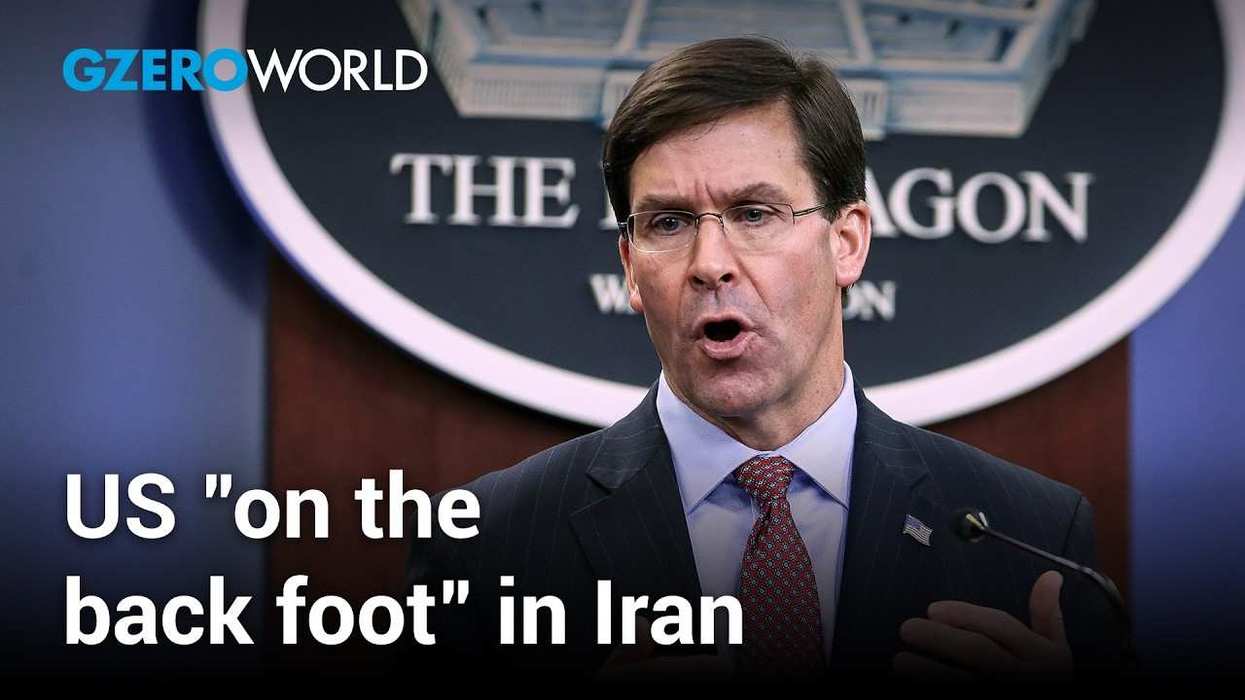
US President Donald Trump dropped his threat to unleash devastating new attacks on Iran, saying a ceasefire deal was within reach. That was Saturday, but wasn’t that sentence cut and pasted from two weeks ago? The Iran war has become a kind of Groundhog’s Day of threats, small escalations, and hopeful climbdowns. But why? In part because Trump can’t square several circles. At home, he clearly wants out of a deeply unpopular war that hasn’t achieved its aims. Abroad, US regional allies are lobbying at cross purposes: Israel wants to escalate in order to “finish the job,” while Arab allies caught in the crossfire want to de-escalate. (A phone call from the Saudis reportedly pushed Trump to back down this time.) The Iranians, meanwhile, remain defiant, insisting on dictating maximal terms for any reopening of Hormuz, while betting they can withstand any further bombardment for longer than the US public would support it. Tehran has denied that any new deal is in the works at all. Will next time be different?