Nearly 400 million people across the 27 countries of the EU will be eligible to vote from June 6-9 for members of the European Parliament. These representatives will serve a five-year term and be charged with passing and amending EU legislation. But their first order of business will be to elect the president of the European Commission, the EU’s executive body. They will vote on a candidate proposed by the European Council, which comprises the EU heads of state or government, based on the parliamentary election results.
Amid intensifying economic concerns and longstanding fears of migration, far-right parties are expected to expand their parliamentary representation. We asked Eurasia Group experts Anna-Carina Hamker and Mujtaba Rahman why that is and what this strong showing could mean for EU policy and politics over the next five years.
What issues are shaping voter preferences?
Unsurprisingly, there is some variation across member states. According to recent Eurobarometer polling, security concerns are greater in eastern European countries that are closer to the war in Ukraine, whereas climate change and the economy top the list of concerns elsewhere. But broadly speaking, the economic situation, public health, the fight against poverty and social exclusion, and defense and security are key issues in most European countries.
Far-right parties appear poised for strong gains – why is that?
Amid sluggish economic growth and high inflation, policies to mitigate climate change and favor agricultural imports from Ukraine have prompted a public backlash to which established conservative and socialist parties have been slow to respond. The discontent spilled out into the streets earlier this year in a series of protests by farmers and truckers. Sensing an opening, far-right parties threw their support behind the protests and have seen their popularity soar.
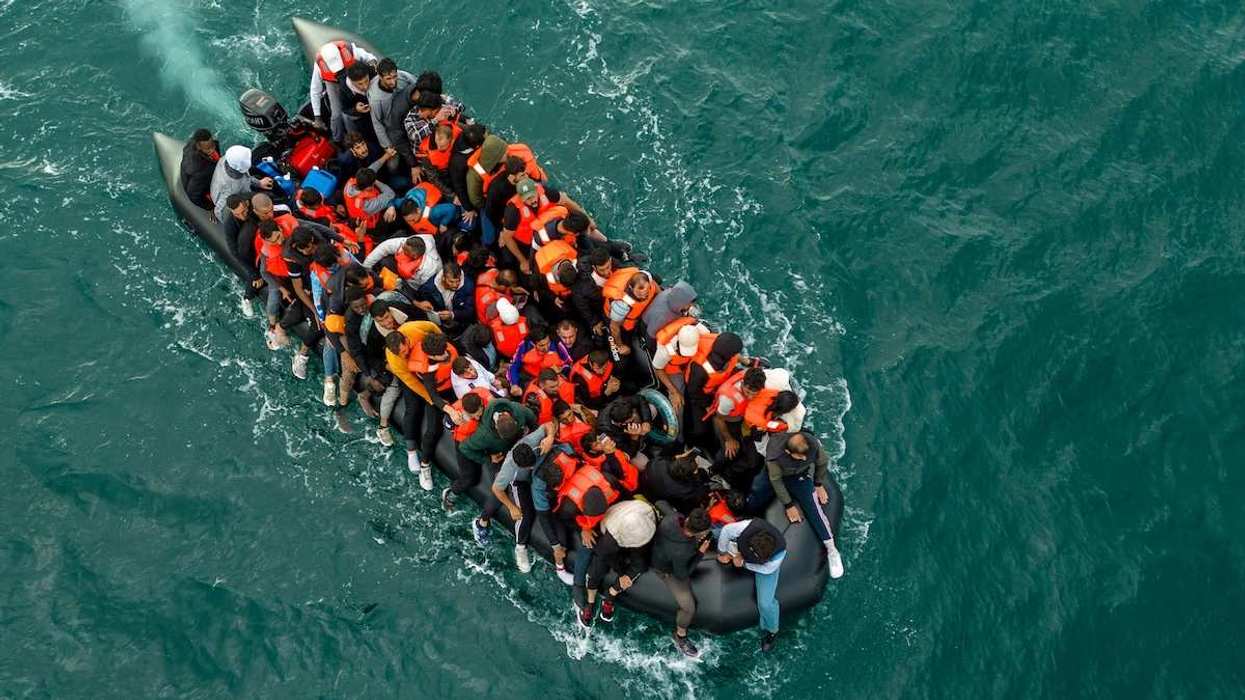
A more structural factor of support for these parties is concern over migration, which really started to gain traction with the large flows of refugees fleeing the war in Syria in 2014. European countries have long histories of receiving migration but lack steering mechanisms such as functioning integration policies. Center-left and center-right parties have ignored the issue for decades, resulting in high levels of integration failure in European societies.
How big do you expect these gains to be, and what will be their impact on EU policy?
Far-right parties will likely expand their representation from less than 20% of seats to about 25%. Overall, that will not materially affect policymaking on key issues such as Ukraine, competitiveness, and enlargement over the next five years, which was already going to be difficult. But it will have an impact on the EU’s environmental agenda and its stance on migration. Far-right parties have already helped drive an overhaul of the bloc’s migration framework and dilute some aspects of the green agenda.
The next commission will have to tackle the next big phase of the green transition, which will involve more politically costly measures for households and firms to achieve net zero by 2050. Ad-hoc cooperation between centrist and right-wing groups on these issues will likely delay or dilute some of these measures. Nonetheless, it is unlikely to derail the EU's climate ambitions overall, as all the major party groups and the vast majority of national governments remain committed to meeting both the 2030 and 2050 goals.
What will be the consequences of these gains for domestic politics in prominent member states?
A strong result for the far right would likely have the biggest impact in France, where polling suggests that Marine Le Pen’s National Rally party will outperform President Emmanuel Macron’s Renaissance Party. That would increase the odds of a successful censure motion against the government in parliament that would trigger early parliamentary elections. If Le Pen’s formation were to win half the seats in those elections (which is unlikely), that would force Macron to appoint her or someone else from her party as prime minister.
Meanwhile, a strong showing for Alternative for Germany would further fuel the debate about migration and give the party a boost ahead of important elections in three eastern German states in September and general elections next year. Similarly, a strong showing for Italian Prime Minister Giorgia Meloni’s Brothers party would reinforce its standing within the ruling coalition. Moreover, there is speculation that Meloni could offer her support for European Commission President Ursula von der Leyen’s bid for another term in exchange for a weighty portfolio in the next commission and policy concessions that would help Meloni’s domestic agenda.
What are the biggest policy challenges EU institutions will face in their next mandate?
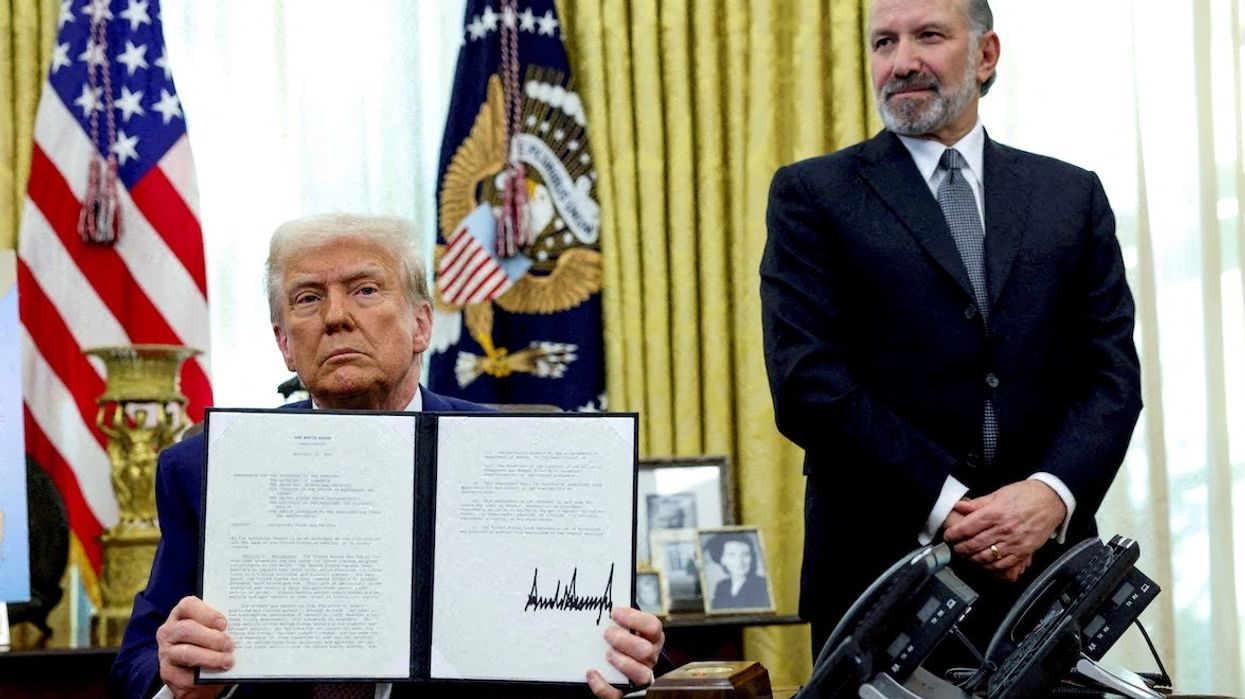
Providing diplomatic, military, and financial support for Ukraine will remain a top priority for the EU, especially considering expectations of a weaker US commitment. A potential return to the White House by Donald Trump would create new difficulties for EU institutions, particularly on trade, as Trump would likely increase tariffs on European goods. Trade relations with China will also deteriorate as Brussels rolls out tariffs on electric vehicles and considers additional steps—and Beijing prepares retaliatory measures. Beyond these immediate challenges, Brussels faces the difficult task of doing more for its security by enacting more robust defense policies. Enlargement will be another important issue. Finding ways to shoulder the financial burden of welcoming new countries and tackling potential trade distortions that would affect some member states more than others will be among the priorities.
Edited by Jonathan House, senior editor at Eurasia Group.