Well, here we are. After a punishingly long, mind-bogglingly expensive, and unusually unnerving US presidential campaign, Election Day is upon us.
Over the past few months, our Bloc by Bloc series took a look at some of the voting demographics that will likely play a key role in the outcome, so as we head down to the wire, here are five key takeaways to recap:
First, this election is very much about gender and perceptions of gender roles. In part, that’s because Kamala Harris is vying to become the first female president, running against an opponent who has been found liable for sexual assault against women in the past. But it’s also because of how each campaign frames its pitch and where each is seeking support.
The Trump campaign has leaned hard into winning the support of men, young men in particular, at times embracing a kind of hypermasculinity in its messaging – Hulk Hogan ripping his shirt off at the RNC has become a signature moment. The Harris campaign, meanwhile, has sought to galvanize female voters, in particular by arguing that a second Trump presidency might further restrict women’s access to abortion and other reproductive health care, charges that Trump and his running mate JD Vance have recently sought to refute. In the latest polls, there is a 12-13 point gender gap between the two candidates. Read more here.
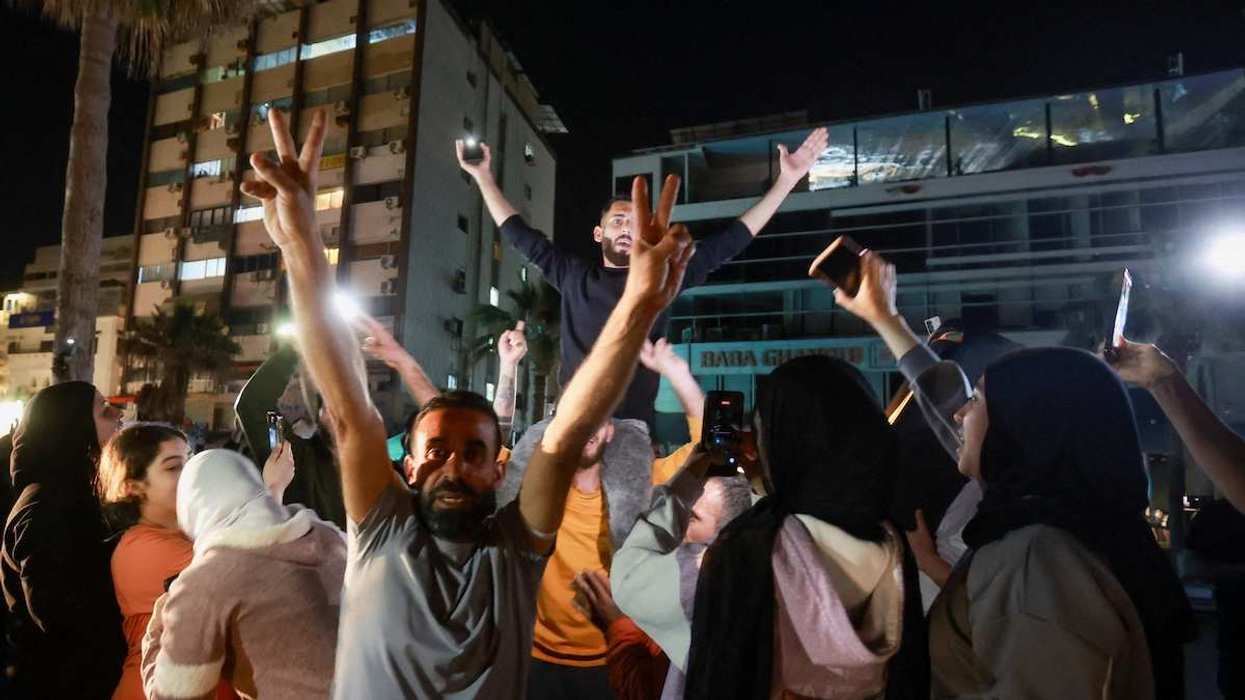
Second, key minority blocs look set to vote Republican at higher rates than in the recent past, with potentially decisive impacts in swing states. The Latino, Black, and Arab-American votes have been dependably Democratic for decades, and it is very unlikely that Trump will win any of these groups outright. But he could very well draw significantly more support than Republican candidates have in the past, as economic perceptions, culture war issues, and key concerns such as immigration or the war in Gaza scramble traditional voting patterns. Given the strong presence of these groups in key swing states such as Arizona, Nevada, Pennsylvania, Michigan, Wisconsin, and Georgia, even small shifts could have a big impact. For our look at the Black vote, see here. On the complex and shifting Latino vote (the largest minority voting bloc in the country), we took a look both before Biden stepped out and afterward. Our profile of a rapidly changing Arab-American vote in the shadow of Oct. 7 and Israel’s assault on Gaza is here.
Third, the partisan class divide is real – but with a caveat. Back in September, the historically Democrat-leaning Teamsters union decided not to endorse a candidate for the first time in decades. Why? At least partly because an internal poll showed the union’s rank and file breaking in favor of Trump, whose pledges to crack down on illegal immigration and stop import competition from abroad have been popular with this demographic. Given that the election could well turn on who wins more of the so-called “Rust Belt” – that is, Pennsylvania, Michigan, and Wisconsin – the preferences of the working class could be decisive.
There is a caveat here, however: Among white working-class voters, Trump leads by roughly 30 points, but among non-white working-class voters, the reverse is true (most non-white working-class folks are Black and Latino). Read more about the class divide here.
Fourth, for all the attention on the youth vote, the senior circuit could be decisive. In 2020, Joe Biden managed to turn the senior vote blue for the first time in decades – whether Harris will be able to continue that trend could be decisive. For all the focus of both candidates on youth voters, the senior vote – which typically shows high turnout and relatively conservative leanings – is worth watching. The latest polls show a more or less dead heat between the two candidates among voters aged 65 and older. For more on the youth and senior votes, see here.
Fifth, take the idea of “voting blocs” with a grain of sense. These categories – Black, Hispanic, Working class, Women, Men, Young, Old – are, of course, huge oversimplifications of the preferences and experiences of tens of millions of individual people. For the purposes of analysis and polling, this is useful, but as you think about the election, it goes without saying that it’s important to remember that each person will ultimately cast their vote for reasons that are important to them, not to some group identity assigned to them by a pollster, census worker, campaign strategist, media executive, or political analyst. This may seem like an obvious point, but it’s worth remembering, particularly as you try to understand, after the fact, why either candidate won or lost.