Is Orbán’s “illiberal democracy” set to end?
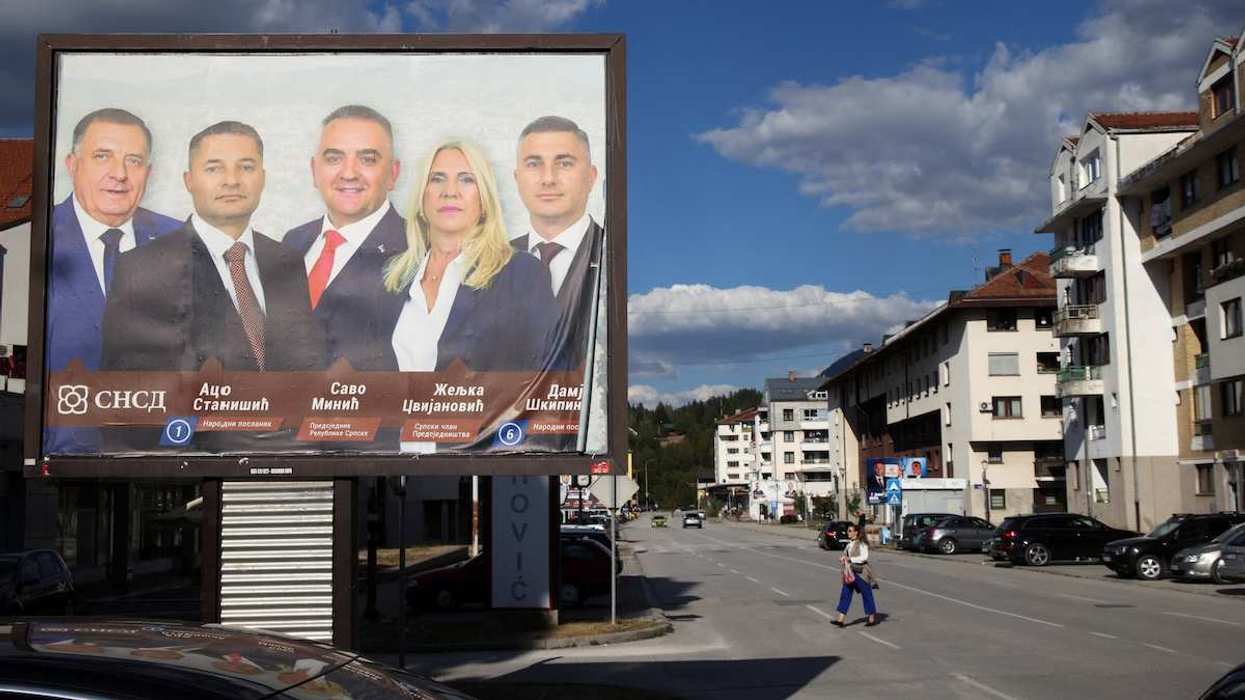
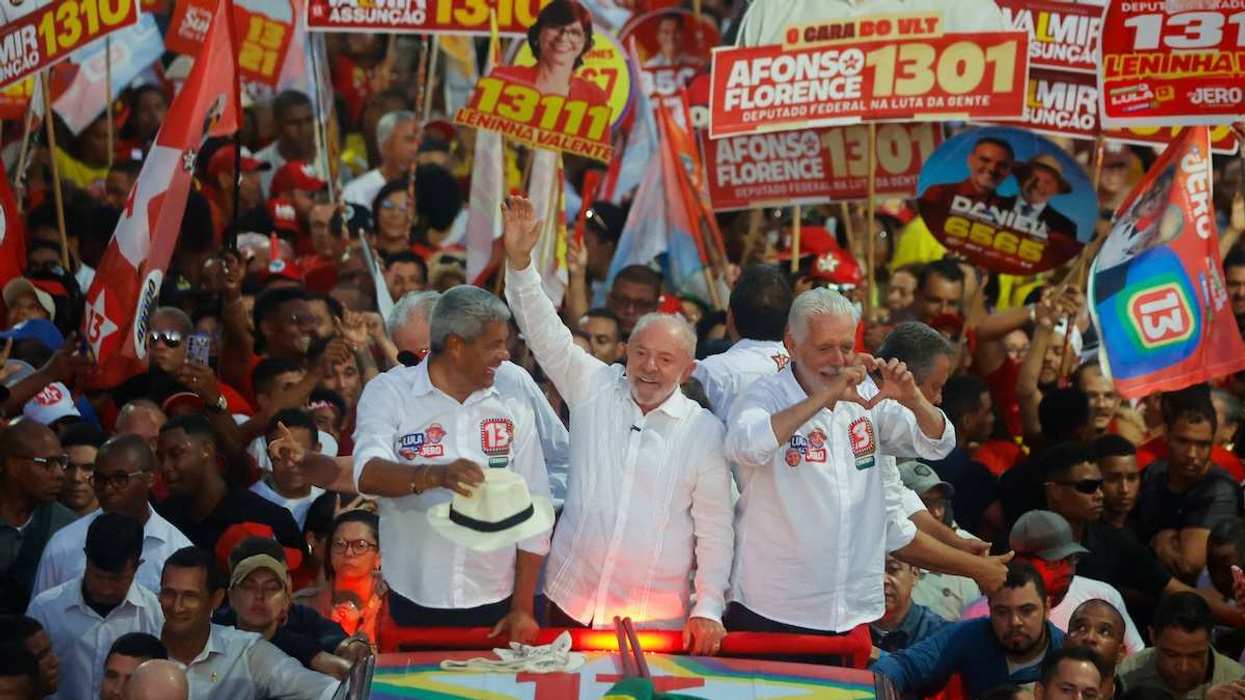
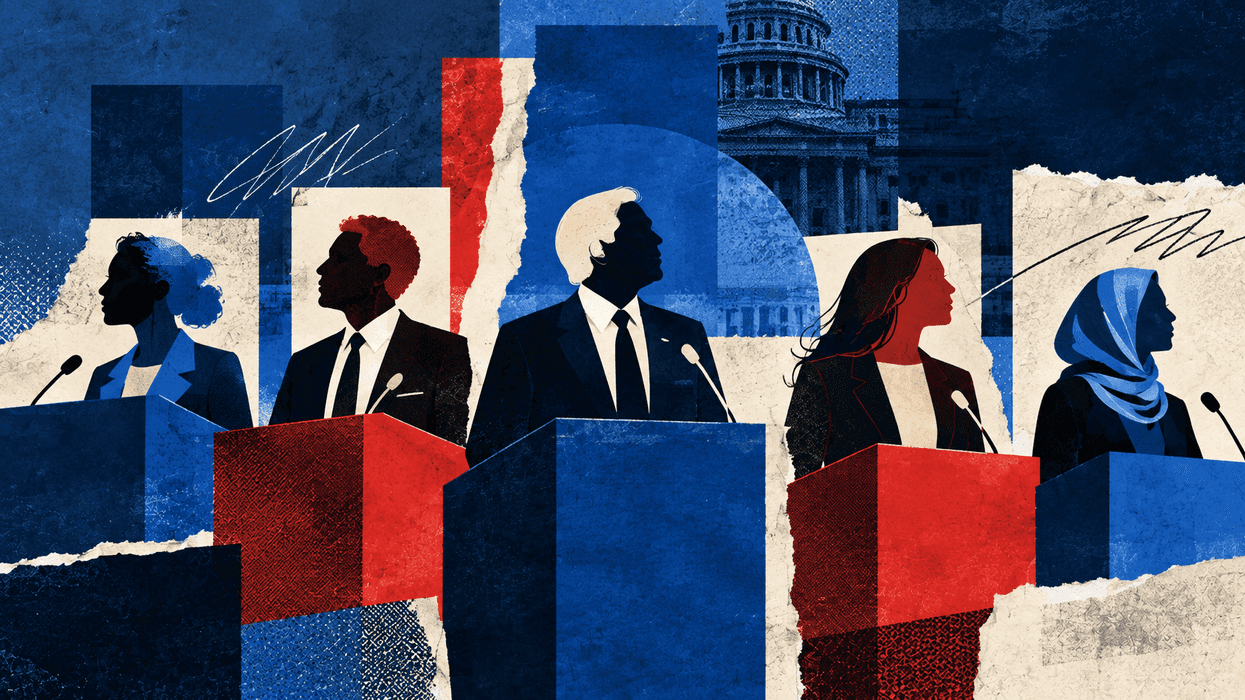
Hungarians will head to the polls on Sunday in an election that will be watched worldwide, as politicos of all stripes wait to see whether center-right opposition leader Péter Magyar can indeed oust 16-year incumbent Prime Minister Viktor Orbán. The campaign has been marred by Russian interference, accusations of a plot to blow up a pipeline, and concerns about the integrity of the vote. Even US Vice President JD Vance got involved this week, stumping for Orbán in Budapest – the hard-right Fidesz leader has become something of an oracle for the MAGA movement, showing how one can deliver an anti-woke, anti-immigrant agenda in the modern era. The election also has tangible and immediate implications for Europe: Orbán has been building ties with Moscow – he even held up European Union funds for Ukraine amid its war with Russia – while Magyar’s Tisza Party is more aligned with Brussels. Polls suggest Orbán’s hopes of reelection are hanging by a thread.
Peruvians head to the polls, too
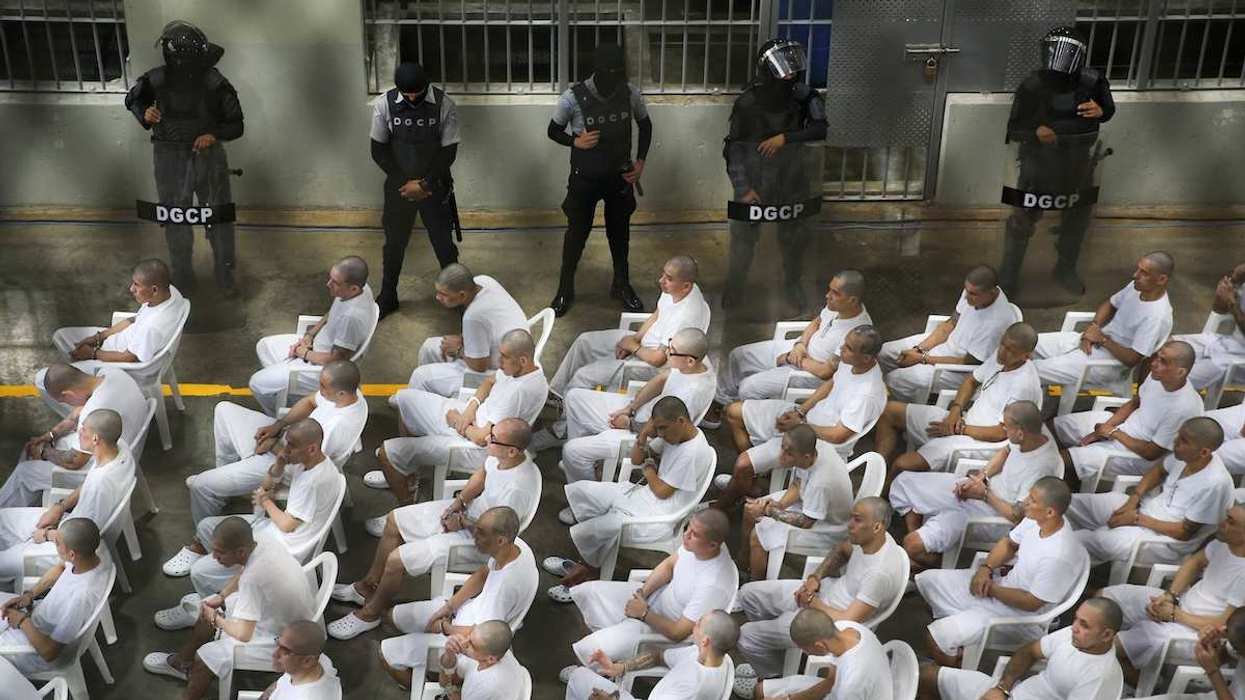
Speaking of elections, Peru will have a contest of its own on Sunday, when roughly 27 million registered voters will be able to cast their ballots in the country’s ninth presidential poll in the last decade. The main issues are a little different than the ones in Hungary, though are familiar to Latin American citizens: rising violent crime and corruption. Several solutions have been put forward to address the former, including megaprisons and the return of capital punishment. A trio of conservative candidates – Keiko Fujimori, Rafael López Aliaga and Carlos Álvarez – are expected to perform best. With a record 35 candidates running to lead this gold- and copper-rich country, though, and 50% of the vote required to win outright, the election will likely go to a June runoff.
Cuba’s president says he won’t step down
In his first interview with an American network, Cuban President Miguel Díaz-Canel told NBC on Thursday he has no plans to step down amid rising pressure from Washington, saying he was “not elected by the United States.” Ever since the US toppled Venezuelan strongman Nicolás Maduro and cut vital supplies of Venezuelan oil to Cuba, the communist-run island has been under withering pressure to cut a “deal” with the Trump administration that would, at a minimum, open the country to more US investment. As some seasoned observers have pointed out, the aim doesn’t seem to be to change the Cuban regime so much as to make it a client state like Venezuela. If Diaz-Canel won’t be that client, is it possible someone else in the corrupted regime might step up? The US will likely push Havana harder in the coming months.
Bonus watching: Civil war goes bananas
Here at GZERO we solemnly swear to keep you up to date on conflicts around the world, no matter who, no matter where on the evolutionary chain. In line with that, scientists believe that they observed what may be the first “civil war” among wild chimpanzees, per a new study released this week. The largest group of chimpanzees in the world lived cohesively for 20 years, but have made a seemingly permanent break since due to changes in social hierarchy and disease, leading members of the pack to wage coordinated attacks against their own.