After two weeks of nationwide protests against his bid to run for a fifth consecutive term, the nearly-incapacitated Algerian President Abdelaziz Bouteflika issued a statement yesterday announcing he will withdraw from next month's election. The vote will be postponed, and the government will be reshuffled.
The momentum of the protests and a general strike this week that threatened the country's crucial oil and gas industry likely convinced Bouteflika's handlers to change course. A telling moment came over the weekend when the head of Algeria's powerful military signaled that the armed forces were sympathetic to the protesters. Note to embattled dictators: when the military no longer supports you, the game is up. (Cue nervous laughter from the presidential palace in Venezuela.)
But while Bouteflika's withdrawal from the election may calm the protests for now, it's a move that poses more questions than it answers.
For one thing, Bouteflika has not resigned, and the men who have been running the country for him are still very much in power. Will they use that power to shape a transition that satisfies the grievances and aspirations of the protesters? Or will the military manipulate popular demands for change in order to secure a cosmetic transition of power? (Cue chuckles from the presidential palace in Egypt, where the military did just that.) A video that went viral yesterday summed up this fear: in it a young Algerian man shouts to a reporter that the regime has merely "changed one pawn for another."
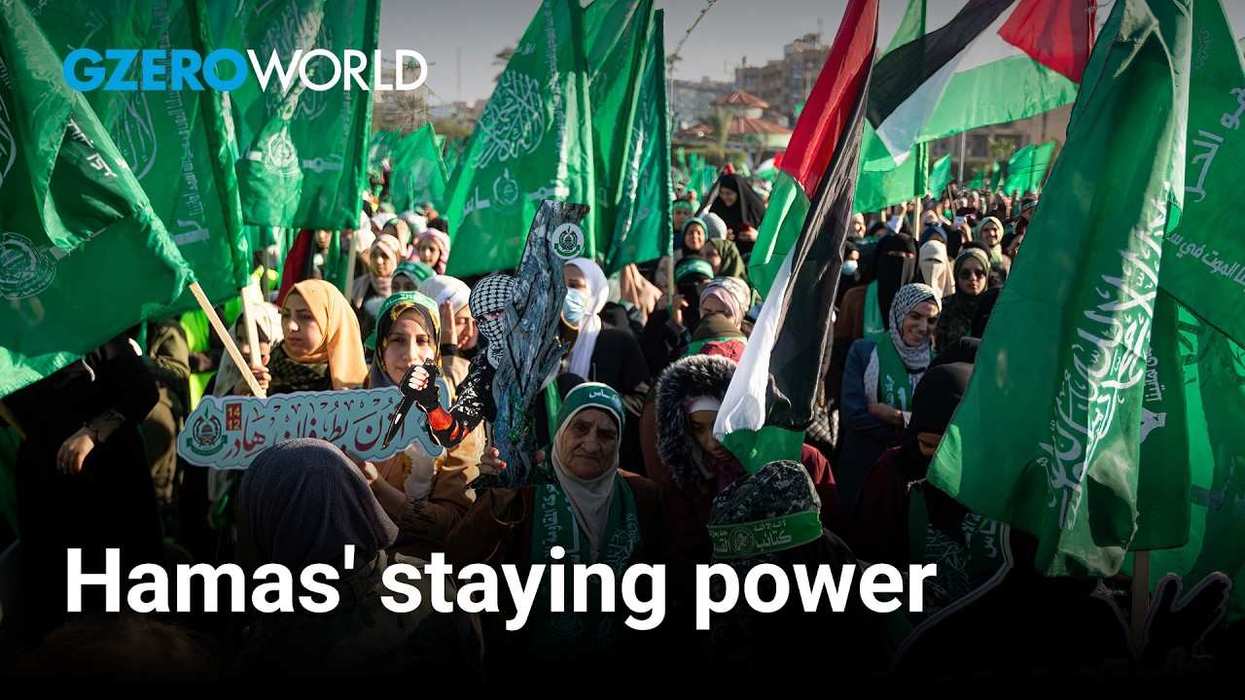
Hundreds of thousands of young Algerians like him hit the streets these past two weeks not only because they wanted Bouteflika to leave, but because they're frustrated with the broader "système" -- a corrupt, opaque government that, despite massive oil wealth, has failed to create enough economic opportunity in a country where 70 percent of the population is under 30 years old.
After thirty years in which Algeria has known a brutal civil war followed by a stifling peace, the protests have opened up the possibility of a substantive change. But unless the government is prepared to concede more than the slow-motion removal of a half-dead president, that promise may yet go perilously unrealized.