We're now six months into the worst public health and economic crisis most countries have seen in generations. But how is that affecting politics? We take a look at the leaders of the countries that currently have the five largest death tolls.
#5 UK: 41,000 deaths. At the beginning of the year, British Prime Minister Boris Johnson was basking in the biggest Conservative election victory in 33 years, and preparing to play hardball with European Union trade negotiators over post-Brexit ties. Enter: coronavirus. After first downplaying the pandemic and suggesting a laissez-mourir herd immunity approach, he caved to science and imposed lockdowns.
But his dithering produced the worst of both worlds: Europe's highest death toll and its biggest economic downturn. Now EU talks are all but stalled, and no one knows how big the additional economic hit of Brexit will be. Meanwhile, the opposition Labour Party is back in the game under popular new leader Sir Keir Starmer.
When current wage support schemes expire this fall, Johnson will have to decide whether to renew them (he doesn't want to) or risk the political fallout of soaring unemployment, particularly in UK regions that were key to his victory. And if there is a second coronavirus wave, can the once invincible-looking Johnson really make it to the next election?
#4 India: 60,000 deaths. From the very start, Indian Prime Minister Narendra Modi faced a difficult challenge: how to impose lockdowns in a country where a huge informal economy and sprawling urban slums make it impossible for hundreds of millions of Indians to work from home or practice social distancing.
His early move to impose a nationwide lockdown on short notice initially created chaos, but it also showed decisiveness and leadership that helped to keep his approval ratings high. What's more, Modi and his ruling BJP party have controlled the narrative well — both through traditional media outlets and a sophisticated social media game — amid the weakness of the opposition Congress Party.
Still, Modi is facing a huge economic challenge: growth was already slowing before COVID-19, and there's little relief in sight. Keep an eye on some of the state elections coming up for a barometer of how BJP/Modi are faring.
#3 Mexico: 61,000 deaths. When the pandemic hit Mexico, left-wing populist President Andrés Manuel López Obrador (AMLO) worried about the economic impact of lockdowns on the poor, so he told Mexicans that they should just go out to eat. Since then tens of thousands have died of COVID-19, while the economy has suffered a historic triple shock of falling energy prices, evaporating tourism, and lockdowns.
Polls show growing reservations about the government's response, but AMLO's own approval ratings overall have held broadly stable in the low 60s. In part that's because the opposition — the long-governing establishment parties whose monopoly on power he and his Morena party broke — is in disarray and besieged by bombshell corruption investigations.
But the going is about to get tougher for AMLO: the economy will shrink 10 percent this year but, strapped for cash, he's resisted shelling out more money on social programs that help the lower-income Mexicans who are his base. Next year's midterms will be a referendum on AMLO's handling of the virus and the economy.
#2 Brazil: 117,000 deaths. President Jair Bolsonaro ridiculed the disease even as it surged in Brazil. He lost two consecutive health ministers over it, and faced a bombshell obstruction of justice charge. As his polling plummeted and talk of impeachment swirled, he urged protests against Congress and the Supreme Court, stoking fears that a leader so openly nostalgic for the days of dictatorship might try to stage a coup.
But now, stimulus checks have helped his poll numbers to 37 percent, their highest mark on record (at least among those who rate him "excellent" or "good.") To be fair, 37 isn't exactly a bell-ringer, and if the stimulus dries up without the economy turning around, Bolsonaro would be in trouble again. But for now, he has to feel cautiously good about his prospects for re-election in 2022. Bolsonaro has the unwavering commitment of a solid third of Brazilians. In a deeply polarized system, that might be enough.
#1 US: 182,000 deaths. America First wasn't supposed to apply to a pandemic death toll. But despite Donald Trump's erratic, highly politicized, and largely ineffective response his approval ratings have held around 40 percent.
That's in part because so many Americans see the pandemic the way they see everything else: through a partisan or pro/anti-Trump lens. And like his pal Bolsonaro, Trump can always rely on a hardcore 35 percent of the population, along with near total support among Republicans.
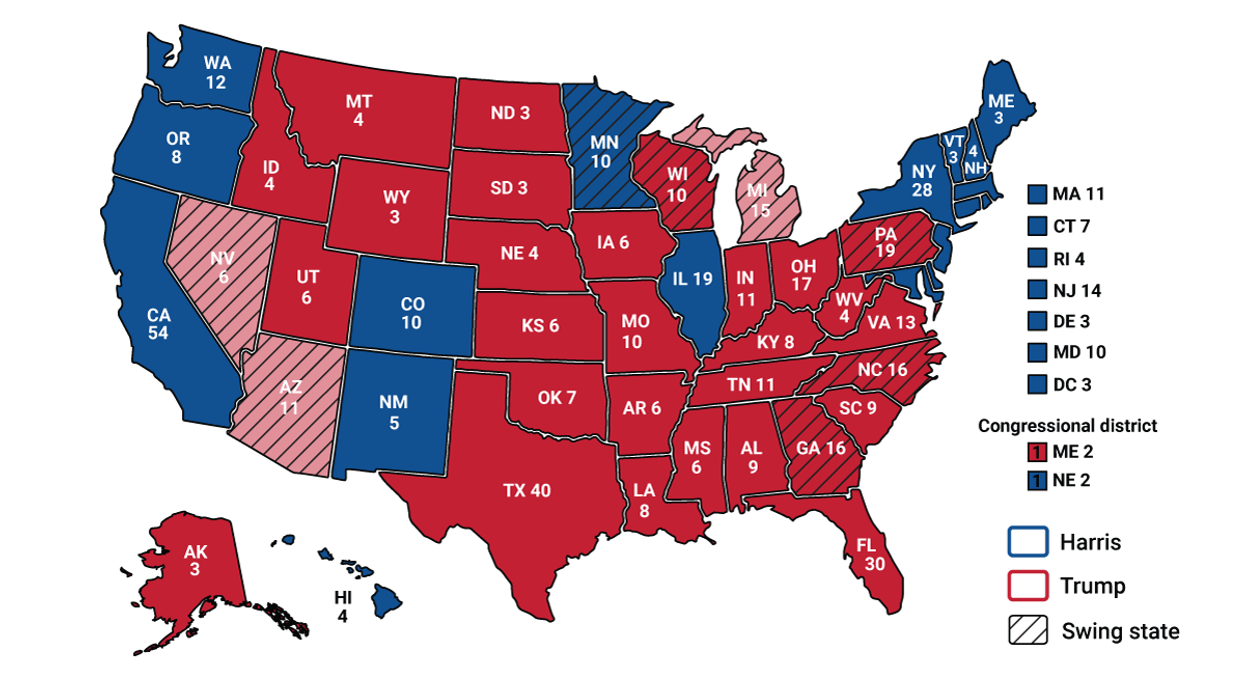
That's not a majority of voters, but given the quirks of the US Electoral College, it doesn't need to be. His rival Joe Biden is hammering Trump's mishandling of COVID-19 and the economic collapse it caused, but Trump knows that he's got a chance if November comes down to a few thousand (potentially mailed in) votes in swing states – what could go wrong?