Peter Foster is the public policy editor at the Financial Times in London. Our conversation has been edited for length and clarity.
Gabrielle Debinski: How much do the British people and government care about what's going on with the US election?
PF: You know, American elections are always box office events, even in the UK, but there is a lot going on here at the moment. There is a huge amount of fallout from the coronavirus crisis. A lot of unemployment coming down the tracks. And [recently] a big scandal about the handling of school examination results because exams didn't happen. So those domestic concerns override the impact of the US election immediately.
But Donald Trump is clearly an absolutely global figure, and he's very unpopular in the UK. So the question as to whether or not Donald Trump survives or not, which I suspect is the way most British ordinary people would frame the election, is one that does resonate over here.
GD: How would a Biden foreign policy towards the UK be different from the Trump administration's over the past four years?
PF: If you're the British government, like everybody, you've had to deal with the capriciousness, if that's the right word, of the Trump White House.
British governments are always, to some degree, at the mercy of the whims of the White House.
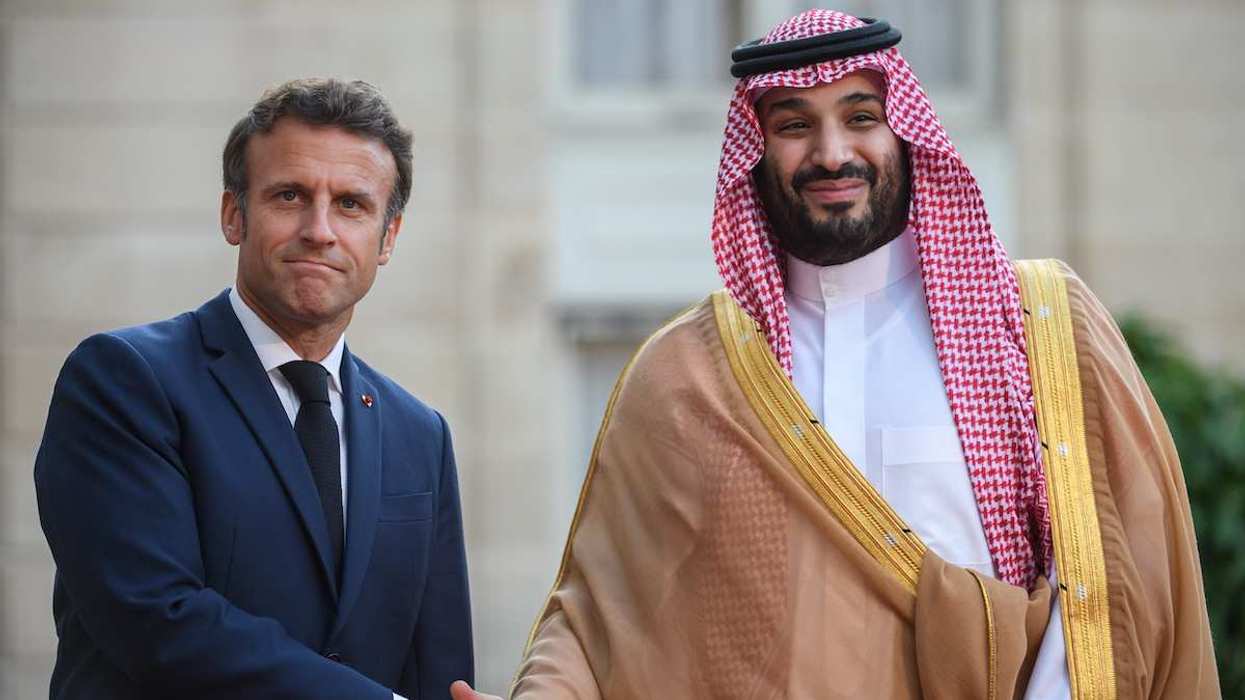
But with Donald Trump, it's sort of unique, almost on a daily basis. It is extremely difficult to deal in a sort of standardized way with Donald Trump. And I think we've seen, you know, those governments that have done well with Trump — "Bibi" Netanyahu in Israel and the Saudis, who are used to dealing with strongmen.
The British government, frankly, despite its Brexiteer credentials — which Donald Trump obviously is nominally in favor of — has struggled to adjust. And therefore, one of the things I think they will be hoping for from a Biden White House, if it comes to that, is stability, the reversion to familiar patterns, to consistency, to the old world, as they would see.
GD: On the surface Boris Johnson has enjoyed a very amicable relationship with President Trump. Do you still think that the British government is hoping for a return to the "predictability" that would come with a Biden administration?
PF: They would never say that but I wouldn't be surprised if there wasn't a certain amount of relief in the British government if a Biden administration gets in there.
Boris Johnson and Donald Trump are nominally more "pally" but it's also true, I think, that, for example, on Huawei, Trump "bawled out" Boris Johnson down the phone over his decision initially to allow Huawei to take part in 5G network. So to suggest that it's been a rosy relationship just because a Brexiteer Boris Johnson has been in Number 10 [Downing street], I think is simplistic.
The question perhaps is more that, if Biden gets in, is the British government overestimating what the return to the new normal would be? I think with Brexit, with the UK being on its own, London is going to have to adjust to being "piggy in the middle" between Brussels and Washington in terms of trade, and will have to triangulate much more actively its diplomatic relations between Washington and EU capitals — as well as its new trade partners in the Asia Pacific. I don't think a Biden administration suddenly solves all those problems, which are, you know, the result of the UK's decision to quit the European Union.
GD: I want to turn back to the to the domestic issues you mentioned. The British government's furlough scheme — a response to the COVID-induced economic crisis — is is set to end in October. What comes next once that scheme ends?
PF: When the furlough scheme ends, the fiscal anesthetic wears off from the coronavirus crisis. You could see a really, really difficult autumn coming down the tracks for the British government just when your election is taking place in the States.
Trade groups here are already talking about unemployment — bloodbath unemployment — going back to the levels it was in the early 80s, which would be incredibly difficult at a time when coronavirus numbers will probably be going up seasonally with the winter, and the British government will be absolutely in the kind of white heat of a Brexit negotiation [Ed: on trade relations with the EU, which is supposed to be completed by the end of the year]. The British government will be juggling those three balls come election time in November. It will have a lot on its mind.
GD: Looking back now, how much did the outcome of the 2016 election affect relations between the US and UK?
PF: It's a really good hypothetical question. I think if Clinton had won, Europe, Brussels, and Paris would have been much less jumpy about Brexit and therefore might have been more accommodating to the UK, less defensive in its negotiations.
We have ended up with the hardest possible Brexit as a result of that, because, if you remember 2016, the referendum happened for the UK to leave the EU and then Donald Trump won that election — that shock election victory — and suddenly, Trump was really trolling Germany and coming out and questioning the value of NATO. It felt like there was a sort of populist revolution going on all around the world and Brussels felt it was the last bulwark against that and therefore it dug its heels in really quickly.
With a Clinton foreign policy, we would have seen continuity with the climate change agreement. We would have seen the JCPOA [with Iran] persist. It would have felt much more normal, I think, much less mercantilism, much less confrontation with China. And I think that background probably would have made it easier for the UK to transition into its new world post Brexit.
GD: Is Downing Street jumpy about the increasing hostility between the US and China?
This government has always tried to hedge its bets. Investment rates in the UK from China are much higher than they are across the rest of Europe. But, you know, the UK has had to hedge its bets on Huawei because of the Trump White House.
Even if it had remained a member of the EU, the UK would have struggled to be "piggy in the middle" between Washington and Beijing, as they are at the moment.
This interview is part of the GZERO project Global voices on the US election, which you can find in full here.