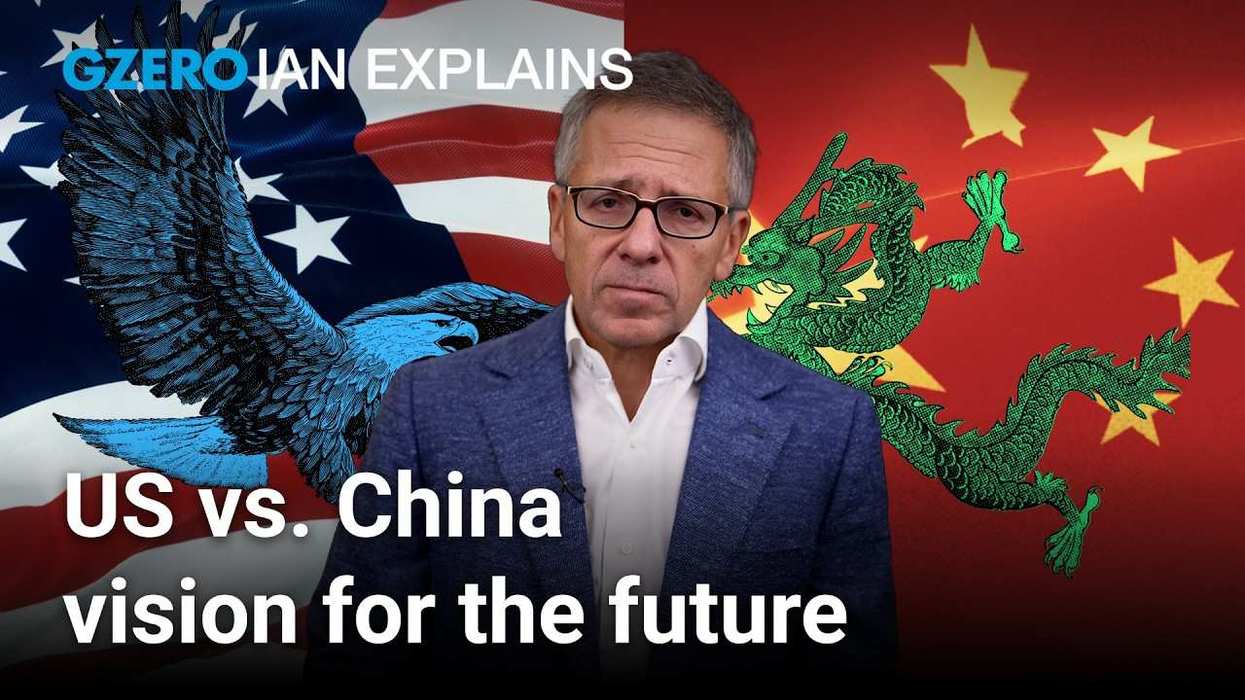
Every January, Eurasia Group, our parent company, produces a report with its forecast for the Top 10 Risks for the world in the year ahead. Its authors are EG President Ian Bremmer and EG Chairman Cliff Kupchan.
Disclaimer: Your Signal author has contributed to these Top Risks reports for the past 18 years.
Here are (very) brief summaries of the 10 most important risks that will preoccupy world leaders, business decision-makers, and the rest of us in 2023, according to Bremmer and Kupchan. You can read the full report here.
1. Rogue Russia
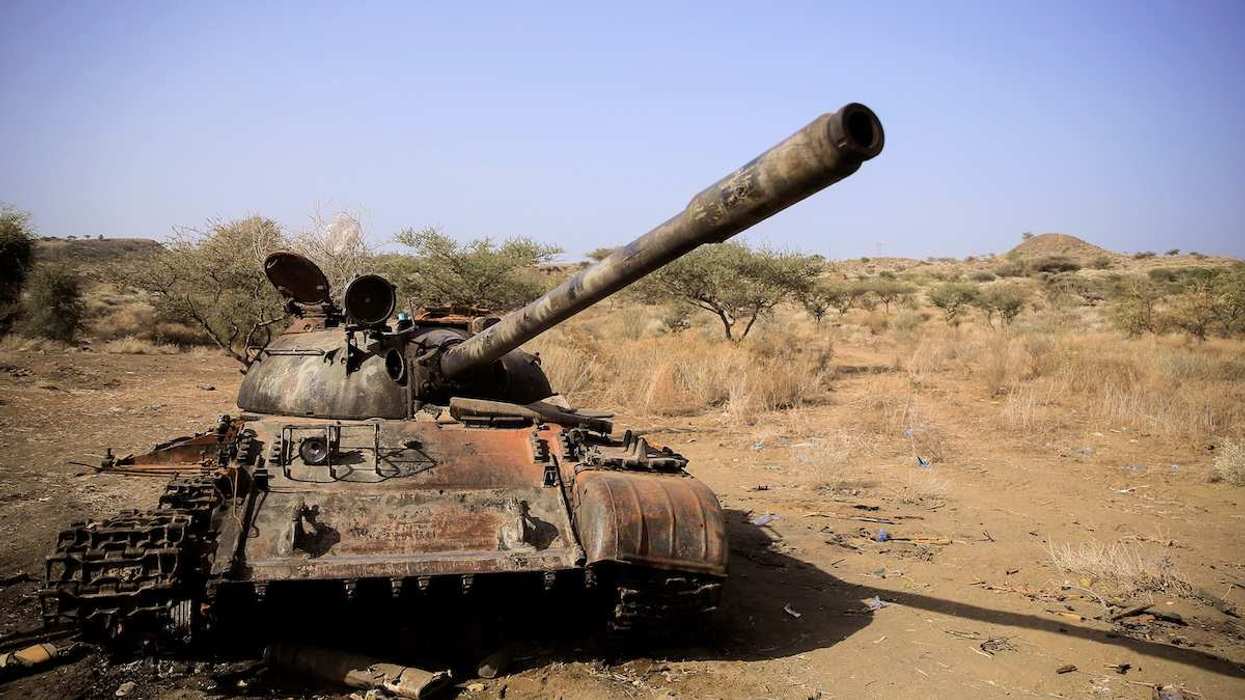
A cornered Russia will turn from a global player into the world’s most dangerous rogue state, posing a serious and pervasive danger to Europe, the US, and beyond. Bogged down in Ukraine, with little to lose from further isolation and Western retaliation, and facing intense domestic pressure to show strength, Russia will turn to asymmetric warfare against the West to inflict damage through a thousand “paper cuts” rather than through overt aggression that requires military and economic power Russia no longer has.
Vladimir Putin’s nuclear saber-rattling will escalate. Kremlin-affiliated hackers will ramp up increasingly sophisticated cyberattacks on Western firms, governments, and infrastructure. Russia will intensify its offensive against Western elections by systematically supporting and funding disinformation and extremism. Attacks on Ukrainian infrastructure will continue.
In short, Rogue Russia is a threat to global security, Western political systems, the cybersphere, and food security. Not to mention every Ukrainian civilian.
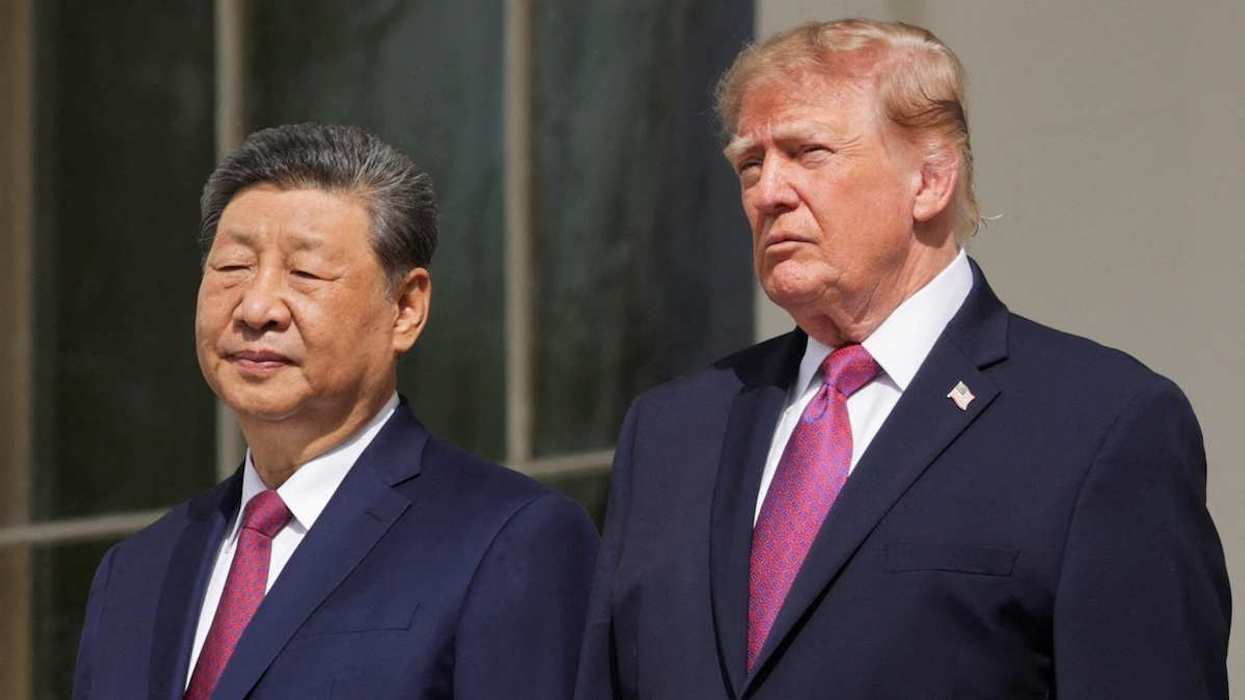
2. Maximum Xi
Xi Jinping now has a command of China’s political system unrivaled since Mao with (very) few limits on his ability to advance his statist and nationalist policy agenda. But with no dissenting voices to challenge his views, his ability to make big long-term mistakes is also unrivaled. That’s a massive global challenge given China’s outsized role in the world economy.
EG sees risks in three areas this year, all stemming from Maximum Xi. The ill effects of centralized decision-making on public health will continue with COVID’s spread. Xi’s drive for state control of China’s economy will produce arbitrary decisions, policy volatility, and heightened uncertainty for a country already weakened by two years of extreme Covid controls. Finally, Xi’s nationalist views and assertive foreign policy will increasingly provoke resistance from the West and China’s Asian neighbors.
3. Weapons of mass disruption
Recent advances represent a step change in the potential for artificial intelligence to manipulate people and disrupt society. 2023 will be a tipping point for this trend, helping autocrats undermine democracy abroad and stifle dissent at home, and enabling demagogues and populists within democracies to weaponize AI for narrow political gain at the expense of democracy and civil society.
4. Inflation shockwaves
The global inflation shock that began in the United States in 2021 and took hold worldwide in 2022 will have powerful economic and political ripple effects in 2023.
5. Iran in a corner
Facing convulsions at home while lashing out abroad, this year will feature new confrontations between the Islamic Republic and the West.
6. Energy crunch
A combination of geopolitics, economics, and production factors will create much tighter energy market conditions, particularly in the second half of 2023.
7. Arrested global development
Citizens of developing countries will become more vulnerable as the COVID fallout, the continuing Russia-Ukraine war, and global inflation push human development gains into reverse.
8. Divided States of America
The U.S. remains the most politically polarized and dysfunctional of the world’s advanced industrial democracies, and extreme policy divergences between red and blue states will make it harder for U.S. and foreign companies to treat the United States as a single coherent market.
9. Tik Tok boom
Larger numbers of Generation Z, the first generation with no experience of life without the internet, will organize online to reshape corporate and public policy, disrupting companies and politics.
10. Water stress
This year, water stress will become a global and systemic challenge.
Red Herrings: the risks that Eurasia Group believes are overrated.
- Western support for Ukraine will not fade in 2023.
- The EU will remain remarkably unified on priority challenges.
- There will be no security crisis over Taiwan in 2023.
- Domestic challenges in both countries will keep US-China tech war tensions in check.