During a speech in the White House Rose Garden on Wednesday, Donald Trump announced a 10% across-the-board tariff on US imports, with higher rates for countries that have a larger trade surplus with the United States – to the tune of 20% for the EU, 54% for China, and 46% for Vietnam, to name a few of the hardest-hit. Trump also confirmed that he’s imposing 25% levies on foreign-made cars and parts.
There are some exceptions: Neither Canada nor Mexico were singled out for “reciprocal” tariffs. While they are subject to automobile and steel tariffs, products compliant with the USMCA agreement – around 38% of imports from Canada and 50% from Mexico – will not be subject to any tariffs.
How are countries responding? The 10% tariffs will take effect on April 5, followed by the extra “reciprocal” duties on April 9. This timeline gives countries a chance to retaliate, and many have vowed to do so by imposing equally high tariffs on US imports. The EU said on Thursday that it would impose countermeasures if negotiations with the White House don’t go anywhere. China echoed the Europeans’ approach, threatening countermeasures if the US doesn’t pull back. Other countries were more muted, though: India said it would be “measured” in response, while Australia won’t counter at all.
The Trump administration is betting that some may choose to negotiate, either by lowering their own tariffs or increasing investments in the US. “My advice to every country right now is, do not retaliate,” warned Treasury Secretary Scott Bessent on Fox News. “If you retaliate, there will be escalation. If you don’t, this is the high watermark.”
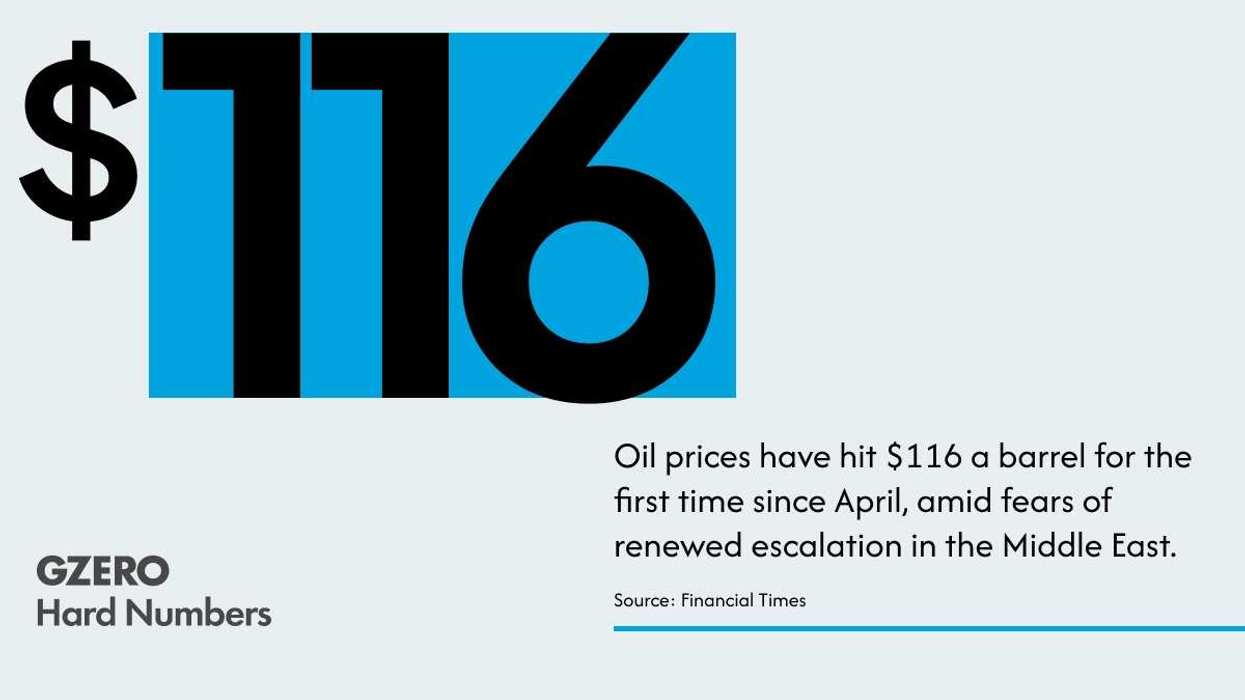
Financial markets react. S&P and NASDAQ futures declined by 3.5% and 4.5%, respectively. Meanwhile, New York copper futures are experiencing the sharpest drop, plunging as much as 4%, while crude oil fell by over 3%.
Promises made, promises kept. From the blue-collar workers scattered throughout the Rose Garden crowd to the Teamsters union shoutout, the goal of the tariffs was clear: Trump wants to reshore manufacturing to the US. He also hopes that the revenue collected from tariffs will pay for the tax cuts making their way through Congress.
Trump is making a political gamble that the short-term pain from tariffs — price inflation and possibly even a recession — will be offset by economic benefits from tax cuts, deregulation, and expanded manufacturing. He’s betting that these benefits will arrive before the 2026 midterm elections. If he’s wrong, his party is likely to pay a heavy price at the ballot box.