The year kicked off with a US strike on a top general that put Iran on the brink of war with America. US President Donald Trump survived impeachment, Brexit became official, Jared Kushner unveiled a (one-sided) US peace plan for the Middle East, India became a "rogue state," and we learned about the first cases outside China of a mysterious new virus that originated in Wuhan.
COVID-19 unleashed a pandemic that upended the world by mid-March. As entire countries shut down their economies, and the death toll climbed, first across Europe and then the US, China deflected blame. The entire world was impacted by the worst global crisis since World War II and prepared for an economic hit that would far exceed the last worldwide recession.
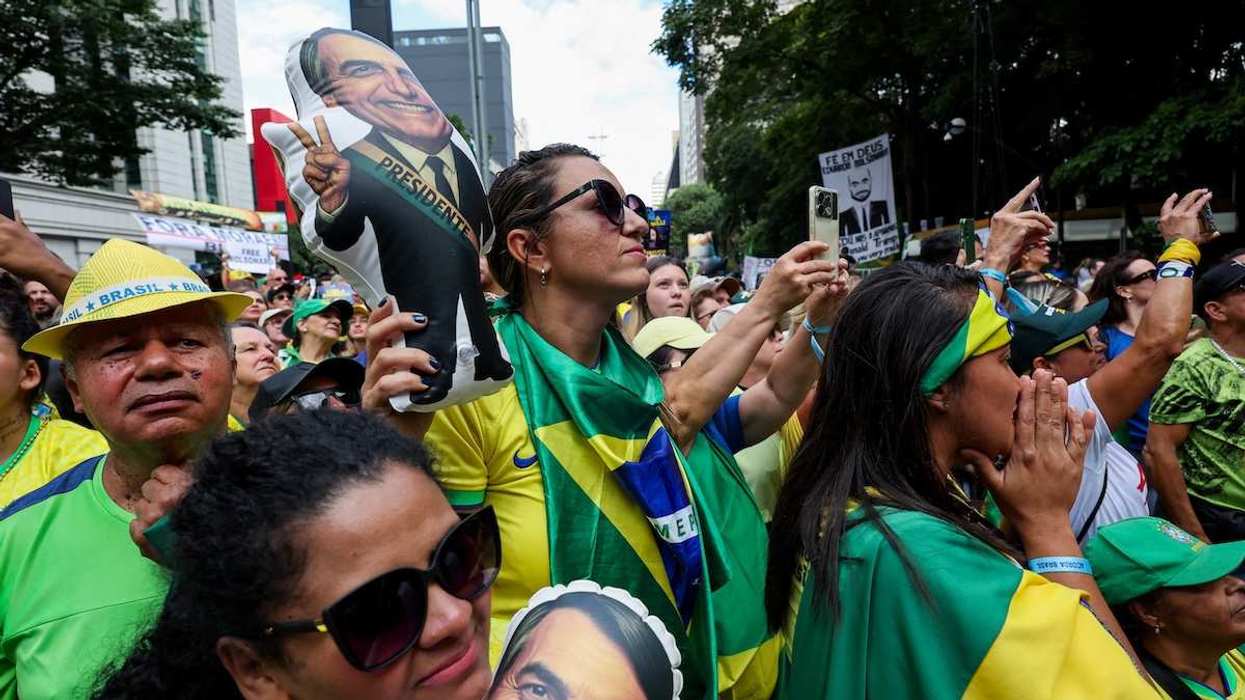
The summer saw major street protests, first in the US over racial justice following the killing of George Floyd, and then to oust decaying regimes in Belarus and Thailand. We covered political, social, and economic crises in Lebanon, the South Caucasus, Ethiopia, and Venezuela. Jair Bolsonaro went through ups and downs in Brazil, and local journalists around the world braced for a bitter US election in the fall — which Joe Biden won.
As we look back at this annus horribilis, here's what we learned about the state of geopolitics today.
First, we live in a world that is a lot more G-Zero now than just twelve months ago.
A G-Zero world is one in which the G7, G20, and G-everything else gives way to a more broadly fragmented global power structure with no leadership compass. Faced with a once-in-a-generation crisis in 2020, global cooperation was almost entirely absent, with most countries dealing with the common COVID enemy on their own (as Trump did by walking away from the World Health Organization).
The crisis did, however, spur unprecedented progress in the vaccine race, and forced a rare consensus within the European Union on a rescue package for the bloc's economic recovery.
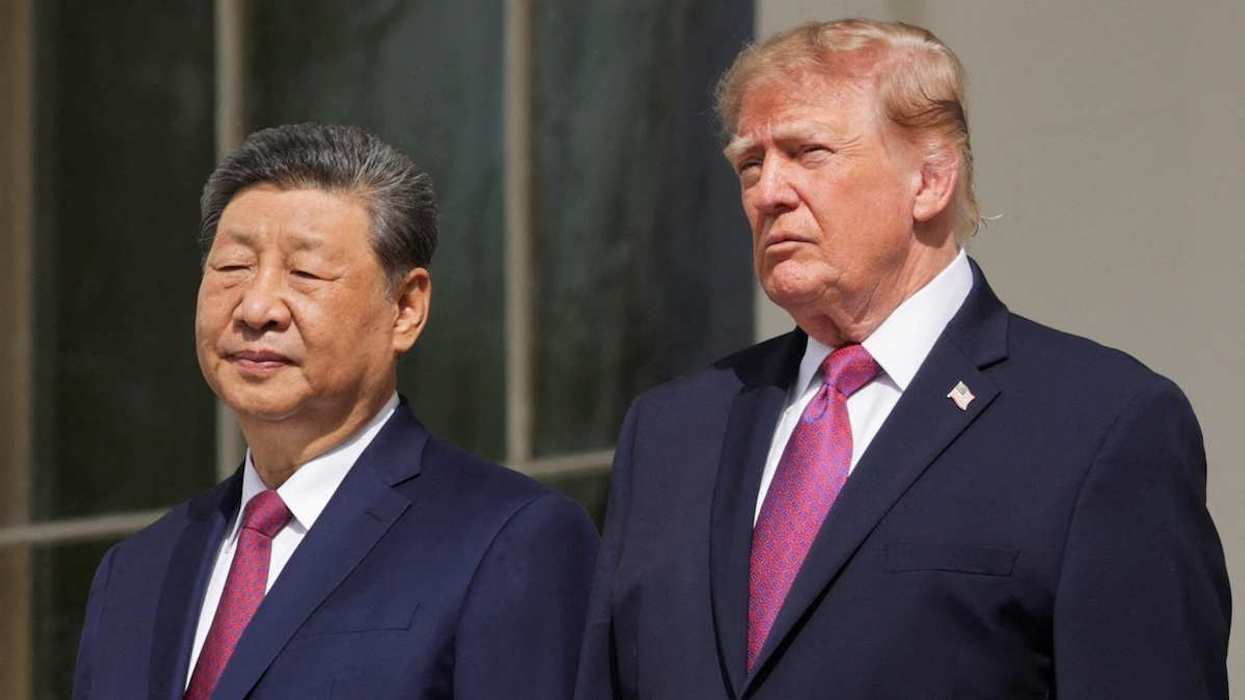
In a global power vacuum, China saw an opening to make its move on Hong Kong, where democracy is now officially over. China also clashed with India over their Himalayan border, and the US-China rivalry heated up with tussles over the South China Sea and Taiwan.
Second, the pandemic exposed deep fissures in our societies.
Crises always do, but COVID-19 had a disproportionate impact on the poor, minorities, and women in the US and other countries. When the George Floyd protests went global, we looked into the broader r issue of policing in America, and racial equality around the world.
The pandemic also revealed the fragility of the US economy, took an enormous toll on mental health, and cast a light on widening inequality — which multilateralism is struggling to address (along with climate change) as the United Nations turned 75.
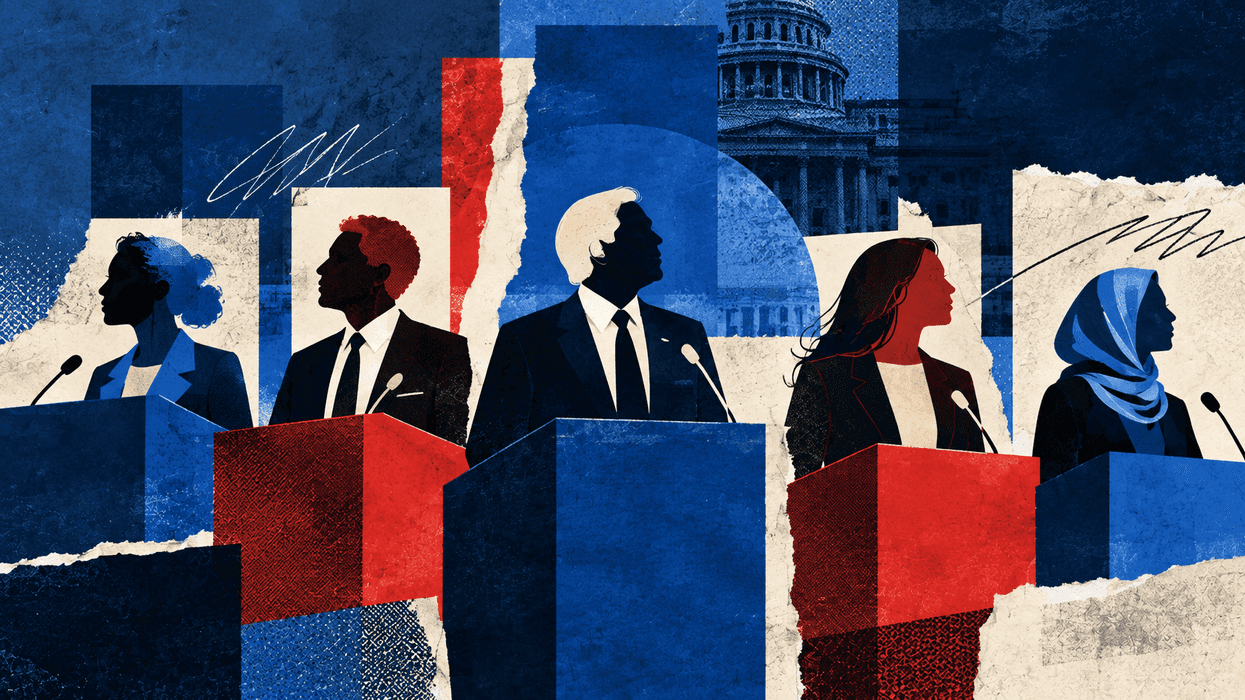
Third, the US election turned out to be every bit as contentious and contested as we expected.
As the Joe Biden campaign gathered momentum, we predicted what his foreign policy would look like, and discussed how to hold a safe election with a surge in mail-in voting amid a pandemic. We later analyzed how taking office will be no walk in the park for Biden, whose administration's future success in part depends on the result of a January runoff election in Georgia for control of the US Senate.
Even as individual states certified the results, Trump still refused to concede, and his efforts to question the legitimacy of the vote will reverberate for years to come. Biden inherits a deeply divided country.
Looking ahead: The good news is that 2020 is almost over, and we are ending it on a (cautiously) optimistic note with vaccine rollouts in a host of countries, and continuing hopes that the Brexit saga ends with a trade deal. But the pandemic won't be over anytime soon, and just as no one saw COVID coming one year ago, 2021 will surely bring this G-Zero world a few challenges that no one will have foreseen.