Did 2021 actually happen, or are we still stuck in 2020? So many things seem to have barely changed this year. After all, we’re entering yet another holiday season worried about a fresh wave of the pandemic, and uncertain about what comes next for our economies and our politics.
In a lot of ways, the past 365 days feel like a year of unfulfilled promise. Let’s have a look back at what did, and did not happen in 2021.
The year kicked off with US democracy in deep trouble: first the Capitol insurrection, and later Donald Trump's second impeachment over it. After Joe Biden was inaugurated as president, he told the world: America is back. (Spoiler: the world is still waiting.)
Global attention soon turned to the COVID vaccine rollout. It sputtered at first, but even when it got better it exposed deep divisions over things like health passes, vaccine mandates, and patent waivers. The vaccination gap between the rich world and everyone else was hard to ignore. Still, to have inoculated half the world’s population in under a year is no mean feat.
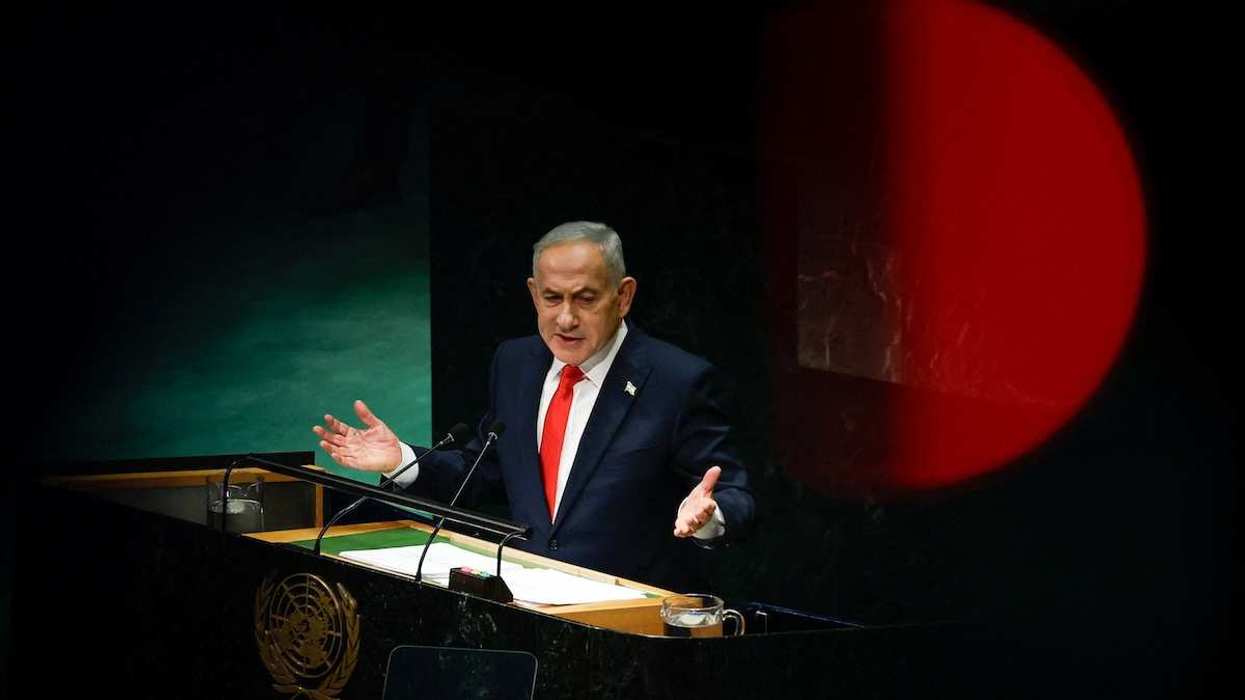
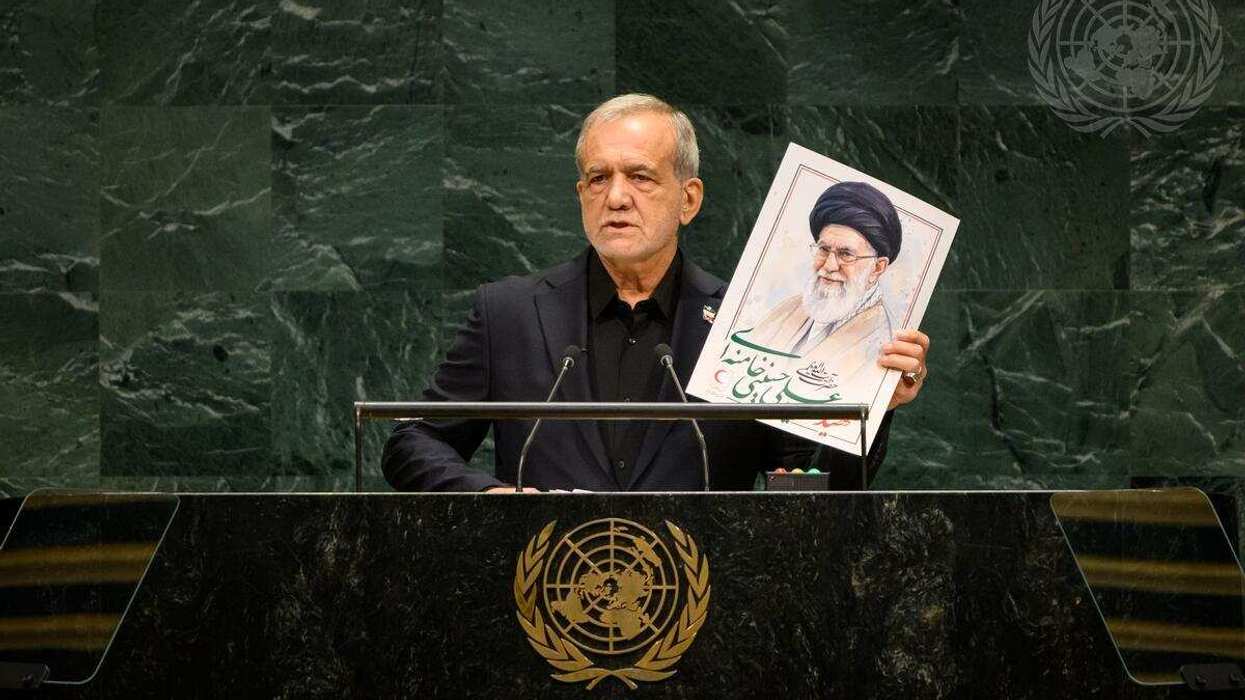
Middle East politics got hot again with a brief war between Israel and Hamas, Iran's presidential "election," and Bibi Netanyahu ousted as Israeli PM after 12 tumultuous years.
Then came a series of extreme weather events that focused everyone’s attention on climate change just months ahead of the COP26 climate summit. But first, the world watched in disbelief as the US chaotically withdrew from Afghanistan, and then the Taliban reclaimed power virtually overnight — right before the 20th anniversary of 9/11.
Like in 2020, global cooperation was hard to come by, as we saw a bit at UNGA but much more at COP26. The fact that even faced with such an existential problem, the world’s top polluters failed to agree on the same deadline for net zero emissions revealed again how fragmented global politics have become. Forget G20 or G7 — we live in a rudderless, G-Zero world.
In such crazy times, arguably the smoothest political transition came after the German election, with Angela Merkel handing over the reins after 16 years as chancellor — and Europe’s de-facto leader — to Olaf Scholz.
And now, as the end of the year approaches, we are about to mark the 30th anniversary of the Soviet Union’s collapse worrying about whether Vladimir Putin actually intends to invade Ukraine.
More broadly, there are three things that didn't really play out as many people expected they would at the start of the year.
First, US-China ties didn't get quite as bad as many feared. With Biden in the White House, the world’s two largest economies didn't exactly bury the hatchet. They remain at odds over trade, technology, Taiwan, the South China Sea, and Xinjiang. But they did find some common ground on climate — and domestic distractions for both countries helped quiet the rumblings of a new Cold War. (Not to mention a hot war, which as retired US Adm. James Stavridis told us, could start over Taiwan.)
The arrested development of deteriorating relations wasn't the product of anybody's grand design. Biden began his presidency with big foreign-policy ambitions, but he soon got bogged down at home by squabbling among Democrats over his domestic agenda, and later by Afghanistan. Xi Jinping, for his part, showed more interest in further consolidating his own power over tech giants, the Chinese economy, and the ruling Communist Party than in picking fights with Biden.
Whether the Cold Peace will hold in 2022 will likely depend on what happens inside each country, especially if they really start to recover from the pandemic.
Second, 2021 was the year of the vaccine, but the jabs on their own didn't end COVID. The good news is that vaccines were successful at bringing down deaths and severe illnesses. The bad news is that distribution was unequal, and hesitancy higher than expected in some places.
Where access to jabs was lacking, the delta variant brought a more deadly wave, like the one that ravaged India for weeks. (We spoke to Indian journalist Barkha Dutt the day after her own father had succumbed to the virus.) Now we are waiting to see how effective the current jabs are the face of omicron.
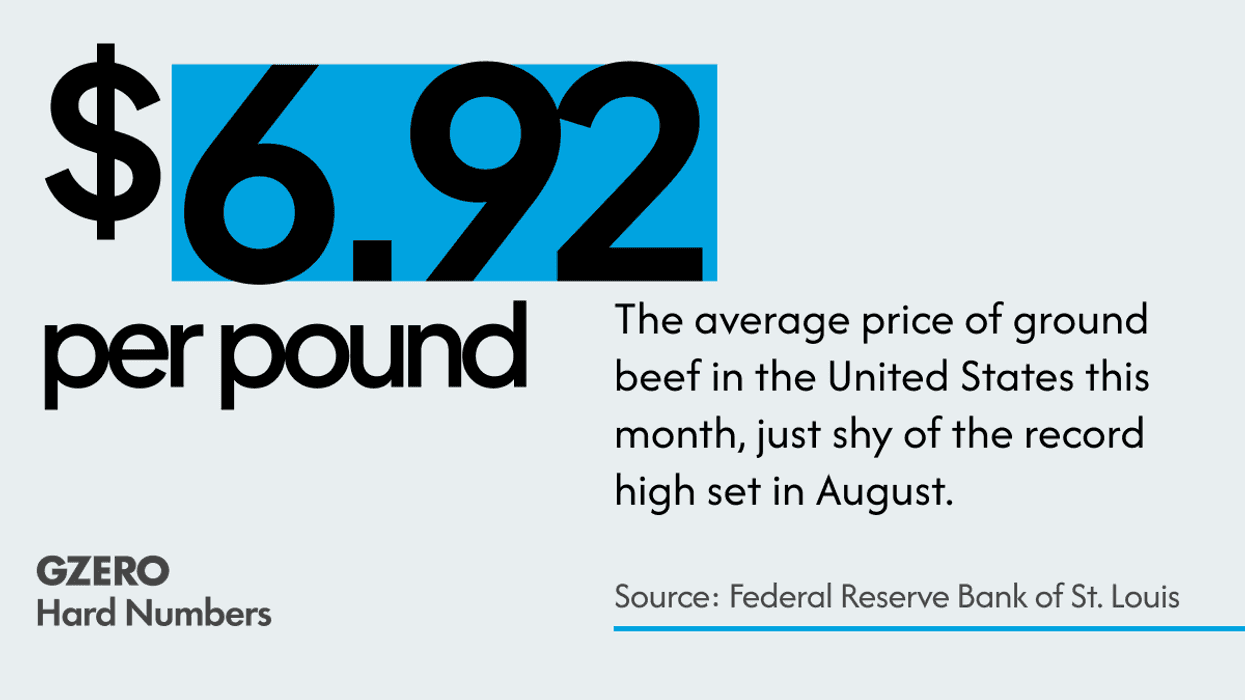
Finally, the post-pandemic recovery was not what we hoped for — mainly because we never made it to the “post-pandemic” at all. Even where economic growth rebounded to pre-pandemic levels, the lingering virus messed up supply chains (check out Ian Bremmer's explainer), drove up the prices of food, energy, and pretty much everything else.
US economist Larry Summers told us why he sounded the alarm bell on inflation earlier in the year. We also learned from LSE's Minouche Shafik about how women bore the brunt of the unequal pandemic recovery.
It’s been a disappointing year, but one way in which 2020 mirrors 2021 is that we end the year with fresh hope. Last year we looked forward to the arrival of the vaccine to change things. This year we look ahead to 2022 hoping that the current pandemic wave may be the last major one. Let’s see how our optimism fares this time around.