The risks of a regional war in the Middle East are rising, as a number of different actors with competing interests and historic rivalries become increasingly entangled amid the war in Gaza.
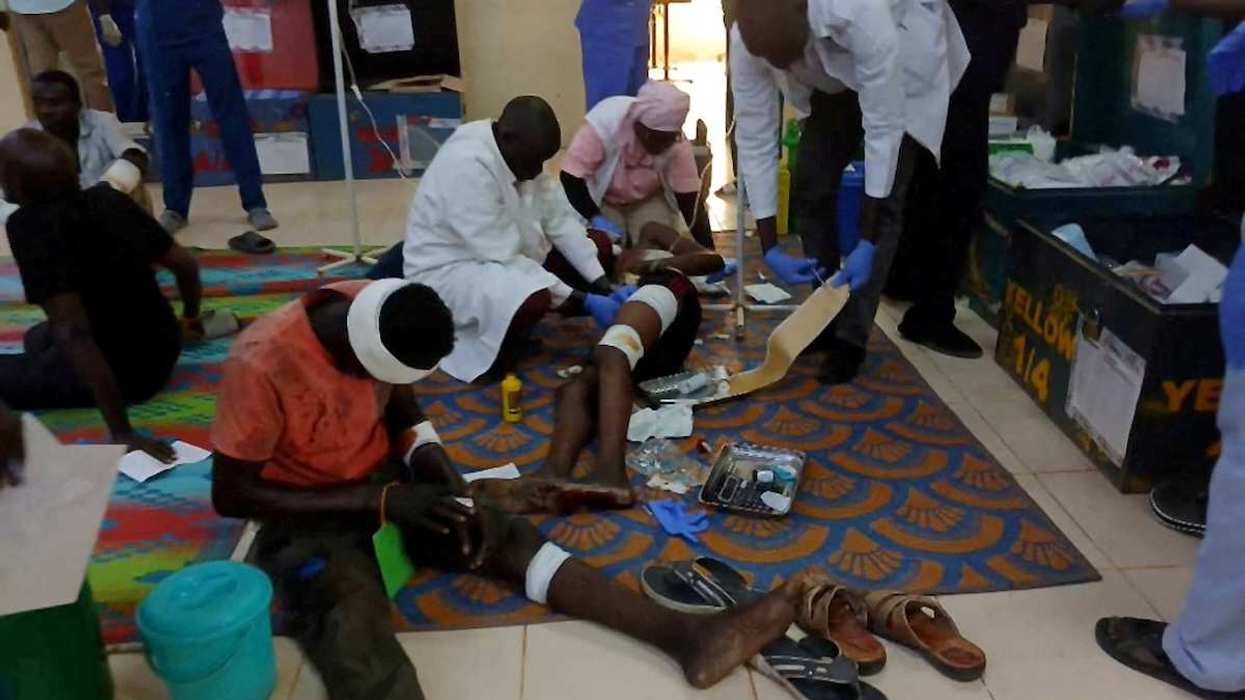
In the past week alone, President Joe Biden ordered strikes against an Iran-backed militia after several US troops were wounded in an attack in Iraq, the US shot down drones and missiles in the Red Sea launched by the Iran-backed Houthis in Yemen, Iran accused Israel of killing a top general in Syria and vowed revenge, and Israel and Hezbollah continued trading fire – prompting Israeli officials to raise the possibility of invading Lebanon.
“We are now at a fork in the road: Either Hezbollah backs off from the Israeli border, in line with UN Resolution 1701, or we will push it away ourselves,” Eylon Levy, an Israeli government spokesperson, said Wednesday.
All of this is part of an escalating tit-for-tat between Iranian proxies, the US, and Israel that is intrinsically linked to the war in Gaza. Iran-backed militias have targeted US troops dozens of times since Oct. 7, while the Houthis have carried out a string of attacks on commercial vessels in the Red Sea. Iran’s proxies have been clear that their recent attacks on US forces, Israel, and other entities in the region are a direct response to the war in Gaza.
Meanwhile, there’s currently little hope for a halt in the fighting in Gaza, even a temporary one, despite global calls for a cease-fire as the death toll rises and the humanitarian crisis in the territory worsens. Egypt in recent days put forward an ambitious peace proposal, but neither Hamas nor Israel appear eager to embrace a lasting truce. Hamas is unwilling to give up control of Gaza and Israel is determined to destroy the militant group. Beyond Gaza, settler violence is increasing in the occupied West Bank.
Experts on the region warn that the worsening situation is a recipe for disaster.
It’s still “hard to predict when these tensions will get out of control and the region is plunged into an abyss,” Randa Slim, senior fellow and director of conflict resolution at the Middle East Institute, tweeted on Tuesday.
“At some point, one of the many parties that are involved in this conflict will miscalculate,” says Slim.