A much-feared humanitarian and economic crisis in Afghanistan has now begun, and the country's Taliban government has issued an urgent appeal for cash. In particular, its foreign minister has called on Washington to help.
After the Taliban seized power in August, the US, World Bank, and International Monetary cut off Afghanistan's access to more than $9.5 billion in foreign reserves and loans. The Taliban want the Biden administration to release this money and to allow the World Bank and IMF, institutions in which Washington wields exceptional influence, to free up loans. So far, the White House has said no.
The crisis
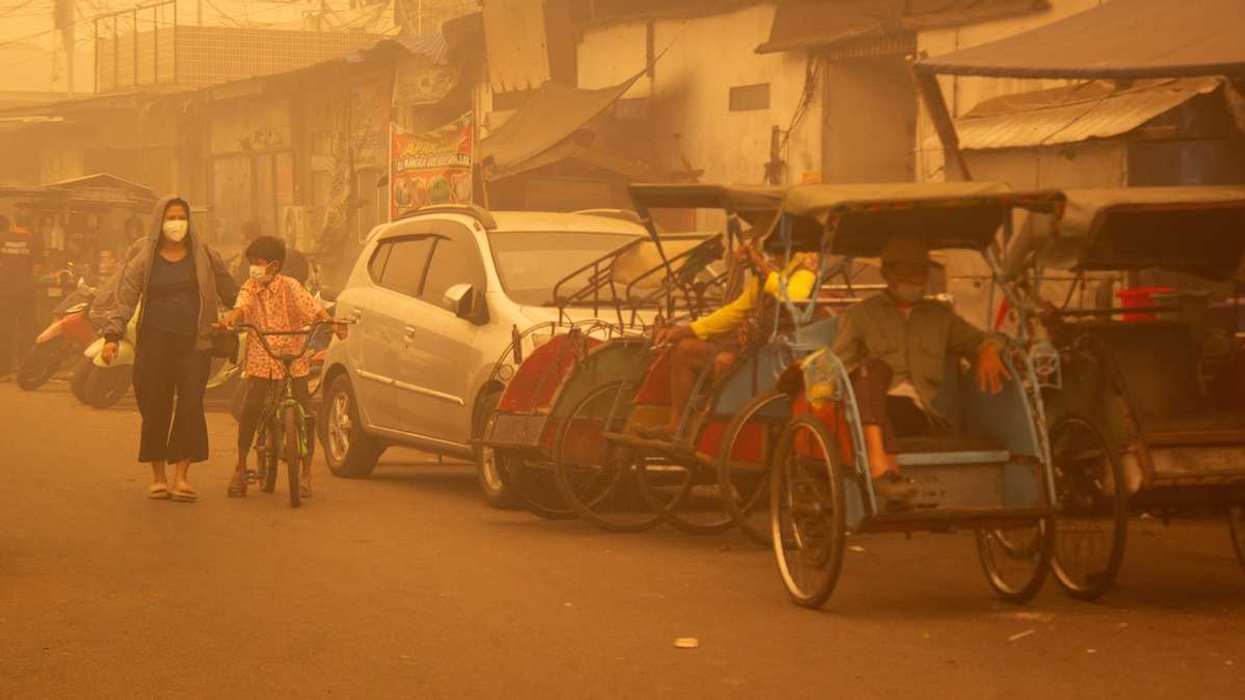
For months, international aid organizations have warned of a brutal winter for Afghanistan. UNICEF estimated this week that 18.4 million Afghans now need humanitarian help, and more than half of those people are children. Millions face the risk of starvation. About 3.5 million have fled their homes.
Afghanistan's economy is on the verge of collapse. Prices, including for food, are skyrocketing, in part because a drought has destroyed about 40 percent of the country's wheat crop.
As the government runs out of money, it can't afford to import the products the country needs. Many workers are going unpaid, and banks, controlled by the Taliban, have set sharp limits on cash withdrawals. The UN estimates that Afghanistan could be on the brink of near-universal poverty by the middle of next year.
China could help by investing in the mining of metals and minerals it wants, but it will carefully weigh the risks and costs before placing big bets on uncertain projects. International aid agencies are helping where they can, but they can contribute mere millions to a country that needs billions.
The Taliban's position
This week, the Taliban's foreign minister addressed an open letter to the US Congress. In it, he acknowledged that Taliban-US relations have "experienced ups and downs" — a tactful reference to their 20-year war — but Afghanistan's problems, he says, "lead back to the freezing of assets of our people by the American government." The minister warned of regional instability if the economic situation grows worse. He implied that if Washington truly cares about human rights, it won't allow Afghans to starve.
The Biden administration's position
Washington insists the Taliban are not the legitimate government of Afghanistan, because they seized power in August by force. It argues that actions of both the previous (1996-2001) and current Taliban governments have provided ample reason to doubt they would spend new money to help Afghanistan's people, or to safeguard their basic rights.
The White House asserts that, through independent humanitarian organizations, the US is providing nearly $144 million in new humanitarian aid to "the people affected by the ongoing humanitarian crisis in Afghanistan." That brings the total US contribution to help Afghans and Afghan refugees in other countries to nearly $474 million for 2021 — "the largest amount of assistance from any nation," says the US government.
In fact, over the past 20 years, US taxpayers have provided more than $140 billion to strengthen Afghanistan and help Afghans.
Eighteen million Afghans
For now, the Taliban and the US government will continue to argue over who is responsible for Afghanistan's problems, and how they can be resolved. International aid organizations will continue to try to help. More than 18 million Afghans can only watch and wait as the temperature drops.