Skip to content
Search

Latest Stories

us history

Ian Explains: The US Supreme Court's history of political influence
Ian Explains

Ian Explains: The US Supreme Court's history of political influence

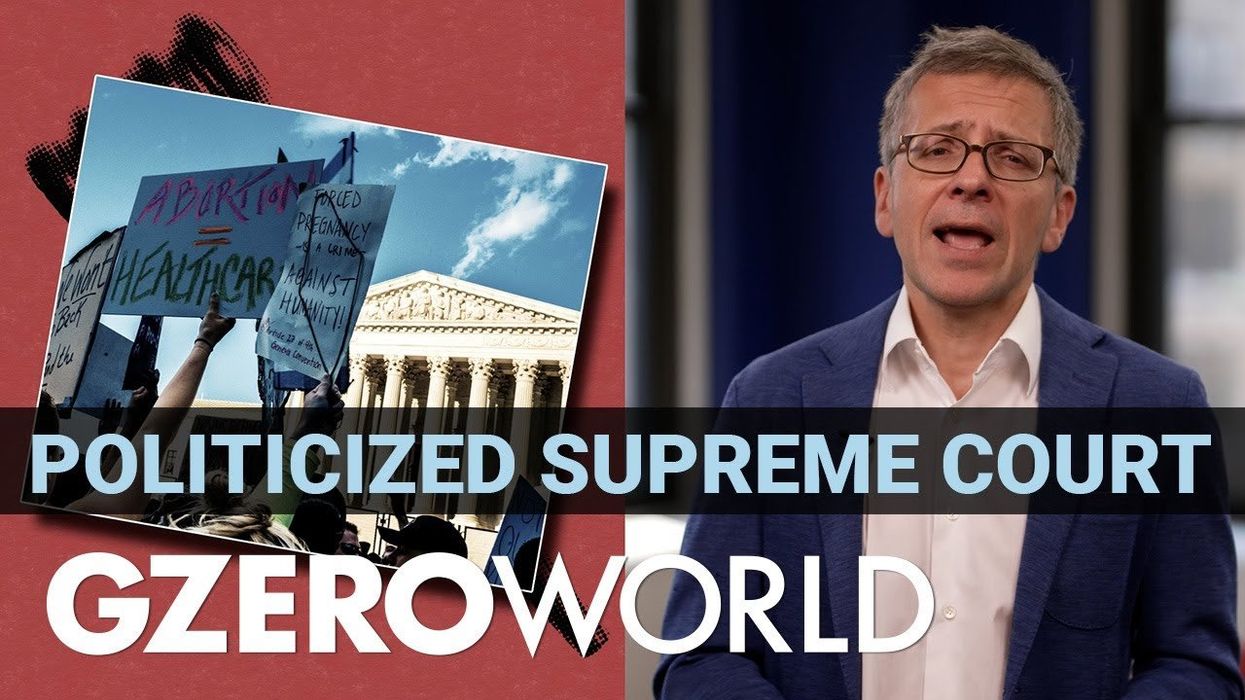
Has the Supreme Court become too politicized? American confidence in the Supreme Court is at an all-time low. Just 25% of US adults have “a great deal” or “quite a lot” of confidence in court, a low in Gallup’s 50 years of polling. This week on Ian Explains, Ian Bremmer looks back at the history of SCOTUS and the idea that justices are supposed to be impartial “umpires” that stay above the fray of politics.

Ian Explains:  Has a US president ever been arrested before Trump?
GZERO World Clips

Ian Explains:  Has a US president ever been arrested before Trump?

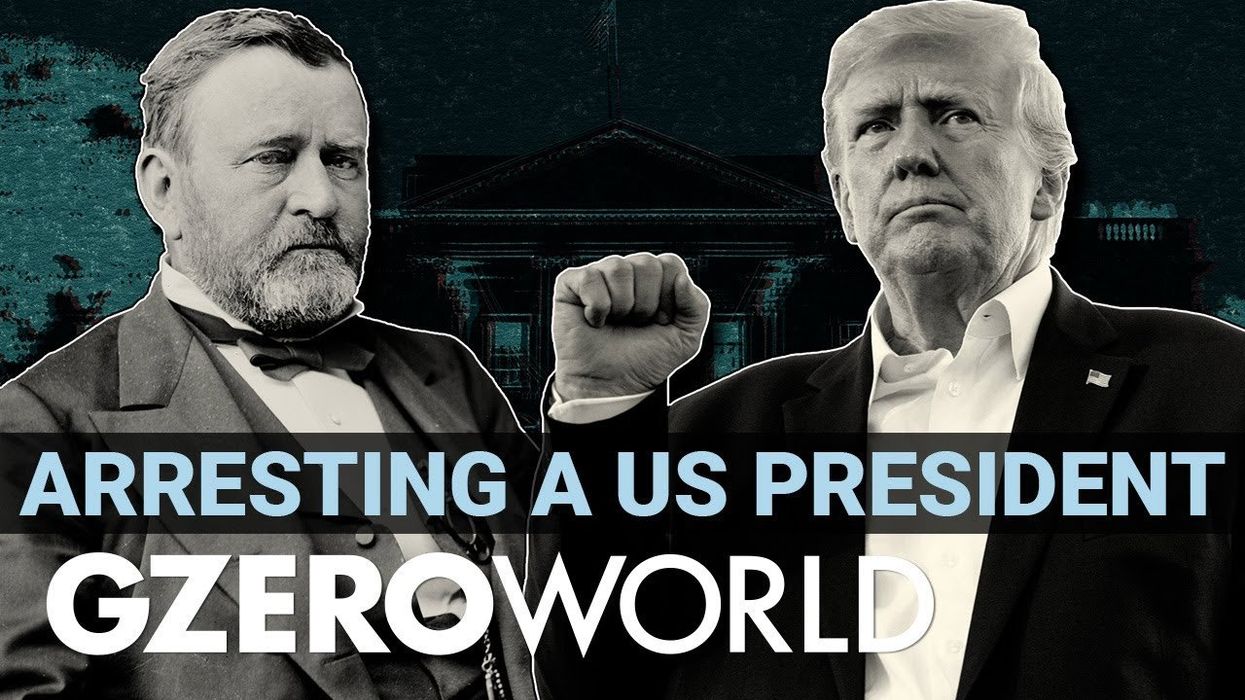
The recent indictment of former President Trump has created an unprecedented legal situation that is polarizing the country. While other US presidents, such as Nixon and Clinton, have faced criminal investigations, no president has been arrested since Ulysses S. Grant, Ian Bremmer explains on GZERO World.

Indictment boosts Trump GOP standing and strengthens Democrats
US Politics In 60 Seconds

Indictment boosts Trump GOP standing and strengthens Democrats

Former President Trump has been indicted. Now what? Jon Lieber, head of Eurasia Group's coverage of political and policy developments in Washington, DC shares his perspective on US politics:

Explaining the long history of US debt (& which other countries are saddled with debt)
GZERO World Clips

Explaining the long history of US debt (& which other countries are saddled with debt)

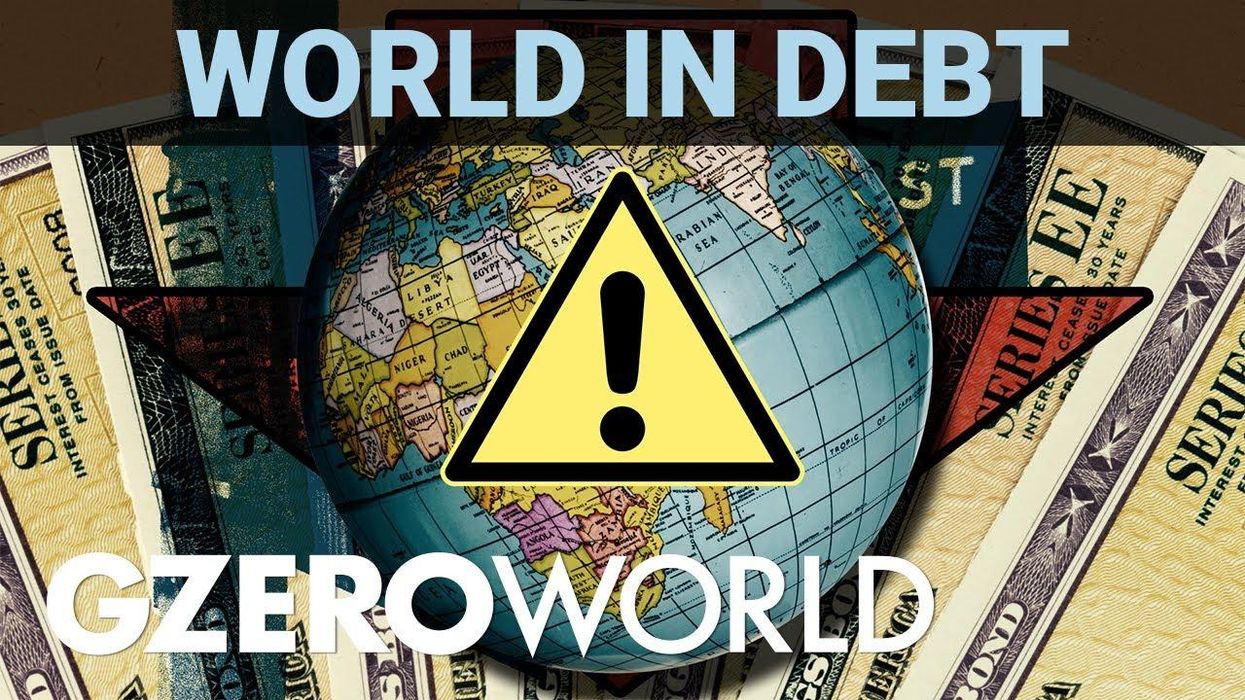
Sovereign debt is, simply put, the money a country owes to its creditors around the world. Ian Bremmer explains a few more fun facts about debt on GZERO World.

The history of Black voting rights in America
GZERO World Clips

The history of Black voting rights in America

Until 1965, Black Americans who wanted to vote first faced faces unanswerable poll questions, and later equally tough literacy tests. The Voting Rights Act banned these and other forms of overt voter suppression. But in 2013, the Supreme Court struck down a key provision of the law, requiring states to get prior federal approval to tweak their voting laws for racial discrimination.

The 1619 Project’s creator Nikole Hannah-Jones discusses its cultural impact
GZERO World Clips

The 1619 Project’s creator Nikole Hannah-Jones discusses its cultural impact

Today, we take a fresh look at US history—and the role Black people have played in it—with a woman who is reshaping that national conversation. When Pulitzer Prize-winning New York Times journalist Nikole Hannah-Jones published the “1619 Project” in 2019, not even she could have predicted its cultural impact. It’s hard to think of another piece of modern journalism that has garnered such praise while also sparking such intense outrage. Now, her new book, The 1619 Project: A New Origin Story, expands upon her initial work. She joins Ian Bremmer for an in-depth look at how she’s trying to reshape US history, and the backlash it has caused.

Nikole Hannah-Jones blames backlash against 1619 Project, CRT on the myth of US "exceptionalism"
GZERO World Clips

Nikole Hannah-Jones blames backlash against 1619 Project, CRT on the myth of US "exceptionalism"

Why is there such a strong conservative reaction to the 1619 Project and critical race theory? For Nikole Hannah-Jones, the New York Times journalist who won a Pulitzer Prize for her work as creator of the 1619 Project, a big part of the problem is that we, "as Americans, are deeply, deeply invested in this mythology of exceptionalism.

Was modern America built on slavery?
GZERO World Clips

Was modern America built on slavery?

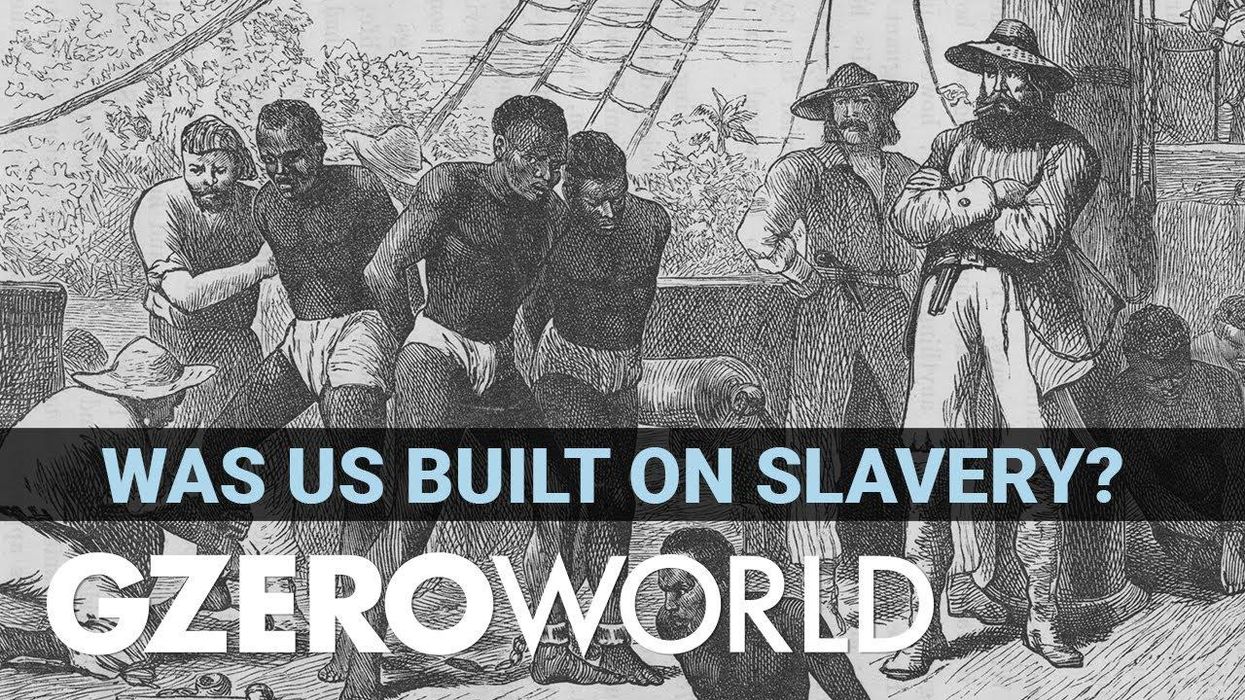
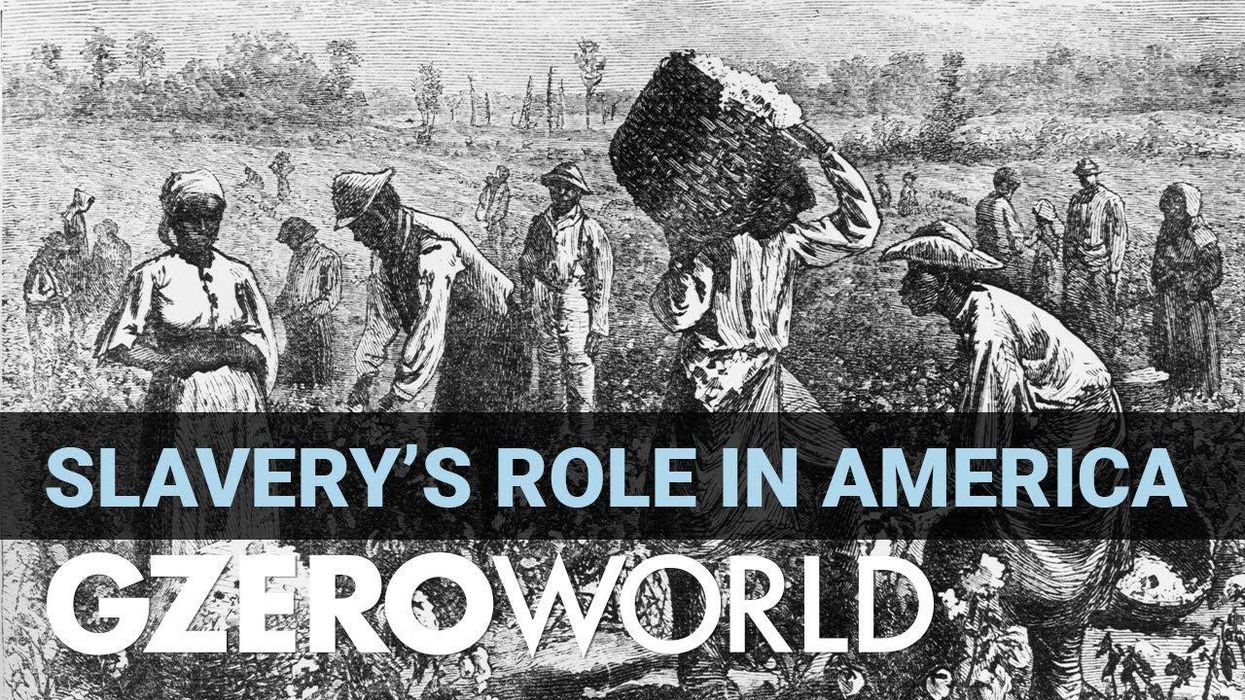
At the start of the Revolutionary War, slaves made up 20 percent of the population in British North America. They later built iconic buildings of US democracy like the Capitol and the White House in Washington. But what if slavery was more than just America’s original sin? What if the institution of slavery itself was foundational to modern America?

Nikole Hannah-Jones: America chose slavery — and benefited from it
GZERO World Clips

Nikole Hannah-Jones: America chose slavery — and benefited from it

Many people today still think US slavery was only prevalent in the South. They are wrong, says Nikole Hannah-Jones. All 13 colonies had slaves upon America's independence. It's not just that the Founding Fathers were slave-owners, which we all know. Slave labor, the Pulitzer Prize-winning New York Times journalist points out, powered the US Industrial Revolution by producing cheap cotton for textiles.

Why do Black people feel "erased" from American history?
GZERO World Clips

Why do Black people feel "erased" from American history?

Growing up, New York Times journalist Nikole Hannah-Jones only learned a little about the plight of Black people in America during Black History Month. The Pulitzer Prize-winning creator of the 1619 Project studied some usual suspects such as Harriet Tubman or Frederick Douglass, and then discussed slavery to cover the Civil War. But then Black people like herself, she says, vanish from the narrative until the civil rights movement.