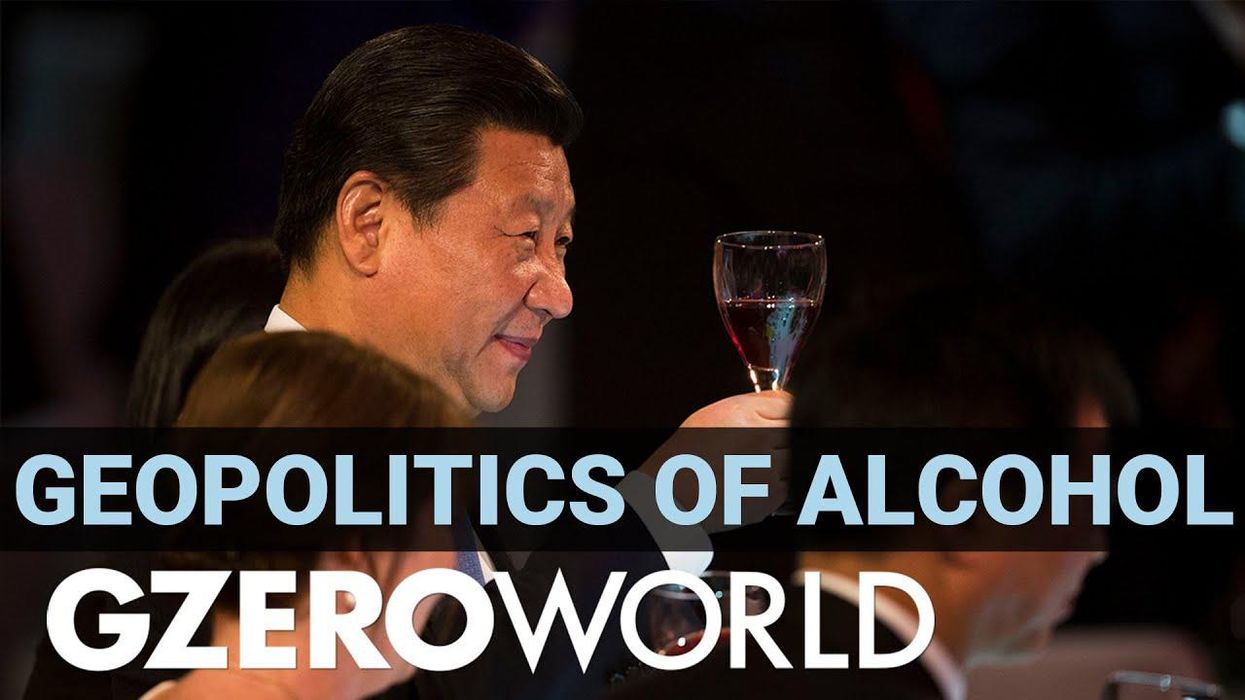
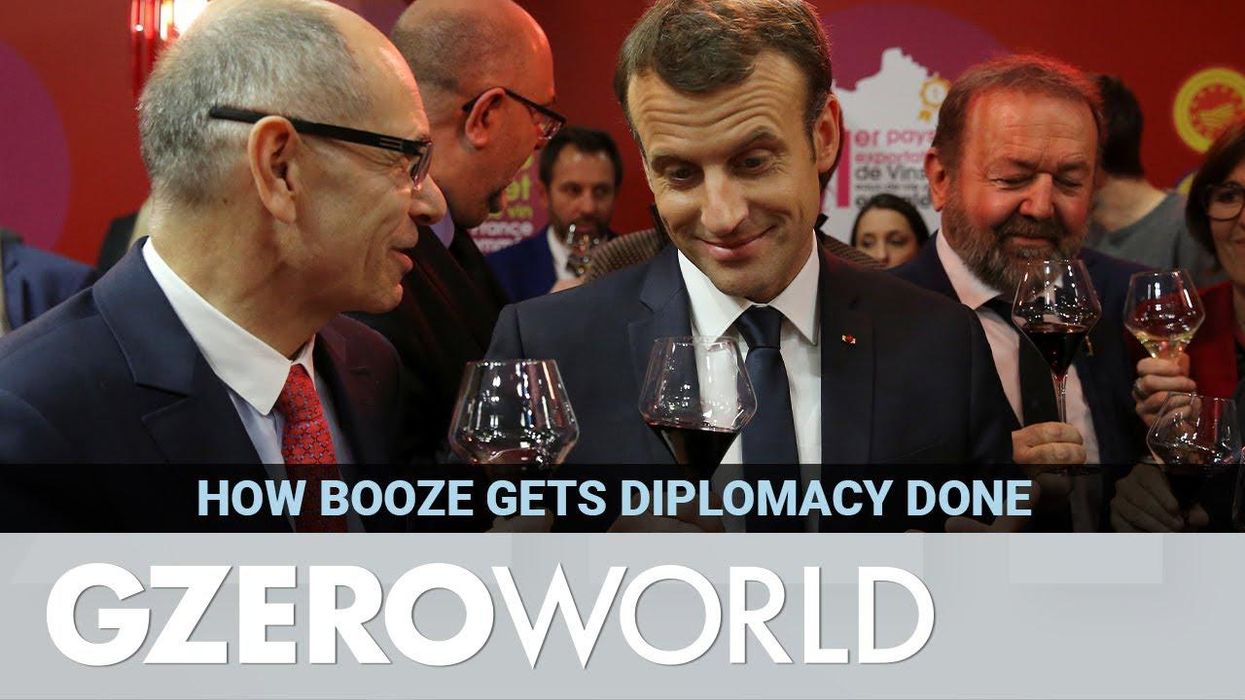
On GZERO World, Ian Bremmer takes a look at the yin and the yang of alcohol's role in high-level diplomacy and society at large. Alcohol can bring people together just as easily as it can tear them apart. From a 1995 Clinton/Yeltsin Summit where a drunk Yeltsin almost derailed Bosnian peace talks, to Obama's Beer Summit and the recent G7 Summit, booze plays a part in how world leaders interact.
University of British Colombia professor Edward Slingerland says drinking makes us feel good and has historically encouraged socializing. But there are negative implications, as well: pandemic drinking and the "bro culture" associated with alcohol can exclude and even be dangerous for women.
Did beer come before bread? Perhaps, says University of British Colombia professor Edward Slingerland, who credits alcohol with spurring humankind's first agricultural revolution thousands of years ago.
Alcohol. It's a dangerous drug that has ruined countless lives and derailed many a global summit. But it's also humanity's oldest social lubricant, a magical elixir that can fuel diplomatic breakthroughs, well into the wee hours of the night. As Winston Churchill once quipped, "I've taken more out of alcohol than alcohol has taken out of me." On GZERO World, we take a deep dive down the bottle and examine the role alcohol has played in society, politics, and global summitry—from the earliest hunter-gatherer days to that memorable Obama Beer Summit in 2009. Joining Ian Bremmer is philosopher Edward Slingerland, whose new book Drunk: How We Sipped, Danced, and Stumbled Our Way Into Civilization makes a compelling, if nuanced, case for alcohol's place in the world.
Why do (most) world leaders drink together? It can get them to agree on stuff they wouldn't while sober. Booze "helps people get cooperation off the ground, especially in situations where cooperation is challenging," says University of British Colombia professor Edward Slingerland. Alcohol, he explains, allows you to "see commonalities rather than just pursuing your own interest," which may put teetotaler politicians — like Donald Trump — at a disadvantage. Watch his interview on the next episode of GZERO World. Check local listings to watch on US public television.
